 Preview
 Send
Send Share
Share
 Details

 Download
 Similars
 X-Ray
X-Ray Diaporama
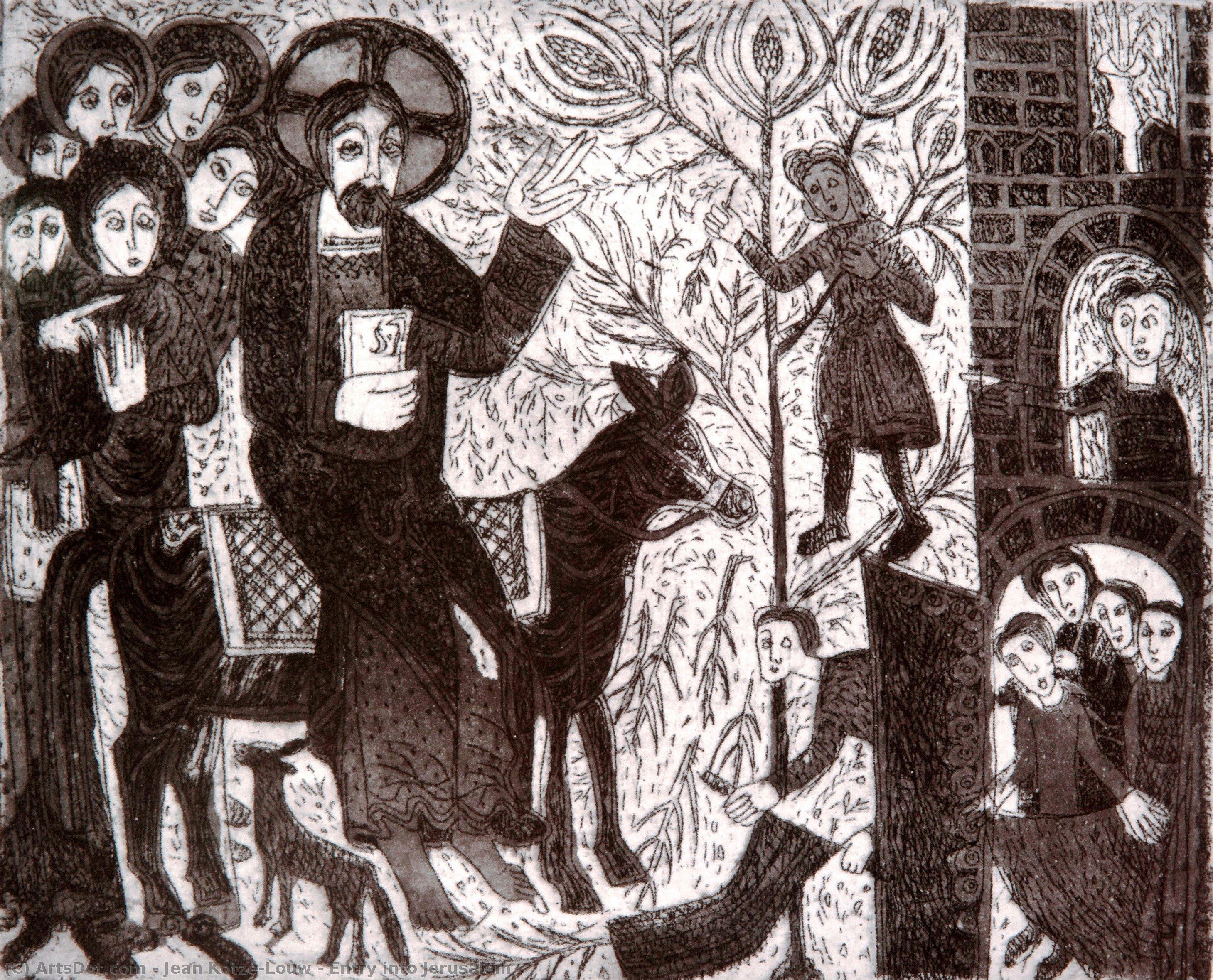
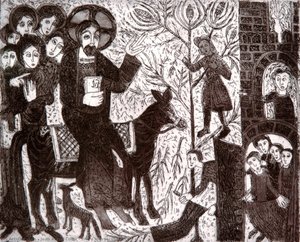
Entry into Jerusalem
 1889
1889 16.0 x 19.0 cm
 University of Pretoria Museums
 Read More
Giclée / Art Print
Museum-quality giclée or canvas print with fast production and flexible finish options. ( Buy Hand Made Painting Buy Image)




































Pick from our preset sizes that match the artwork's original proportions.

You may enter your own dimensions to fit a specific frame or space. If your selected size does not match the original image's proportions, we will either crop the artwork or extend the image with a mirrored or solid-fill edge. A digital mockup will be sent for your approval before production begins.
Please note that the on-screen preview does not reflect the actual cropping or extension. Only the mockup will accurately show the final composition.
While custom sizes are available, we recommend selecting a dimension from the predefined list to preserve the original proportions.
Worldwide Delivery () in 2 weeks instead of standard 4/5 weeks. (7 September)

Free Worldwide Express Shipping

High-Quality Linen Canvas

Full Shipping Insurance

Customs Tax Refund Guarantee

True Color Matching Guarantee

100-Day Return Policy (Defects Only)

100% Money-Back Guarantee

Bulk Discount Offer
 Glass option is only available in size under 110 CM

Entry into Jerusalem
Giclée / Art Print
Reproduction Size
-


Total Price
$ 63
Related Artworks






Artist Biography
The Soul in the Line: The Artistry of Jean Kotzé-Louw
Born in 1957 amidst the vast and evocative landscapes of Windhoek, Namibia, Jean Kotzé-Libw has dedicated her creative life to exploring the profound intersections of spirituality and the human condition. Her journey into the depths of visual expression began in her youth, eventually leading her to formal studies in Fine Arts at the University of Namibia. It was during this formative period that she discovered the meticulous and demanding world of printmaking, a medium that would become the primary vessel for her introspective explorations. Through the disciplined application of drypoint, Kotzé-Louw has mastered the ability to translate ephemeral spiritual concepts into tangible, striking imagery.
The essence of Kotzé-Louw’s technique lies in the physical act of incision. Using a sharp, pointed needle to scratch directly into metal plates, she creates a texture that allows for a unique depth of line and a velvety richness of ink. This method, while labor-intensive, provides her with the precision necessary to weave complex narratives through bold lines and vibrant colors. Her compositions are rarely mere depictions of reality; instead, they serve as windows into the unknown. Often featuring herself or central figures surrounded by an intricate tapestry of symbols and motifs, her work invites the viewer to contemplate the mysteries of existence and the unseen forces that shape our lives.
Influences and Artistic Lineage
The visual language of Kotzé-Louw is a rich tapestry woven from diverse artistic threads. Her work resonates with the stylistic echoes of artists such as George Constant and Józef Mehoffer, blending structural strength with decorative complexity. Furthermore, her mastery of the drypoint medium finds a spiritual kinship with the legendary Namibian artist John Muafangejo, whose iconic woodcut prints redefined African printmaking. This connection to local masters highlights her role in the broader continuum of Southern African art history.
Beyond her immediate surroundings, Kotzé-Louw draws inspiration from a global palette of influences:
- John Wood Dodge: Whose watercolor mastery and atmospheric qualities inform her sense of light and space.
- Spiritual Symbolism: The use of motifs that transcend language to communicate universal truths about the human experience.
- The Intimacy of Printmaking: A commitment to the tactile, physical process of creating art that leaves a permanent mark on the medium.
Legacy and Recognition
Throughout her career, Jean Kotzé-Louw has been a significant presence in the Namibian and South African art scenes. Her exhibitions have graced numerous galleries, bringing her evocative explorations of the soul to a wide audience. The historical significance of her work is cemented by its inclusion in prestigious collections, most notably within the Smithsonian American Art Museum, where her ability to capture complex, layered compositions—such as those seen in works like The Night Obscure—is preserved for future generations.
Her contribution to the world of printmaking remains a testament to the power of the etched line. By merging the ruggedness of the drypoint technique with a delicate, spiritual sensitivity, Kotzé-Louw has created a body of work that continues to resonate with anyone seeking to understand the deeper, often obscured, layers of our shared humanity.
jean kotzé-louw
1957 - , Namibia
Quick Facts
- Artistic Movement Or Style: Drypoint printmaking
- Artists Who Influenced This Artist:
- George Constant
- Józef Mehoffer
- John Wood Dodge
- Date Of Birth: 1957
- Full Name: Jean Kotzé-Louw
- Nationality: Namibian
- Notable Artworks: ['The Night Obscure']
- Place Of Birth: Windhoek, Namibia