

 Preview
 Send
Send Share
Share
 Details

 Download
 Similars
 X-Ray
X-Ray Diaporama
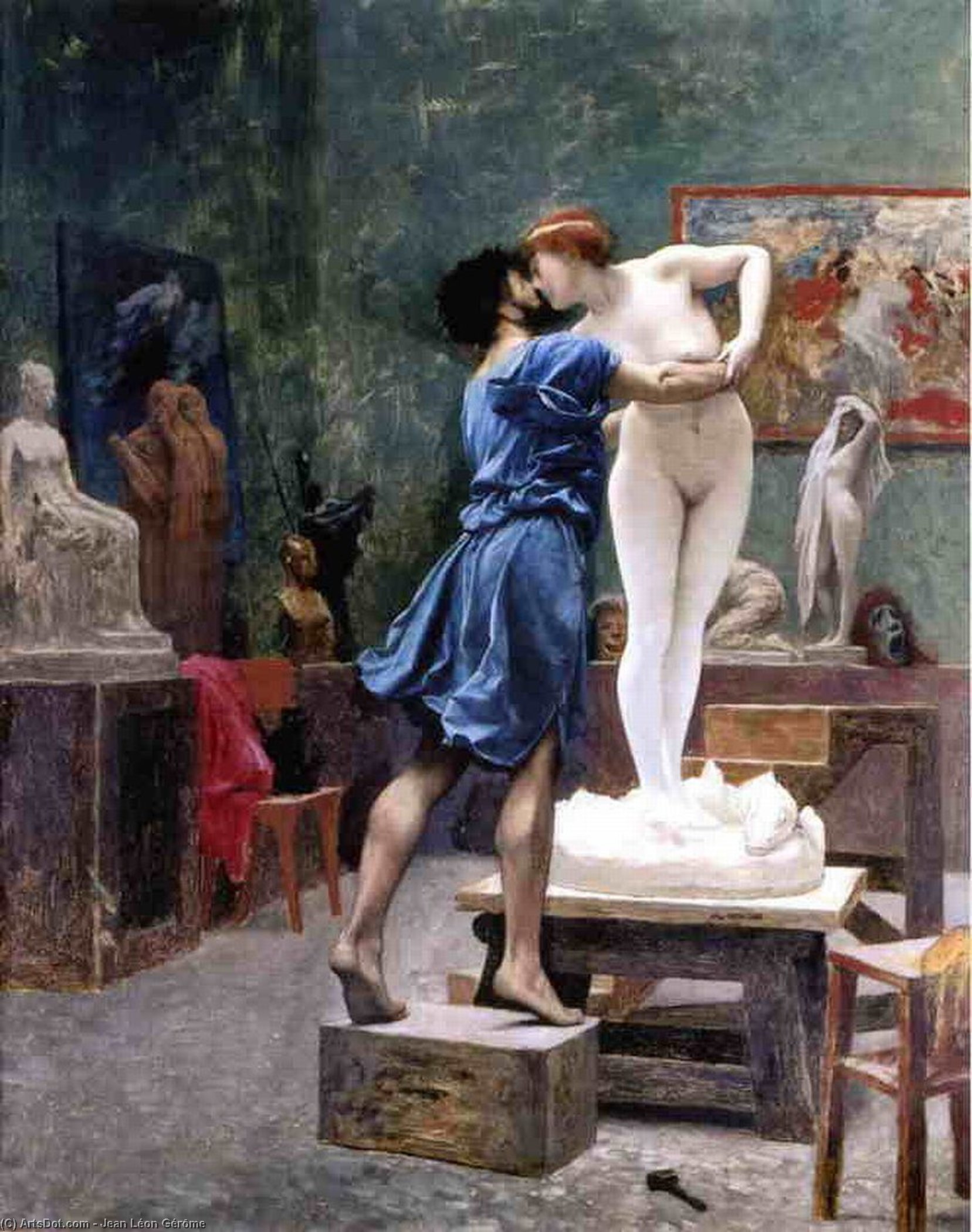
Pygmalion and Galatea (study)


 Read More
Purchase a high-resolution, enhanced digital image, far superior to the online preview.
Each file is meticulously prepared by our in-house specialists using advanced tools and expert manual retouching. We ensure every image has exceptional clarity, precise color accuracy, and fine detail.
The final file is delivered via email within 72 hours, optimized for immediate use in professional, editorial, and print environments. This is the same quality trusted by top-tier design studios, publishers, and galleries.
Digital Image
Download a high-resolution file for personal display, printing, and creative projects. ( Buy Print Buy Hand Made Painting)
Included in Every Digital Image Order
Expert Digital Delivery, Guaranteed
When you choose ArtsDot.com, you're not just getting an image - you're receiving a professionally enhanced digital artwork, crafted with precision and backed by a satisfaction guarantee. Here's everything that comes with your order, automatically:

Fast Email Delivery
Your high-resolution digital image file will be emailed to you within 72 hours of ordering - ready for immediate use.

AI-Enhanced Digital File
Your artwork is professionally optimized using advanced AI tools and manual editing, ensuring maximum detail, clarity, and color accuracy.

Free Lifetime Re-Delivery
Accidentally deleted or lost your file? No worries - we'll resend it to you anytime, free of charge.

No Import Fees - Ever
Enjoy your artwork instantly with zero customs, duties, or delivery fees - digital downloads are always tax-free.

Color Accuracy Guarantee
We ensure your digital image reflects the original colors as closely as possible using professional tools and color management.

60-Day Satisfaction Guarantee
If you're not satisfied with your digital image, we'll revise it or refund 100% within 60 days - no questions asked.

100% Money-Back Guarantee
Not satisfied? Get a full refund within 60 days of receiving your digital file - no questions asked.

Bulk Order Discounts
Buy 3 images, save 10% - Buy 5, save 15% - Buy 10+, save 20%. Great for creative projects, galleries, and agencies.
Collectible Description
A Moment Frozen in Marble and Desire: Jean-Léon Gérôme’s *Pygmalion and Galatea (Study)*
Jean-Léon Gérôme's *Pygmalion and Galatea (Study)*, painted in 1890, isn’t merely a depiction of a classical myth; it’s an exquisitely rendered tableau of longing, creation, and the potent magic of transformation. This intimate study, measuring a modest 94 x 74 cm, offers a rare glimpse into Gérôme's meticulous process – a testament to his dedication to capturing not just the likeness of figures but also the very essence of their emotions. The painting immediately draws the viewer in with its carefully orchestrated composition: a man, presumably Pygmalion himself, kneeling before a statue of Galatea, poised on a simple stool, and initiating a tender kiss. The scene unfolds within a studio setting, subtly suggesting the artist’s own fascination with the act of artistic creation and the blurring lines between reality and imagination.
The Narrative of Myth and Mastery
The story behind *Pygmalion and Galatea* is one of enduring appeal – a tale of a sculptor who, captivated by his own artistry, breathes life into a marble figure. Gérôme masterfully translates this narrative onto canvas, capturing the pivotal moment when Galatea awakens to Pygmalion’s touch. The painting avoids grand theatricality, instead favoring a quiet intimacy that underscores the profound emotional shift occurring within the scene. Gérôme's skill lies not just in his ability to accurately portray the human form – evident in the delicate musculature of Pygmalion and the graceful curve of Galatea’s pose – but also in his capacity to imbue these figures with a palpable sense of vulnerability and nascent joy. The inclusion of the simple chair and table, along with the vase, adds layers of realism and anchors the fantastical narrative within a believable domestic setting.
Technique and the Language of Detail
Gérôme was renowned for his painstaking attention to detail, a hallmark of the academic style he championed. *Pygmalion and Galatea (Study)* exemplifies this approach perfectly. Executed in oil on canvas, the painting boasts a rich, textured surface achieved through countless layers of glazing – a technique that allows Gérôme to build up subtle gradations of light and shadow, creating an astonishingly lifelike effect. Observe how he renders the marble statue itself; it’s not simply painted white but infused with veins and imperfections, suggesting its inherent materiality while simultaneously hinting at its potential for animation. The careful placement of folds in fabric, the sheen on Galatea's skin, and the subtle play of light across Pygmalion’s face all contribute to a remarkable sense of realism that belies the mythological subject matter. The use of warm earth tones – ochres, browns, and reds – further enhances the painting’s depth and richness.
Symbolism and Emotional Resonance
Beyond its narrative power, *Pygmalion and Galatea (Study)* is rich in symbolic meaning. The statue represents not just a creation but also the artist's own idealized vision – a projection of his desires and aspirations. The kiss itself symbolizes the merging of creator and creation, the transcendence of earthly limitations, and the birth of something new. The setting within a studio subtly elevates the work beyond a simple mythological scene; it speaks to the very process of artistic endeavor, highlighting the transformative power of imagination. Ultimately, Gérôme’s painting resonates with viewers on an emotional level, evoking feelings of wonder, longing, and the enduring human fascination with beauty, creation, and the possibility of bringing dreams to life.
A hand-painted reproduction of *Pygmalion and Galatea (Study)* offers a stunning opportunity to bring this captivating artwork into your home or office. Its rich detail and evocative imagery will serve as a constant reminder of the power of art to inspire, move, and transform our understanding of the world.
Related Artworks

Artist Biography
A Master of Narrative Detail: The Life and Art of Jean-Léon Gérôme
Jean-Léon Gérôme, a name synonymous with the academic painting of 19th-century France, was more than just a skilled technician; he was a storyteller who captivated audiences with meticulously rendered scenes brimming with drama and exotic allure. Born in Vesoul in 1824, his artistic journey began under the guidance of local artist Claude-Basile Cariage, laying the foundation for a career that would see him become arguably the most celebrated painter of his time. Moving to Paris at sixteen, he initially studied under Paul Delaroche, a master of historical painting, and later attended the École des Beaux-Arts, absorbing the principles of classical training. However, Gérôme quickly distinguished himself not through slavish imitation but through an innovative blend of meticulous realism and dramatic narrative—a combination that would define his unique style. His early success with *The Cock Fight* in 1847 catapulted him to fame, establishing him as a leading figure within the Neo-Grec movement, which sought to revive classical themes with a newfound attention to archaeological detail.From Historical Grandeur to Orientalist Visions
Gérôme’s artistic range was remarkably broad. He tackled historical subjects with an almost cinematic flair, imbuing them with a sense of immediacy and psychological depth. His large-scale mural commission, *The Age of Augustus, the Birth of Christ*, intended as a flattering allegory for Napoleon III, showcased his ability to handle complex compositions and grand narratives. Yet, it was perhaps in his Orientalist paintings that Gérôme truly captured the public imagination. Inspired by travels to Turkey, Egypt, and North Africa, he depicted scenes of harems, bustling marketplaces, and desert landscapes with an exoticism that both fascinated and, viewed through a modern lens, sometimes perpetuated problematic stereotypes. Paintings like *Harem Women Feeding Pigeons in a Courtyard* became immensely popular, offering European audiences a glimpse into a world perceived as mysterious and sensual. These works weren’t simply copies of what he saw; they were carefully constructed fantasies, blending observation with imagination to create compelling visual narratives. He wasn't merely documenting the Orient; he was *creating* it for Western consumption, a practice that would later draw criticism but undeniably contributed to his widespread appeal.A Pedagogue and Influential Teacher
Beyond his own artistic output, Gérôme exerted considerable influence as a teacher at the École des Beaux-Arts. His atelier became a breeding ground for future generations of artists, attracting students from across Europe and America. Among his most notable pupils were Thomas Eakins, John Singer Sargent, and Mary Cassatt—artists who would go on to forge their own distinct paths but whose foundations were undoubtedly shaped by Gérôme’s rigorous training and emphasis on technical skill. He instilled in them a dedication to draftsmanship, composition, and the importance of studying from life. While his conservative artistic views sometimes clashed with the emerging avant-garde movements, his impact on the development of American art, in particular, was profound. His students carried his principles back across the Atlantic, establishing their own ateliers and perpetuating the academic tradition.Legacy and Controversy: A Complex Artistic Inheritance
Jean-Léon Gérôme died in Paris in 1904, leaving behind a vast body of work that continues to provoke discussion and debate. While his technical mastery is undeniable, his artistic legacy remains complex. His meticulous realism, once celebrated as the pinnacle of academic achievement, came to be seen by some as stifling and overly concerned with surface appearances. The Orientalist paintings, while visually stunning, have been criticized for their exoticizing gaze and perpetuation of colonial stereotypes. However, it is crucial to understand Gérôme within his historical context. He was a product of his time, reflecting the prevailing attitudes and interests of 19th-century European society. His work offers valuable insights into the cultural anxieties and fantasies of that era, even as it challenges us to critically examine its underlying assumptions. Today, Gérôme’s paintings are admired not only for their technical brilliance but also for their ability to transport viewers to another time and place, inviting them to contemplate the complexities of history, culture, and representation.Key Moments in a Remarkable Career
- 1824: Born in Vesoul, France.
- 1840: Moves to Paris to study under Paul Delaroche.
- 1847: Achieves early recognition with *The Cock Fight* at the Paris Salon.
- 1852-1854: Receives commission for *The Age of Augustus, the Birth of Christ* and travels to Constantinople, Greece, and Turkey.
- Late Career: Transitions to sculpture, creating polychrome works inspired by classical antiquity.
- 1904: Dies in Paris, leaving behind a significant artistic legacy.
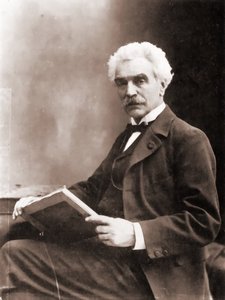
Jean-Léon Gérôme
1824 - 1904 , France
Quick Facts
- Artistic Movement Or Style: Academicism, Orientalism
- Artists Or Movements Influenced By This Artist:
- Thomas Eakins
- John Singer Sargent
- Mary Cassatt
- Artists Who Influenced This Artist: ['Paul Delaroche']
- Date Of Birth: May 11, 1824
- Date Of Death: January 10, 1904
- Full Name: Jean-Léon Gérôme
- Nationality: French
- Notable Artworks:
- The Cock Fight
- Pollice Verso
- Snake Charmer
- Place Of Birth: Vesoul, France

