

 Preview
 Send
Send Share
Share
 Details

 Download
 Similars
 X-Ray
X-Ray Diaporama
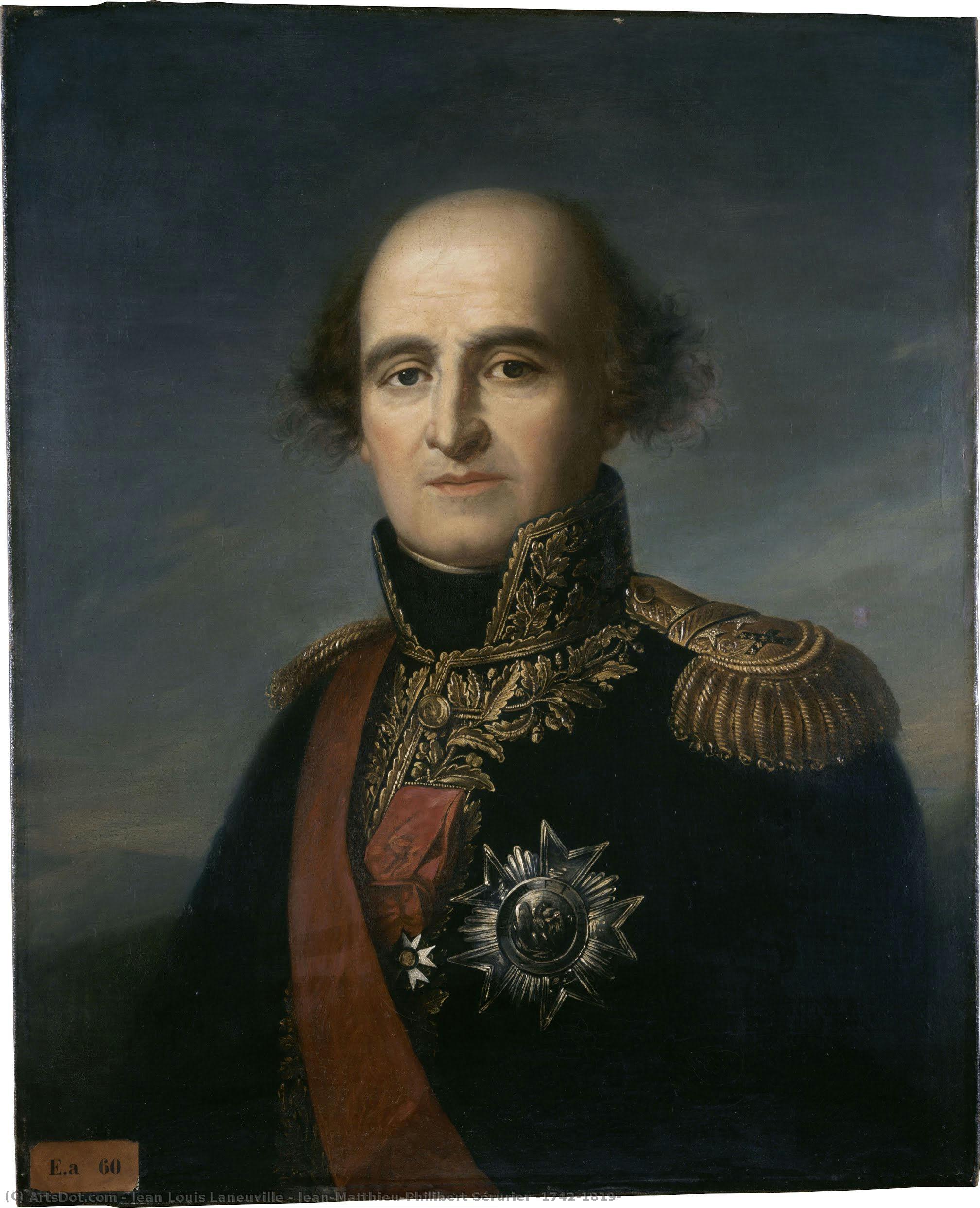
Jean-Matthieu-Philibert Sérurier (1742–1819)


 Read More
Purchase a high-resolution, enhanced digital image, far superior to the online preview.
Each file is meticulously prepared by our in-house specialists using advanced tools and expert manual retouching. We ensure every image has exceptional clarity, precise color accuracy, and fine detail.
The final file is delivered via email within 72 hours, optimized for immediate use in professional, editorial, and print environments. This is the same quality trusted by top-tier design studios, publishers, and galleries.
Digital Image
Download a high-resolution file for personal display, printing, and creative projects. ( Buy Print Buy Hand Made Painting)
Included in Every Digital Image Order
Expert Digital Delivery, Guaranteed
When you choose ArtsDot.com, you're not just getting an image - you're receiving a professionally enhanced digital artwork, crafted with precision and backed by a satisfaction guarantee. Here's everything that comes with your order, automatically:

Fast Email Delivery
Your high-resolution digital image file will be emailed to you within 72 hours of ordering - ready for immediate use.

AI-Enhanced Digital File
Your artwork is professionally optimized using advanced AI tools and manual editing, ensuring maximum detail, clarity, and color accuracy.

Free Lifetime Re-Delivery
Accidentally deleted or lost your file? No worries - we'll resend it to you anytime, free of charge.

No Import Fees - Ever
Enjoy your artwork instantly with zero customs, duties, or delivery fees - digital downloads are always tax-free.

Color Accuracy Guarantee
We ensure your digital image reflects the original colors as closely as possible using professional tools and color management.

60-Day Satisfaction Guarantee
If you're not satisfied with your digital image, we'll revise it or refund 100% within 60 days - no questions asked.

100% Money-Back Guarantee
Not satisfied? Get a full refund within 60 days of receiving your digital file - no questions asked.

Bulk Order Discounts
Buy 3 images, save 10% - Buy 5, save 15% - Buy 10+, save 20%. Great for creative projects, galleries, and agencies.
A Gaze Through Time: The Commanding Presence of Sérurier
In the quiet halls of the Musée de l'Armée in Paris, there exists a portrait that does more than merely depict a man; it captures the very essence of Napoleonic-era gravity. Jean-Matthally-Philibert Sérurier, as rendered by the skilled hand of Jean Louis Laneuville in 1834, stands as a profound testament to military discipline and the enduring weight of history. The subject, a man whose life spanned the transformative decades of the late 18th and early 19th centuries, stares directly at the viewer with an unwavering, stern gaze. This psychological depth is what draws the contemporary observer in, creating an immediate, almost confrontational connection that transcends the centuries separating us from his era.
The painting serves as a masterclass in Neoclassical portraiture, a style deeply rooted in the lineage of Laneuville’s mentor, the legendary Jacques-Louis David. Every brushstroke is calculated to convey authority. The artist utilizes a rich, somber palette, allowing the textures of the military regalia to speak for themselves. We see the heavy, dark fabric of his coat contrasted sharply against the vibrant, symbolic red sash draped around his neck—a mark of distinction and high rank. The subtle play of light across his balding forehead and the meticulous rendering of his neatly combed hair suggest a man of order, precision, and unyielding character.
The Artistry of Detail and Historical Resonance
For the discerning collector or interior designer, this piece offers more than just aesthetic beauty; it offers a narrative of prestige. Laneuville’s technique excels in the subtle interplay between light and shadow, often referred to as chiaroscuro, which lends a three-dimensional sculptural quality to Sérurier’s features. The gold-colored accents of his headwear catch the light, providing a focal point that draws the eye upward, emphasizing the subject's stature. This level of detail is what makes a high-quality reproduction of this work so captivating for a sophisticated living space or a formal study.
Beyond the technical prowess, there is an emotional resonance found in the stillness of the composition. There is no movement here, only the heavy, silent presence of a veteran of the Revolution and the Empire. To hang such a piece is to invite a sense of historical continuity and intellectual rigor into a room. It acts as an anchor, providing a focal point of strength and stability. Whether placed in a gallery-style hallway or as a centerpiece in a library, this portrait evokes a sense of timelessness, reminding us of the individuals whose lives were forged in the fires of great historical shifts.
For those seeking to curate an environment of classical elegance, this reproduction offers an unparalleled opportunity. It is not merely a decoration but a window into the soul of 19th-century France, capturing the dignity of a man who lived through the birth of a new world order. Through Laneuville's eyes, we do not just see a general; we feel the weight of his command and the solemnity of his legacy.
Related Artworks
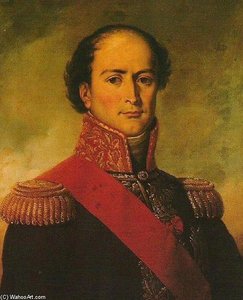
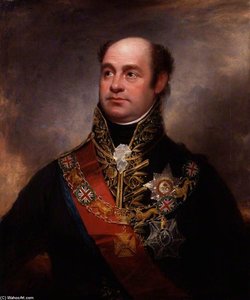
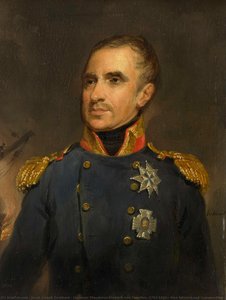
Artist Biography
Jean-Louis Laneuville (1756 – 1826): A Portraitist of Revolution
Jean-Louis Titon La Neuville, commonly known as Jean-Louis Laneuville, was a French painter, art dealer, and connoisseur whose artistic output coincided with the tumultuous period of the French Revolution. Born in Paris in 1756, he emerged from humble beginnings—the illegitimate son of Pierre Titon, a prominent parliamentarian involved in the infamous Diamond Necklace Affair—to become one of the era’s most respected portraitists, mirroring the stylistic sensibilities of his influential teacher, Jacques-Louis David.- Early Life and Training: Little is known about Laneuville's formative years. He received instruction from David, a contemporary whose neoclassical style profoundly impacted Laneuville’s artistic vision. Exhibiting at the Salon of 1783–89 solidified his position within Parisian art circles and established him as a student of David’s meticulous attention to detail and psychological realism.
- The Revolutionary Period: The French Revolution dramatically reshaped Laneuville's artistic trajectory and professional life. Recognizing the potential for patronage amongst the revolutionary elite, he strategically targeted figures like Bertrand Barère de Vieuzac and Pierre-François-Joseph Robert, securing commissions that reflected the political fervor of the time. His portraits captured not only physical likeness but also conveyed an understanding of his subjects’ inner lives—a hallmark of David's approach.
- Style and Technique: Laneuville’s distinctive style was characterized by monochromatic backgrounds, often muted browns or grays, which served to heighten the drama of the sitter’s pose and expression. He employed a technique known as sfumato—a subtle blending of tones—to achieve an ethereal quality reminiscent of David's work, emphasizing psychological insight and capturing fleeting emotions.
- Notable Commissions and Achievements: Among his most celebrated portraits were depictions of prominent revolutionaries like Barère de Vieuzac (1792–3), Robert and Delaunay (1793), and Jules-François Paré (1795). These works stand as testament to Laneuville’s ability to distill the essence of his subjects into compelling visual representations. Furthermore, he served as a judge of the Prix d'Encouragement in 1791 and signed a petition defending the acquisition of looted artworks during Napoleon’s reign—demonstrating his engagement with intellectual and cultural debates of the era.
- Legacy: Unlike David, who faced exile under Louis XVIII after the Bourbon Restoration, Laneuville continued to exhibit at the Salon until 1817. His enduring reputation rests on his masterful portraits that encapsulate the spirit of a transformative period in French history—a legacy firmly rooted in the stylistic influence of Jacques-Louis David and marked by an unwavering dedication to capturing psychological nuance.
Influences and Artistic Connections
Laneuville’s artistic development was undeniably shaped by his association with Jacques-Louis David. David's neoclassical aesthetic—characterized by clarity, restraint, and idealized forms—provided Laneuville with a foundational framework for portraying human subjects. The meticulous observation of anatomy and the subtle manipulation of light and shadow—techniques perfected by David—became integral to Laneuville’s artistic practice.Selected Works
Laneuville produced an impressive oeuvre encompassing portraits of dignitaries, intellectuals, and artists. Notable examples include:- Bertrand Barère de Vieuzac (1792–3)
- Pierre-François-Joseph Robert and Joseph Delaunay (1793)
- Jules-François Paré (1795)
- Theresa Tallien portrait
Museum Collections
Laneuville’s artworks are housed in several museums across Europe, including Kunsthalle Bremen and Carnavalet Museum. These institutions offer visitors the opportunity to appreciate his contribution to Neoclassical painting and gain insight into the artistic milieu of the French Revolution.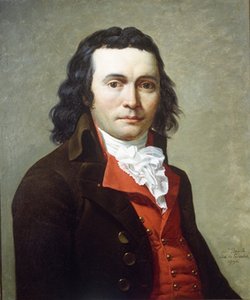
jean louis laneuville
1756 - 1826 , France
Quick Facts
- Artistic Movement Or Style: Neoclassical
- Artists Or Movements Influenced By This Artist: ['David']
- Artists Who Influenced This Artist: ['Jacques-Louis David']
- Date Of Birth: December 26, 1756
- Full Name: Jean-Louis Titon La Neuville
- Nationality: French
- Notable Artworks:
- Portrait of Bertrand Barère de Vieuzac
- Theresa Tallien portrait
- Place Of Birth: Paris, France

