

 Preview
 Send
Send Share
Share
 Details

 Download
 Similars
 X-Ray
X-Ray Diaporama
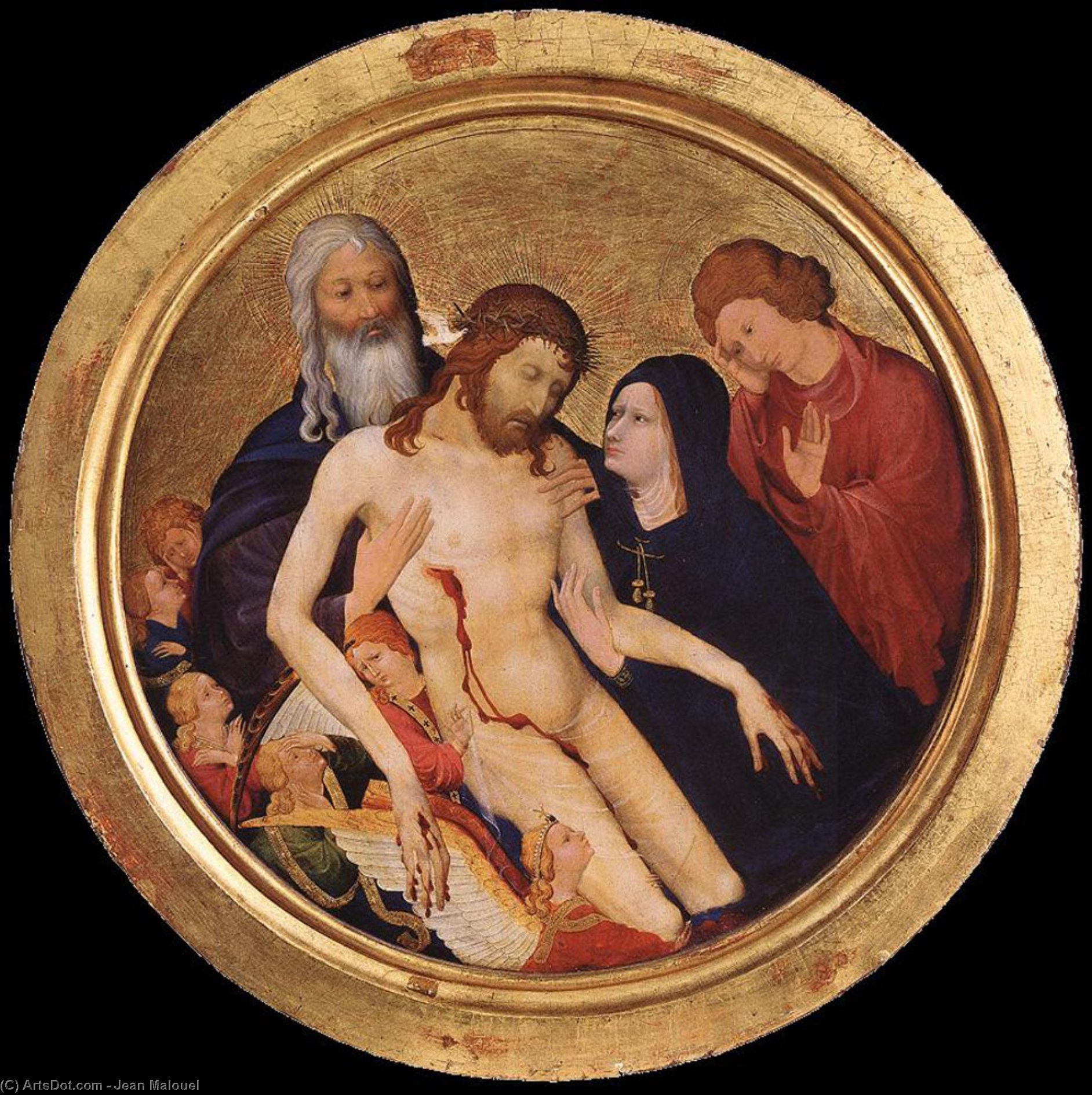
Large Round Pietà
 Acrylic On Canvas
- WallArt
- International Gothic Style
 1400
1400 64.0 x 64.0 cm
 The Louvre
 Read More
Purchase a high-resolution, enhanced digital image, far superior to the online preview.
Each file is meticulously prepared by our in-house specialists using advanced tools and expert manual retouching. We ensure every image has exceptional clarity, precise color accuracy, and fine detail.
The final file is delivered via email within 72 hours, optimized for immediate use in professional, editorial, and print environments. This is the same quality trusted by top-tier design studios, publishers, and galleries.
Digital Image
Download a high-resolution file for personal display, printing, and creative projects. ( Buy Print Buy Hand Made Painting)
Included in Every Digital Image Order
Expert Digital Delivery, Guaranteed
When you choose ArtsDot.com, you're not just getting an image - you're receiving a professionally enhanced digital artwork, crafted with precision and backed by a satisfaction guarantee. Here's everything that comes with your order, automatically:

Fast Email Delivery
Your high-resolution digital image file will be emailed to you within 72 hours of ordering - ready for immediate use.

AI-Enhanced Digital File
Your artwork is professionally optimized using advanced AI tools and manual editing, ensuring maximum detail, clarity, and color accuracy.

Free Lifetime Re-Delivery
Accidentally deleted or lost your file? No worries - we'll resend it to you anytime, free of charge.

No Import Fees - Ever
Enjoy your artwork instantly with zero customs, duties, or delivery fees - digital downloads are always tax-free.

Color Accuracy Guarantee
We ensure your digital image reflects the original colors as closely as possible using professional tools and color management.

60-Day Satisfaction Guarantee
If you're not satisfied with your digital image, we'll revise it or refund 100% within 60 days - no questions asked.

100% Money-Back Guarantee
Not satisfied? Get a full refund within 60 days of receiving your digital file - no questions asked.

Bulk Order Discounts
Buy 3 images, save 10% - Buy 5, save 15% - Buy 10+, save 20%. Great for creative projects, galleries, and agencies.
Collectible Description
Jean Malouel: A Pioneer of Burgundian Gothic Revival
Jean Malouel (c. 1375 – 1415) stands as a pivotal figure in the artistic landscape of late medieval Europe, specifically within the burgeoning cultural dynamism of the Burgundian court. Born in Nijmegen, then part of Guelders, his life coincided with an era marked by ambitious royal patronage and a gradual shift away from the austere traditions of Gothic art towards the nascent influences of Renaissance aesthetics—a transition he skillfully navigated, establishing Dijon as a beacon of artistic innovation.
- Family Legacy: Malouel’s artistic lineage extended beyond himself; his father, Willem Maelwael, and uncle Herman practiced painting, providing him with invaluable formative experience within the workshop environment. This familial connection underscored the importance of craftsmanship and tradition in shaping his artistic sensibilities.
- Early Career & Patronage: By 1382, records indicate Malouel was actively engaged as an artist, securing commissions from influential patrons like Philip the Bold and John the Fearless—a testament to his burgeoning talent and ability to forge connections within the royal circles of Burgundy.
The International Gothic Style: A Synthesis of Tradition
Malouel’s artistic output is predominantly characterized by the International Gothic style, a stylistic movement that emerged in France and Flanders around 1390-1425. Unlike its predecessor, Gothic art, which emphasized verticality and spiritual solemnity, the International Gothic embraced horizontal lines and delicate ornamentation—reflecting a growing humanist sensibility. This style blended elements of Byzantine iconography with Northern European artistic conventions, resulting in images imbued with both grandeur and exquisite detail.
The *Large Round Pietà*, created circa 1400, exemplifies this stylistic fusion perfectly. It’s not merely a depiction of religious imagery; it's an embodiment of the intellectual and aesthetic currents shaping the period.
A Masterpiece of Detail & Emotion
Executed on wood panel, the Pietà showcases Malouel’s meticulous technique—a hallmark of his oeuvre. He employed tempera paint mixed with oil, allowing for subtle gradations of color and achieving remarkable luminosity. The artist's attention to anatomical accuracy is evident in the depiction of Christ’s body, while simultaneously conveying profound emotional depth through expressive gestures and facial expressions.
- Composition: The circular format—a deliberate choice—creates a sense of unity and contemplation, mirroring the spiritual ideals of the time.
- Color Palette: Pale ivory dominates Christ’s flesh tone, contrasted by vibrant hues in Mary's drapery and the surrounding figures—enhancing visual impact and conveying emotional nuance.
- Symbolism: The inclusion of angels flanking Jesus and Mary underscores Christian iconography, symbolizing divine grace and compassion.
A Legacy Enduring Through Time
Currently housed in the Louvre Museum in Paris, the *Large Round Pietà* continues to captivate viewers with its timeless beauty and emotional resonance. It serves as a poignant reminder of Malouel’s contribution to artistic history—a testament to his ability to synthesize tradition and innovation, cementing his place among the foremost artists of the Burgundian Renaissance.
Related Artworks
Artist Biography
A Life at the Burgundian Court
Jean Malouel, or Jan Maelwael as he was known in his native Netherlands, occupies a fascinating, pivotal position in the transition from Gothic to Renaissance art. Born around 1375 in Nijmegen, a city then part of the Duchy of Guelders, his life unfolded against the backdrop of burgeoning artistic patronage and shifting cultural currents. He wasn’t merely a painter; he was a courtier, an innovator, and a key figure in establishing the Burgundian court as a center of artistic excellence. The seeds of his artistry were sown within a family tradition – both his father, Willem Maelwael, and an uncle practiced the craft, providing young Jan with early training and exposure to the workshop environment. By 1382, records indicate he was already actively working as an artist, demonstrating a precocious talent that would soon draw him into the orbit of powerful patrons.From Paris to Dijon: Ascending Through Royal Circles
Malouel’s career took its first significant turn in 1396-97 when he found himself working in Paris, tasked with painting armorial decorations for Isabelle of Bavaria, the Queen of France. This commission wasn't simply about heraldry; it was an introduction to the world of royal commissions and a demonstration of his skill in detailed, decorative work. However, it was his move to Dijon in 1397 that truly cemented his destiny. He succeeded Jean de Beaumetz as court painter to Philip the Bold, Duke of Burgundy, a position he held with distinction until his death. This appointment wasn’t merely a job; it came with the prestigious rank of *valet de chambre*, signifying his close proximity to the Duke and his importance within the Burgundian household. His salary reflected this esteem, exceeding that of even renowned sculptors like Claus Sluter, underscoring the value Philip placed on Malouel's artistic abilities. A brief return to Nijmegen in 1405 allowed him to marry Heilwig van Redinchaven before he resumed his duties at the Burgundian court, a testament to his commitment to both family and patronage.Master of Innovation: Style and Major Works
Malouel’s artistic style is firmly rooted in the International Gothic tradition – characterized by elegant figures, rich colors, and meticulous detail. Yet, within this framework, he demonstrated a forward-thinking approach, particularly in his adoption of glazing techniques that foreshadowed the innovations of oil painting pioneered later by Jan van Eyck. His most celebrated work, the Pietà Tondo (Louvre), is considered a landmark achievement – arguably the first true tondo of the Renaissance. This circular composition, with its depiction of the Virgin Mary cradling the body of Christ, blends Northern European and Sienese artistic influences into a harmonious whole. The use of glazing lends a remarkable luminosity to the scene, enhancing its emotional impact. Other significant works attributed to him include the Martyrdom of St Denis Altarpiece (Louvre), though authorship is debated, with some scholars believing Henri Bellechose completed it after Malouel’s death. The *Portrait of Philip the Bold*, while only surviving in later copies, was highly esteemed during its time and served as a model for subsequent depictions of the Duke. His Virgin and Child (Berlin Gemäldegalerie), believed to be part of a diptych with a portrait of John the Fearless, represents an early example of this increasingly popular format.A Lasting Legacy: Bridging Eras
Jean Malouel’s influence extended beyond his own paintings. He played a crucial role in introducing the Limbourg brothers – Herman, Paul, and Johan – to Philip the Bold's service around 1400. This introduction proved transformative for the brothers, launching their careers as celebrated manuscript illuminators and significantly impacting the artistic landscape of the Burgundian court. Malouel’s commissions within the palaces were numerous, and his work on projects like the Well of Moses, sculpted by Claus Sluter, demonstrated his collaborative spirit and mastery of decorative techniques. He wasn't simply executing designs; he was actively shaping the visual identity of the Burgundian court. While uncertainties surrounding attribution continue to fuel scholarly debate regarding the full extent of his *oeuvre*, Malouel’s contributions to the artistic landscape of the late Middle Ages are undeniable. He stands as a pivotal figure, bridging the gap between the refined elegance of Gothic art and the burgeoning naturalism that would define the Renaissance, leaving an indelible mark on the history of European painting.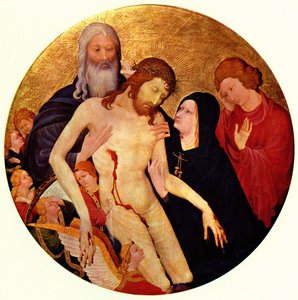
Jean Malouel
1375 - 1415 , Netherlands
Quick Facts
- Artistic Movement Or Style: International Gothic
- Artists Or Movements Influenced By This Artist:
- Limbourg brothers
- Early Renaissance painting
- Date Of Birth: c. 1375
- Date Of Death: 1415
- Full Name: Jean Malouel
- Nationality: Netherlandish (Dutch)
- Notable Artworks:
- Pietà Tondo
- Martyrdom of St Denis Altarpiece
- Virgin and Child
- Place Of Birth: Nijmegen, Netherlands

