 Preview
 Send
Send Share
Share
 Details

 Download
 Similars
 X-Ray
X-Ray Diaporama
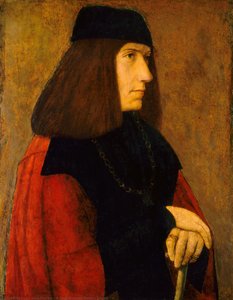
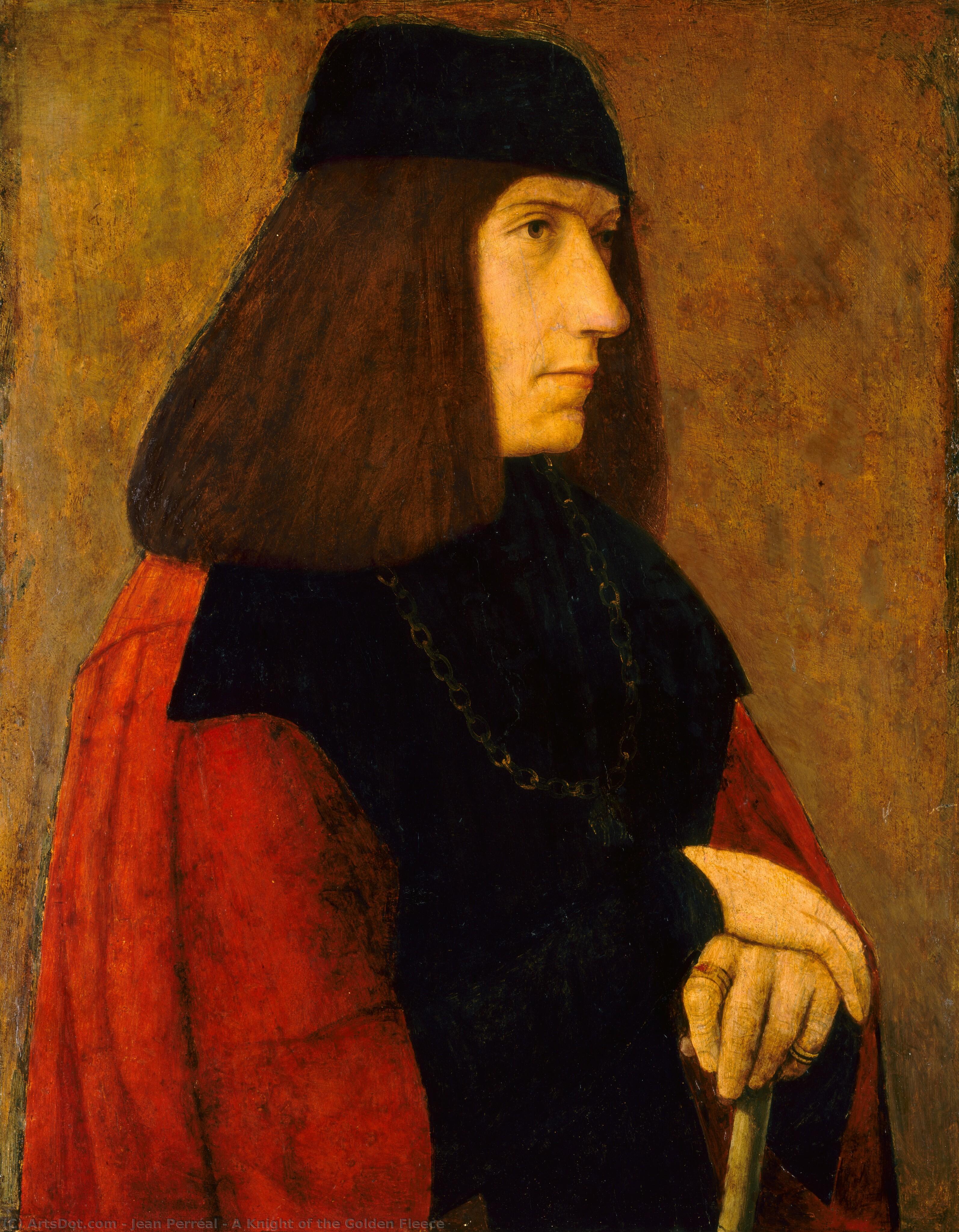
A Knight of the Golden Fleece
 1495
1495 75.0 x 62.0 cm
 Read More
Giclée / Art Print
Museum-quality giclée or canvas print with fast production and flexible finish options. ( Buy Hand Made Painting Buy Image)




































Pick from our preset sizes that match the artwork's original proportions.

You may enter your own dimensions to fit a specific frame or space. If your selected size does not match the original image's proportions, we will either crop the artwork or extend the image with a mirrored or solid-fill edge. A digital mockup will be sent for your approval before production begins.
Please note that the on-screen preview does not reflect the actual cropping or extension. Only the mockup will accurately show the final composition.
While custom sizes are available, we recommend selecting a dimension from the predefined list to preserve the original proportions.
Worldwide Delivery () in 2 weeks instead of standard 4/5 weeks. (27 August)

Free Worldwide Express Shipping

High-Quality Linen Canvas

Full Shipping Insurance

Customs Tax Refund Guarantee

True Color Matching Guarantee

60-Day Return Policy (Defects Only)

100% Money-Back Guarantee

Bulk Discount Offer
 Glass option is only available in size under 110 CM

A Knight of the Golden Fleece
Giclée / Art Print
Reproduction Size
-


Total Price
$ 63
Related Artworks





Artist Biography
The Enigmatic World of Jean Perréal: A Renaissance Portraitist
Jean Perréal remains a captivating, yet elusive figure in the landscape of Renaissance art. Born in around 1458, likely in Villers-Cotterêts, France, his life is shrouded in mystery, pieced together from surviving artworks, legal documents, and contemporary accounts. Unlike many artists of his time who benefited from extensive patronage networks or guild affiliations, Perréal appears to have navigated a more independent path, serving a diverse clientele that included members of the nobility, wealthy merchants, and even individuals within the burgeoning legal profession. This independence perhaps contributed to the unique character of his work – a blend of meticulous realism, subtle psychological insight, and an almost courtly elegance. He died in 1530, leaving behind a relatively small but profoundly influential body of portraits that offer a fascinating glimpse into French society at the dawn of the 16th century.A Career Forged Between Law and Likeness
Perréal’s unusual career trajectory is one of his most intriguing aspects. He was not solely an artist; he held positions within the legal system, serving as a *notaire* (notary) in Orléans from 1491 onwards. This dual role seems to have profoundly shaped his artistic practice. His portraits are often accompanied by elaborate inscriptions – not merely identifying the sitter but frequently including details of their profession, social standing, and even legal achievements. These texts aren’t simply labels; they function as a form of visual branding, reinforcing the sitter's status and aspirations. This meticulous attention to detail and emphasis on civic identity distinguishes Perréal from many of his contemporaries who focused more on idealized beauty or religious symbolism. He wasn’t just painting faces; he was constructing public images. His legal background also instilled in him a precision and clarity that is evident in the sharp outlines, carefully rendered textures, and balanced compositions of his paintings.Style and Influences: A Synthesis of Tradition and Innovation
Perréal’s artistic style represents a fascinating synthesis of Northern European realism and Italian Renaissance elegance. Early influences likely came from Flemish masters like Jan van Eyck and Rogier van der Weyden, whose attention to detail and naturalistic depiction of textures he clearly admired. However, Perréal didn't simply imitate these artists; he adapted their techniques to suit his own aesthetic sensibilities and the tastes of his French clientele. He embraced a more linear style than the oil-rich surfaces favored in Flanders, employing tempera paint with remarkable finesse. The influence of Italian Renaissance portraiture is also discernible in his work, particularly in the emphasis on profile views, elegant poses, and the use of classical architectural elements as backdrops. His portraits often feature sitters framed by arched doorways or against a backdrop of meticulously rendered tapestries, evoking a sense of refined sophistication. He masterfully combined these diverse influences to create a uniquely French portrait style that was both realistic and idealized.Major Achievements and Lasting Legacy
While Perréal produced works in various formats – including panel paintings, drawings, and even playing cards – he is best known for his series of *portrait medallions*. These small-scale portraits, often painted on wood or vellum, are remarkable for their psychological depth and technical virtuosity. Each medallion captures the individual character of the sitter with striking accuracy, conveying not just physical likeness but also a sense of personality and social status. His most famous series depicts prominent lawyers from Orléans, showcasing his ability to portray intelligence, authority, and civic pride. Beyond these medallions, Perréal’s larger panel portraits – such as the *Portrait of Jean de Montagu* (circa 1500) – demonstrate his mastery of composition, color, and texture. His work had a significant impact on subsequent generations of French portrait painters, influencing artists like François Clouet and Jean Fouquet. Perréal’s emphasis on realism, psychological insight, and the integration of text into visual imagery paved the way for the development of a distinctly French portrait tradition that flourished throughout the 16th century. His portraits remain invaluable historical documents, offering a rare glimpse into the lives and aspirations of individuals during a pivotal period in European history.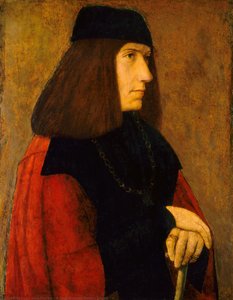
Quick Facts
- Artistic Movement Or Style: French Renaissance portraiture
- Date Of Death: Living
- Full Name: Jean Perréal
- Notable Artworks:
- Self-Portrait
- Portrait of a Lady
- Saint Sebastian