 Preview
 Send
Send Share
Share
 Details

 Download
 Similars
 X-Ray
X-Ray Diaporama
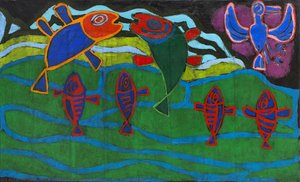
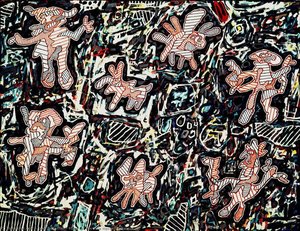
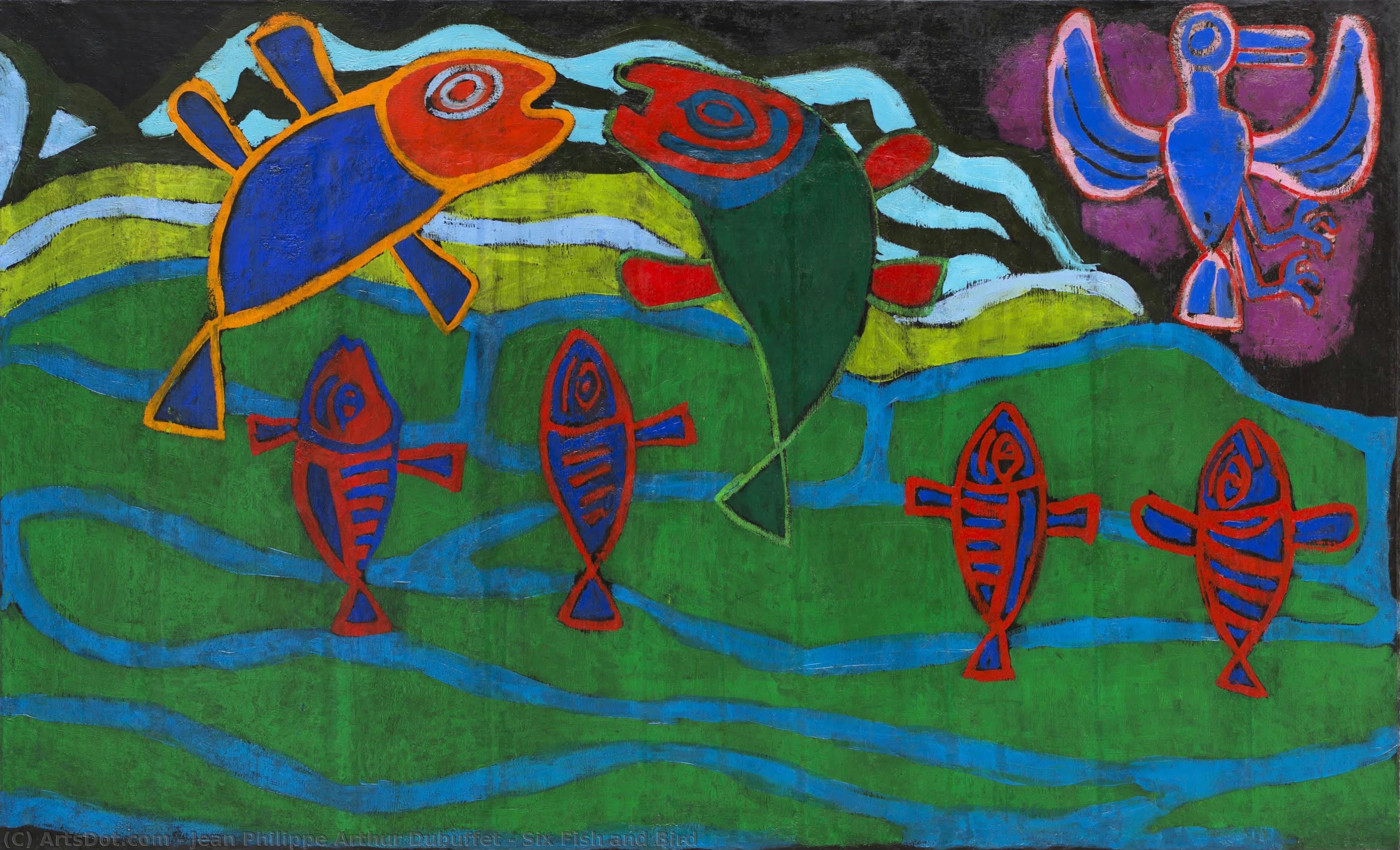
Six Fish and Bird
 Acrylic On Canvas
- WallArt
- Art Brut
 1943
1943- Modern
 122.0 x 202.0 cm
 Tel Aviv Museum of Art
 Read More
Hand Made Oil Reproduction
Hand-painted oil on canvas in your size and frame, made to order by our artists. ( Buy Print Buy Image)




P118B $10

P118H $10

P118W $10

P438Z $10

P508JH $12

P508YH $12

P805H $10

P805Z $10

P919BZ $10

P919G $10

P919XJ $10

P959ZH $10

P968JZ $12

W106C $8

W218G $10

W218JH $8

W218Y $10

W307PJ $10

W316G $10

W316PJ $8

W316Y $10

W398PJ $8

W4111J $10

W500HY $15

W500JH $15

W692G $12

W849H $8

W940BG $15

W953PJ $8




Pick from our preset sizes that match the artwork's original proportions.

You may enter your own dimensions to fit a specific frame or space. If your selected size does not match the original image's proportions, we will either crop the artwork or extend the painting with additional hand-painted elements. A digital mockup will be sent for your approval before production begins.
Please note that the on-screen preview does not reflect the actual cropping or extension. Only the mockup will accurately show the final composition.
While custom sizes are available, we recommend selecting a dimension from the predefined list to preserve the original proportions.
After order, ArtsDot.com team will email client for instructions and provide a mockup preview
Worldwide Delivery () in 3/4 weeks instead of standard 5 weeks. (18 August). No compromise on quality.

Free Worldwide Express Shipping

High-Quality Linen Canvas

Full Shipping Insurance

Customs Tax Refund Guarantee

True Color Matching Guarantee

60-Day Return Policy (Defects Only)

100% Money-Back Guarantee

Bulk Discount Offer
 Glass option is only available in size under 110 CM

Six Fish and Bird
Reproduction Medium
Reproduction Size
-


Total Price
$ 263
Artwork Description
A Vibrant Symphony of Life: Jean Philippe Arthur Dubuffet’s “Six Fish and Bird”
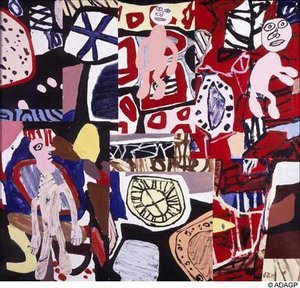
This captivating artwork, "Six Fish and Bird," produced in 1943 by the pioneering French artist Jean Philippe Arthur Dubuffet, offers a compelling glimpse into the burgeoning world of 20th-century art. Measuring 122 x 202 cm, this piece immediately draws the eye with its exuberant palette and dynamic composition – a testament to Dubuffet’s radical departure from traditional academic painting. The scene unfolds as a lively tableau populated by six fish and four birds, each rendered with a raw, almost primal energy that would come to define Dubuffet's signature style of “Art Brut.” The work speaks to a desire for authenticity and an embrace of the unrefined, qualities that resonated deeply within the artist’s own explorations.
The Roots of Art Brut: A Rejection of Convention
- Dubuffet's Philosophy: Dubuffet emerged as a key figure in the movement known as “Art Brut,” or raw art. This artistic current, championed by artists like Jean Arp and André Masson, sought to liberate painting from the constraints of established academies and bourgeois tastes. “Art Brut” valued direct expression, often utilizing unconventional materials and techniques – a stark contrast to the polished realism favored by many contemporary artists.
- Influence of Surrealism: While distinct from Surrealism’s dreamlike imagery, Dubuffet's work shares a similar impulse toward spontaneity and subconscious exploration. The seemingly random arrangement of fish and birds reflects a desire to tap into primal instincts and unfiltered emotions.
- The Importance of Process: Dubuffet prioritized the act of painting itself over the finished product. His technique involved applying paint with his hands, sticks, or other improvised tools, resulting in textured surfaces and gestural marks that convey a sense of immediacy and energy.
Subject Matter and Composition – A Study in Movement
The composition of “Six Fish and Bird” is deliberately chaotic yet carefully balanced. The six fish, depicted in varying sizes and orientations, create a dynamic flow across the canvas, while the four birds introduce an element of aerial movement. The artist’s focus on everyday subjects – animals found in nature – elevates them to symbolic significance. The fish, often associated with fertility, abundance, and transformation, alongside the birds representing freedom, spirituality, and transcendence, contribute to a layered narrative. The placement of the figures within cramped spaces, reminiscent of Dubuffet's later work, adds a psychological dimension, suggesting a confrontation with the raw realities of human existence.
Historical Context and Emotional Impact
Created in 1943 during World War II, “Six Fish and Bird” reflects the anxieties and uncertainties of the era. The artwork’s bold colors and unrestrained style can be interpreted as a defiant response to the imposed order and control of the time. Dubuffet's focus on simple subjects – animals – offers a grounding element amidst the chaos of war, suggesting an enduring connection to nature and the fundamental rhythms of life. The painting evokes a sense of vitality and primal energy, inviting viewers to contemplate themes of survival, freedom, and the beauty found in the natural world. This reproduction captures that raw emotion and vibrant spirit perfectly.
Related Artworks
Artist Biography
early life and career
jean philippe arthur dubuffet, a french painter and sculptor, was born on july 31, 1901, in le havre, france. his family, wholesale wine merchants, belonged to the wealthy bourgeoisie. in 1918, dubuffet moved to paris to study painting at the académie julian, where he befriended artists like juan gris, andré masson, and fernand léger.artistic evolution
after a brief stint at the académie, dubuffet continued his artistic journey independently. he developed interests in music, poetry, and ancient languages. in 1934, he resumed painting, creating a series of portraits that emphasized art historical vogues. however, he stopped again to focus on his wine business during the german occupation of france.founding art brut
in 1942, dubuffet devoted himself to art once more. he drew inspiration from everyday life, often featuring individuals in cramped spaces, which had a distinct psychological impact on viewers. his first solo show at the galerie rené drouin in paris (1944) marked his third attempt to become an established artist.notable works and techniques
* jean fautrier's paintings (1945) influenced dubuffet to use thick oil paint mixed with materials like mud, sand, and coal dust. * his series hautes pâtes (thick impastoes), exhibited in 1946 at the galerie rené drouin, showcased his innovative impasto technique.international recognition
dubuffet's association with pierre matisse, a prominent dealer of contemporary european art in america, led to rapid success in the american art market. his work was featured alongside artists like picasso, braque, and rouault at the gallery exhibit.legacy
* dubuffet's pioneering role in the art brut movement has left an indelible mark on the art world. * his use of unconventional materials and techniques continues to inspire artists worldwide.- view jean philippe arthur dubuffet's artworks on ArtsDot: https://ArtsDot.com/@/jean-philippe-arthur-dubuffet
- explore the musée maurice denis, a french post-impressionism museum, on ArtsDot: https://ArtsDot.com/@@/d3aue3
- discover more about jean fautrier's influence on dubuffet's work: https://ArtsDot.com/@@/7z9rsr-fernand-leger-the-baluster
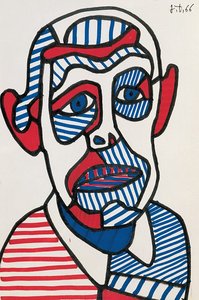
jean philippe arthur dubuffet
1901 - 1985 , France
Quick Facts
- Artistic Movement Or Style: École de Paris, Art Brut
- Artists Or Movements Influenced By This Artist: ['Jean fautrier']
- Artists Who Influenced This Artist:
- Juan Gris
- André Masson
- Fernand Léger
- Date Of Birth: July 31, 1901
- Full Name: Jean Philippe Arthur Dubuffet
- Nationality: French
- Notable Artworks:
- Weaver's vision
- Comings and goings
- Scenic triplex
- Place Of Birth: Le Havre, France
Related Articles
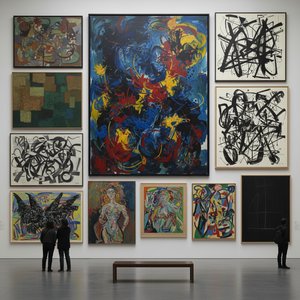
Abstract Expressionism's 10 Defining Masterpieces |
Explore 10 defining Abstract Expressionism masterpieces by Pollock, Rothko & de Kooning. Discover the stories behind these iconic paintings and find museum-quality art reproductions to elevate your home decor on .

Geometric Abstraction's 10 Defining Masterpieces | Art for Your Home - ArtsDot
Explore 10 defining masterpieces of Geometric Abstraction! Discover Kandinsky, Mondrian & Malevich’s iconic works. Find museum-quality art reproductions and curated decor ideas to elevate your home at ArtsDot.com.
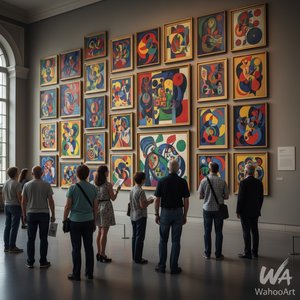
Kandinsky's Masterpieces: 25 Paintings That Define Abstract Art | ArtsDot
Journey through Wassily Kandinsky's 25 most iconic abstract paintings. Explore his revolutionary use of color, form & spiritual expressionism. Find museum-quality Kandinsky reproductions and elevate your home decor with ArtsDot.com. Discover all masterpieces on ArtsDot.com!
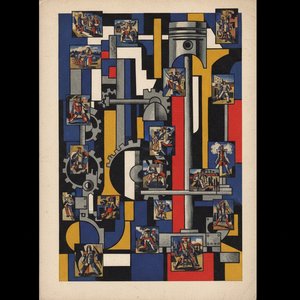
Fernand Léger's Masterpieces: 25 Iconic Paintings & The Machine Age Aesthetic | ArtsDot
Explore 25 iconic Fernand Léger paintings that defined the Machine Age & Cubism. Discover the stories behind his bold colors, geometric forms & avant-garde style. Find museum-quality art reproductions on ArtsDot.com.
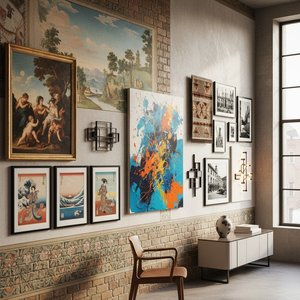
Transforming Spaces: A Comprehensive Exploration of Wall Decor Through Art History & Contemporary Practice
Explore the art of transforming spaces with our comprehensive guide to wall decor. From historical movements to contemporary trends, discover how to curate impactful interiors and commission bespoke artwork for a truly personalized aesthetic.