 Preview
 Send
Send Share
Share
 Details

 Download
 Similars
 X-Ray
X-Ray Diaporama
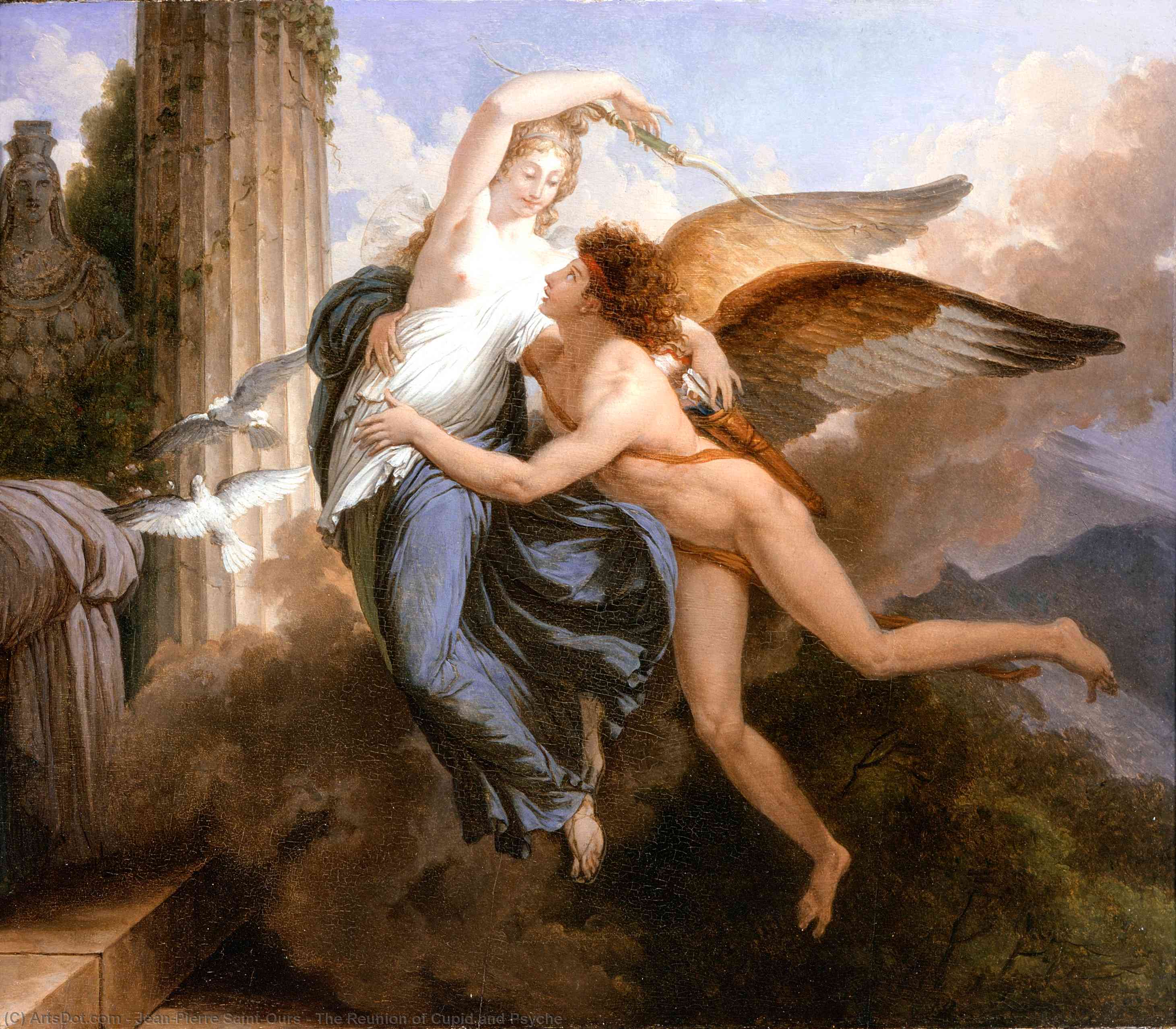
The Reunion of Cupid and Psyche
 Read More
Hand Made Oil Reproduction
Hand-painted oil on canvas in your size and frame, made to order by our artists. ( Buy Print Buy Image)




































Pick from our preset sizes that match the artwork's original proportions.

You may enter your own dimensions to fit a specific frame or space. If your selected size does not match the original image's proportions, we will either crop the artwork or extend the painting with additional hand-painted elements. A digital mockup will be sent for your approval before production begins.
Please note that the on-screen preview does not reflect the actual cropping or extension. Only the mockup will accurately show the final composition.
While custom sizes are available, we recommend selecting a dimension from the predefined list to preserve the original proportions.
After order, ArtsDot.com team will email client for instructions and provide a mockup preview
Worldwide Delivery () in 3/4 weeks instead of standard 5 weeks. (28 August). No compromise on quality.

Free Worldwide Express Shipping

High-Quality Linen Canvas

Full Shipping Insurance

Customs Tax Refund Guarantee

True Color Matching Guarantee

60-Day Return Policy (Defects Only)

100% Money-Back Guarantee

Bulk Discount Offer
 Glass option is only available in size under 110 CM

The Reunion of Cupid and Psyche
Reproduction Medium
Reproduction Size
-


Total Price
$ 263
Related Artworks


Artist Biography
Jean-Pierre Saint-Ours: A Neoclassical Voice from Geneva
Jean-Pierre Saint-Ours, born in Geneva in 1752 and tragically passing away in 1809, remains a compelling figure within the artistic landscape of the late 18th and early 19th centuries. His story is one of ambition thwarted by circumstance, of a brilliant mind navigating the shifting political tides of Europe while striving to realize his grand visions of classical history. While often compared to his contemporary, Jacques-Louis David – a relationship marked by both admiration and professional rivalry – Saint-Ours carved out a distinct artistic identity rooted in the traditions of Swiss art and shaped by the intellectual currents of Paris. His legacy lies not just in the scale of his works, but also in their evocative power and subtle emotional depth.Early Life and Artistic Foundations
Saint-Ours’s artistic journey began within a family steeped in craftsmanship. His father, Jacques Saint-Ours, was an accomplished enamel painter, providing Jean-Pierre with his initial training. This early exposure to the meticulous detail and vibrant colors of enamel work undoubtedly instilled in him a strong appreciation for technique and visual precision. Following in his father’s footsteps, he initially studied drawing in Geneva before relocating to Paris at the age of sixteen. There, he enrolled under the tutelage of Joseph-Marie Vien, a prominent figure in the Parisian art scene known for his Neoclassical style. Vien's studio proved crucial; it was within its walls that Saint-Ours encountered Jacques-Louis David, a pivotal encounter that profoundly influenced his artistic development and exposed him to the radical political thinking prevalent at the time. This exposure to revolutionary ideas would later shape his own engagement with the tumultuous events of the French Revolution.Rome and the Pursuit of Grandeur
In 1780, Saint-Ours achieved a significant milestone: he won the Prix de Rome with his dramatic depiction of “The Rape of the Sabine Women.” This prestigious award granted him access to the Académie Royale des Beaux-Arts in Rome – a coveted opportunity for aspiring artists. However, his Swiss nationality and Protestant faith presented immediate obstacles. Despite his talent, he was denied full membership at the Academy, effectively barring him from official commissions within France. Undeterred, Saint-Ours financed his own journey to Rome, utilizing connections made through Cardinal de Bernis, the French ambassador, to secure a degree of patronage and access to artistic circles. This resourceful approach allowed him to establish himself as an artist in the Eternal City, though he remained perpetually on the periphery of the official art establishment.A Divided Career: Politics and Portraits
The French Revolution dramatically altered Saint-Ours’s career trajectory. Initially a supporter of revolutionary ideals, he witnessed firsthand the disruption of the market for his ambitious history paintings – works designed to adorn palaces and grand halls. As the revolution progressed, he returned to Geneva, becoming actively involved in politics and eventually serving in the Genevan Assemblée Nationale. Following the Thermidorian Reaction, he shifted his focus towards portraiture, catering to the wealthy elite of Geneva with a series of elegant and often intimate portraits. These works, while less grand than his earlier historical compositions, offered him a more stable income and allowed him to continue practicing his craft. His artistic output during this period reflects a complex negotiation between his political convictions, his artistic ambitions, and the practical realities of survival in a rapidly changing world.Key Works and Lasting Influence
Saint-Ours’s oeuvre is characterized by its ambitious scale and adherence to Neoclassical principles. While many of his major compositions exist primarily as drawings or small painted versions – often reflecting the limitations imposed by lack of commissions – they reveal a remarkable command of composition, color, and dramatic storytelling. Notable works include “The Reunion of Cupid and Psyche,” a tender depiction of the mythological lovers, and “The Coronation of the Winner,” a grand historical scene showcasing his ability to manage large groups of figures within a carefully constructed narrative. His paintings frequently draw inspiration from classical antiquity, particularly Roman history, but he imbues these subjects with a distinctly Swiss sensibility – a quiet dignity and understated elegance that sets him apart from his more flamboyant contemporary, David. Though often overshadowed by the brilliance of David, Jean-Pierre Saint-Ours remains a significant figure in 18th-century art, a testament to the enduring power of Neoclassicism and the resilience of an artist navigating the complexities of his time. His work continues to be studied for its technical skill, emotional resonance, and subtle engagement with the historical and political currents of his era.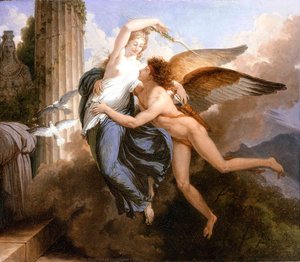
Jean-Pierre Saint-Ours
1752 - 1809
Quick Facts
- Artistic Movement Or Style: Neoclassical
- Artists Or Movements Influenced By This Artist: ['Jacques-Louis David']
- Artists Who Influenced This Artist: ['Jacques Saint-Ours (father)']
- Date Of Birth: 1752
- Date Of Death: 1809
- Full Name: Jean-Pierre Saint-Ours
- Nationality: Swiss
- Notable Artworks:
- The Reunion of Cupid and Psyche
- Coronation of the Winner
- Place Of Birth: Geneva, Switzerland