 Preview
 Send
Send Share
Share
 Details

 Download
 Similars
 X-Ray
X-Ray Diaporama
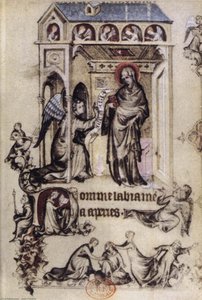
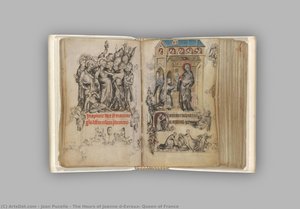
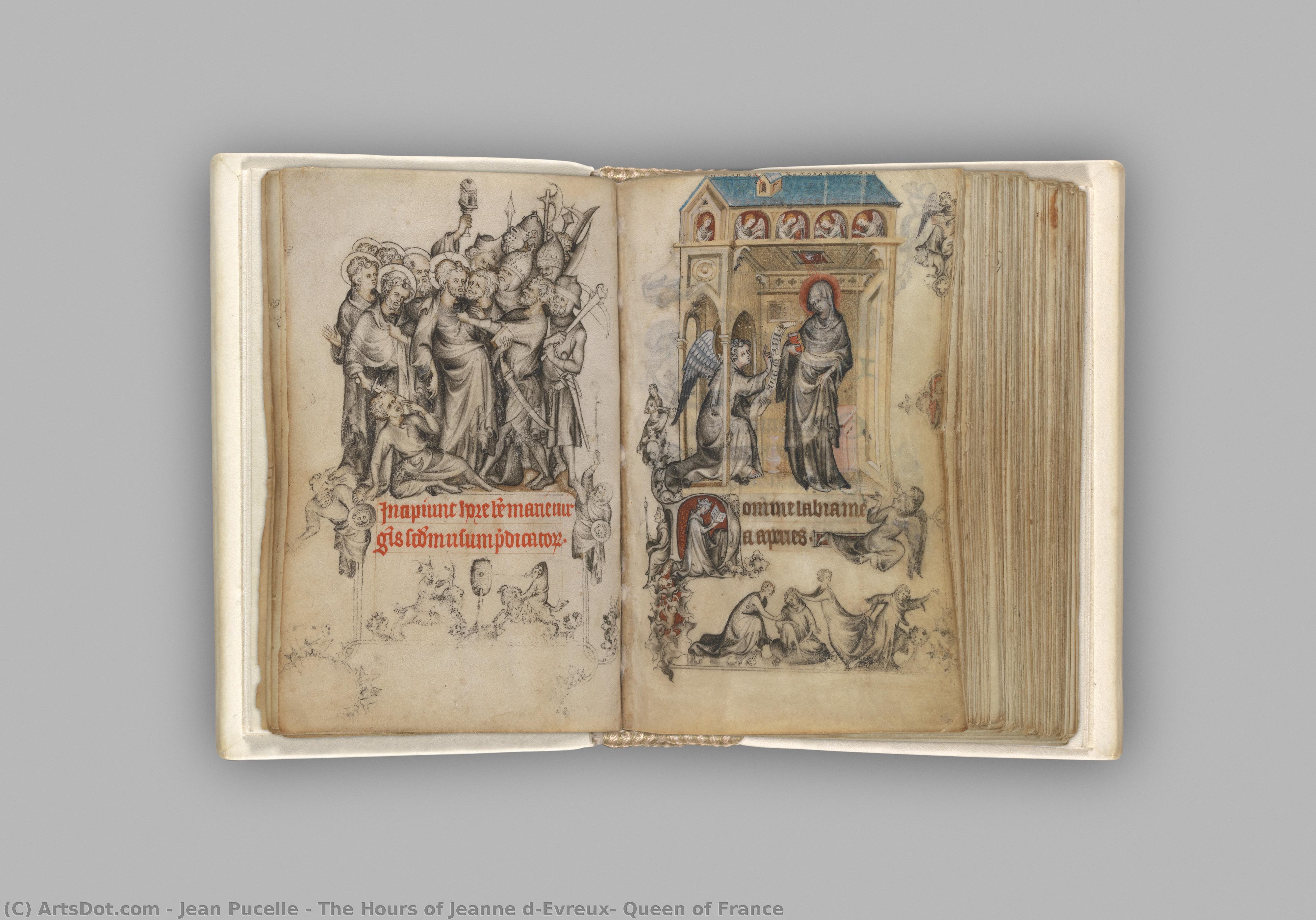
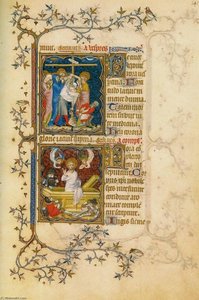
The Hours of Jeanne d'Evreux, Queen of France
 1324
1324 10.0 x 7.0 cm
 The Met Cloisters
 Read More
Giclée / Art Print
Museum-quality giclée or canvas print with fast production and flexible finish options. ( Buy Hand Made Painting Buy Image)




































Pick from our preset sizes that match the artwork's original proportions.

You may enter your own dimensions to fit a specific frame or space. If your selected size does not match the original image's proportions, we will either crop the artwork or extend the image with a mirrored or solid-fill edge. A digital mockup will be sent for your approval before production begins.
Please note that the on-screen preview does not reflect the actual cropping or extension. Only the mockup will accurately show the final composition.
While custom sizes are available, we recommend selecting a dimension from the predefined list to preserve the original proportions.
Worldwide Delivery () in 2 weeks instead of standard 4/5 weeks. (7 September)

Free Worldwide Express Shipping

High-Quality Linen Canvas

Full Shipping Insurance

Customs Tax Refund Guarantee

True Color Matching Guarantee

100-Day Return Policy (Defects Only)

100% Money-Back Guarantee

Bulk Discount Offer
 Glass option is only available in size under 110 CM

The Hours of Jeanne d'Evreux, Queen of France
Giclée / Art Print
Reproduction Size
-


Total Price
$ 63
Related Artworks

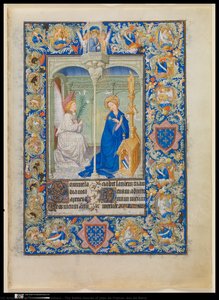



Artist Biography
The Enigma of the Gothic Miniature: The Life and Legacy of Jean Pucelle
Jean Pucelle remains one of the most captivating enigmas in the annals of medieval art, a figure whose name is whispered with reverence by those who study the delicate transition from the rigid structures of the Middle Ages to the burgeoning humanism of the Renaissance. Born around 1300 in France, his early life is shrouded in the mists of history, yet his artistic presence is undeniably luminous. Emerging during the turbulent and transformative reign of Philip IV, Pucelle rose from the workshops of Paris to become the preeminent manuscript illuminator of his generation. He was not merely a craftsman but a visionary who breathed life into parchment, transforming static religious icons into windows of profound emotional depth and psychological complexity. His formative years, though poorly documented, suggest a period of intense experimentation and cross-cultural absorption. It is believed that Pucelle may have been influenced by the techniques of Jacques de Limbourg, absorbing the subtle use of sfumato—that hazy, atmospheric blending of tones—which allowed him to achieve an unprecedented sense of realism within the miniature format. This mastery of light and shadow, combined with a keen eye for the architectural grandeur of his era, enabled him to bridge the gap between the flat, symbolic world of early Gothic art and the more three-dimensional, sculptural approach that would define the later trecento style.A Revolution in Ink: The Invention of Drolleries and Grisaille
The true genius of Pucelle lies in his ability to disrupt tradition while simultaneously refining it. He is most famously credited with the invention of drolleries, those whimsical, often grotesque, and fantastical marginalia that populate the borders of his most celebrated works. Before Pucelle, manuscript margins were often reserved for simple floral motifs or solemn religious symbols; however, he introduced a world of improbable juxtapositions, where hybrid creatures, playful musicians, and mischievous figures dance alongside sacred texts. This stylistic innovation provided a necessary breath of life and humor to the otherwise somber liturgical manuscripts, signaling a shift toward a more observational and imaginative approach to art. Beyond his whimsical borders, Pucelle’s technical prowess was most evident in his use of grisaille. In masterpieces such as the Hours of Jeanne d’Evreux, he moved away from the heavy reliance on gold leaf and vibrant pigments to embrace a sophisticated palette of grays. This technique gave his figures a remarkable sculptural quality, making them appear as if they were carved from stone rather than painted on vellum. By utilizing subtle tonal gradations, he achieved a sense of volume and weight that was revolutionary for the 14th century. When accented with delicate touches of lilac, turquoise, or soft pink, these monochromatic scenes attained a haunting, ethereal beauty that captured the spiritual essence of the prayers they accompanied.The Bridge Between Traditions: Historical Significance
Pucelle’s historical importance cannot be overstated, as he acted as a vital conduit for the movement of artistic ideas across Europe. He is widely recognized by scholars as the artist responsible for introducing the arte nuovo—the fresh, emotive style of Italian masters like Giotto and Duccio—into the Northern Gothic tradition. By synthesizing the delicate, linear elegance of French illumination with the spatial depth and humanism of the Italian trecento, he created a unique visual language that would influence generations of illuminators, including his own pupil, Jean Le Noir. His legacy is preserved in the silent halls of the world's greatest museums, where his works continue to evoke awe:- The Hours of Jeanne d’Evreux: A pinnacle of Gothic intimacy, showcasing his mastery of grisaille and delicate narrative detail.
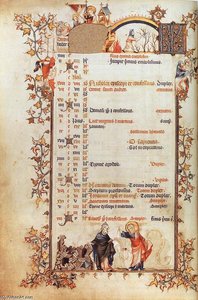
- The Belleville Breviary: A testament to his ability to blend complex iconography with his signature whimsical marginalia.
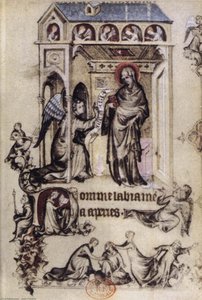
- The Annunciation: An exquisite display of his skill in integrating architectural realism with divine subject matter.
jean pucelle
1300 - 1334 , France
Quick Facts
- Artistic Movement Or Style: Early Gothic painting
- Artists Or Movements Influenced By This Artist: ['International Gothic']
- Artists Who Influenced This Artist: ['Jacquemart de Hesdin']
- Date Of Death: 1334
- Full Name: Jean Pucelle
- Nationality: French
- Notable Artworks:
- Hours of Jeanne d'Evreux
- Belleville Breviary: December
- Place Of Birth: France