 Preview
 Send
Send Share
Share
 Details

 Download
 Similars
 X-Ray
X-Ray Diaporama
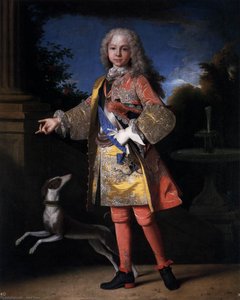
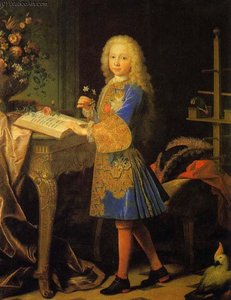
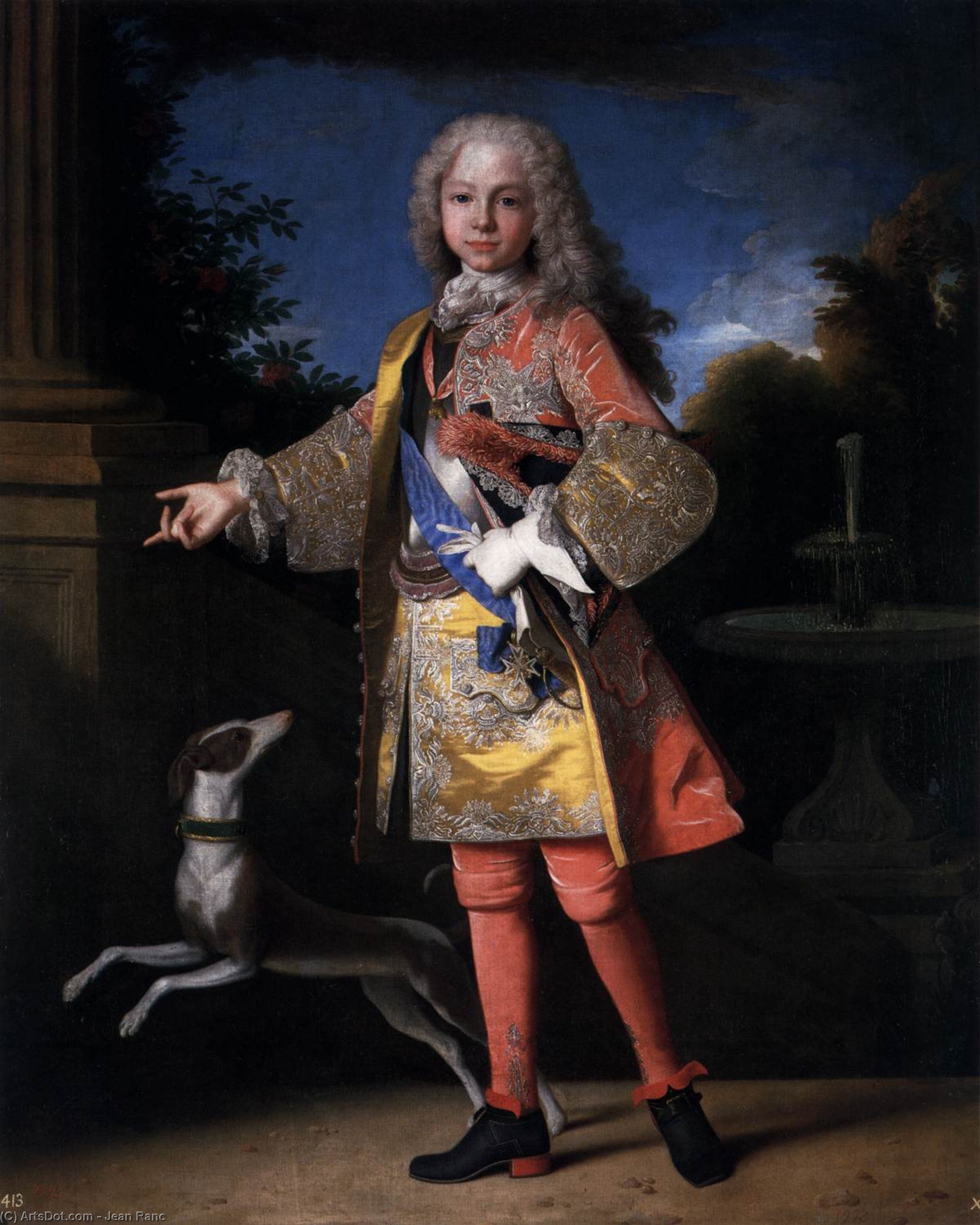
Ferdinand Vi As Prince
 Read More
Hand Made Oil Reproduction
Hand-painted oil on canvas in your size and frame, made to order by our artists. ( Buy Print Buy Image)




































Pick from our preset sizes that match the artwork's original proportions.

You may enter your own dimensions to fit a specific frame or space. If your selected size does not match the original image's proportions, we will either crop the artwork or extend the painting with additional hand-painted elements. A digital mockup will be sent for your approval before production begins.
Please note that the on-screen preview does not reflect the actual cropping or extension. Only the mockup will accurately show the final composition.
While custom sizes are available, we recommend selecting a dimension from the predefined list to preserve the original proportions.
After order, ArtsDot.com team will email client for instructions and provide a mockup preview
Worldwide Delivery () in 3/4 weeks instead of standard 5 weeks. (17 August). No compromise on quality.

Free Worldwide Express Shipping

High-Quality Linen Canvas

Full Shipping Insurance

Customs Tax Refund Guarantee

True Color Matching Guarantee

60-Day Return Policy (Defects Only)

100% Money-Back Guarantee

Bulk Discount Offer
 Glass option is only available in size under 110 CM

Ferdinand Vi As Prince
Reproduction Medium
Reproduction Size
-


Total Price
$ 263
Related Artworks
Artist Biography
Jean Ranc (1674 – 1735): A Parisian Portraitist Bridging Baroque and Rococo
Jean Ranc, born in Montpellier in 1674, was a French painter who achieved considerable renown during the reign of Louis XV and Philip V of Spain. His artistic journey began under the tutelage of his father, Antoine Ranc, a provincial portraitist himself, and Hyacinthe Rigaud, whose influence profoundly shaped Ranc’s style and career trajectory. Rigaud's studio became Ranc’s formative environment, fostering connections with fellow artists and establishing him firmly within the Parisian art scene.- Early Training & Influences: Antoine Ranc instilled in Jean a passion for painting and exposed him to European masters—a legacy that would continue through Rigaud’s mentorship. Rigaud's meticulous technique, particularly his masterful sfumato, became a cornerstone of Ranc’s artistic approach.
- Parisian Engagement & Academic Recognition: Moving to Paris in 1696, Ranc enrolled at the Académie Royale de Peinture et de Sculpture in December 1700 and was formally admitted as a portraitist on July 28, 1703. Despite aspirations for historical painting—a path less favored by the Academy—Ranc excelled in capturing likenesses with remarkable precision and elegance.
The Rigaudian Style & Patronage
Ranc’s artistic style closely mirrored that of Hyacinthe Rigaud, characterized by a refined Rococo aesthetic infused with subtle realism. Rigaud's influence extended beyond technique; he championed a new iconography for the Bourbon monarchy, emphasizing dignity and composure—principles Ranc skillfully adopted in his portraits. He secured commissions from prominent figures of Parisian society, including François Verdier and Carlos III de España, demonstrating his ability to adapt to diverse artistic tastes. Notably, Rigaud actively steered Ranc towards collaborations with younger artists destined for service abroad, recognizing the importance of establishing connections within international artistic circles.- Notable Commissions: Ranc’s portraits of Verdier and Carlos III exemplify his dedication to capturing character and conveying emotion through nuanced observation.
A Career Marked by Distinction & Challenges
Despite Rigaud's guidance, Ranc never achieved official recognition as a history painter—a significant impediment in the competitive landscape of Parisian art academies. However, he persevered as a respected portraitist, earning acclaim for his ability to portray subjects with sensitivity and artistic finesse. His work gained particular prominence during Philip V’s reign in Spain, where repeated criticisms regarding the quality of French portraits sent by the court underscored the difficulties faced by artists attempting to establish themselves abroad.Legacy & Artistic Significance
Jean Ranc's contribution to 18th-century portraiture lies in his embodiment of the Rigaudian style—a synthesis of Baroque grandeur and Rococo delicacy that solidified its position as a dominant aesthetic during Philip V’s reign. His meticulous attention to detail, combined with an understanding of psychological nuance, ensured his place among the most celebrated artists of his time. Today, Ranc's paintings reside primarily in the Musée National Jean-Jacques Henner, offering visitors a rare glimpse into the artistic sensibilities of the Bourbon era and showcasing the enduring power of portraiture as a medium for conveying identity and status.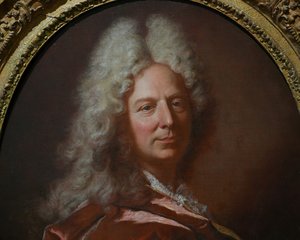
Jean Ranc
1674 - 1735 , France
Quick Facts
- Artistic Movement Or Style: Baroque/Neoclassical
- Artists Who Influenced This Artist:
- Hyacinthe Rigaud
- Antoine Ranc
- Date Of Birth: 1674
- Full Name: Jean Ranc
- Nationality: French
- Notable Artworks:
- Vertumnus And Pomona
- Retrato De Carlos III
- jean ranc
- Place Of Birth: Montpellier, France