 Preview
 Send
Send Share
Share
 Details

 Download
 Similars
 X-Ray
X-Ray Diaporama
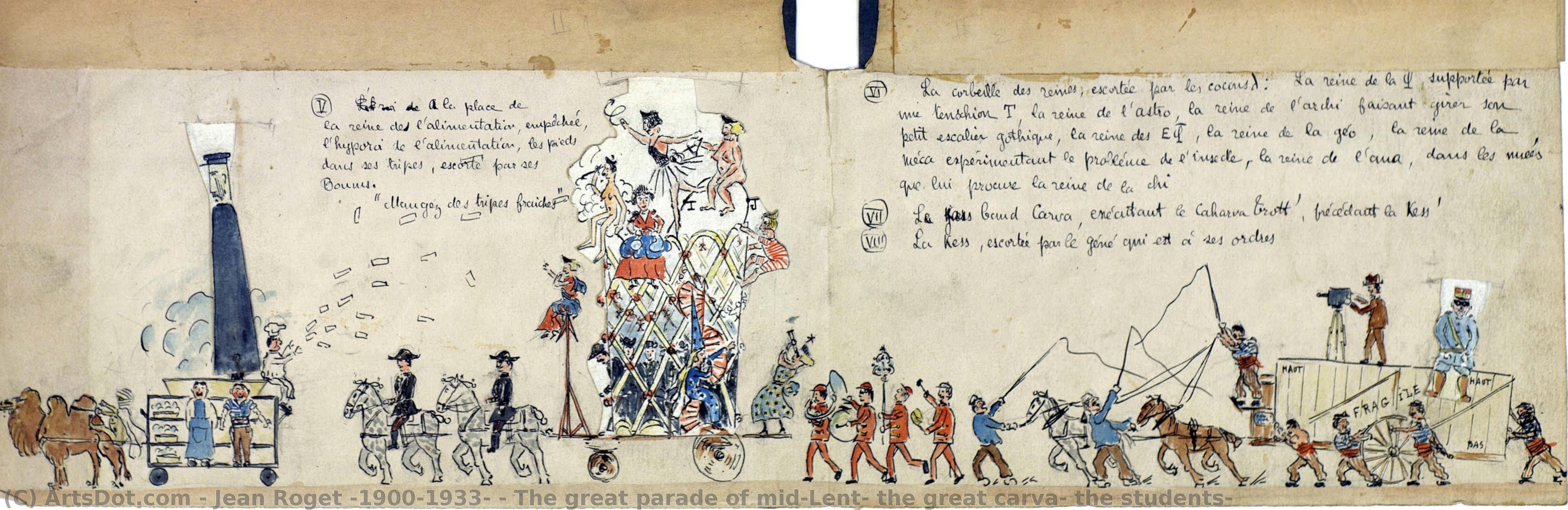
The great parade of mid-Lent: the great carva, the students
 1919
1919 16.0 x 49.0 cm
 Read More
Giclée / Art Print
Museum-quality giclée or canvas print with fast production and flexible finish options. ( Buy Hand Made Painting Buy Image)




































Pick from our preset sizes that match the artwork's original proportions.

You may enter your own dimensions to fit a specific frame or space. If your selected size does not match the original image's proportions, we will either crop the artwork or extend the image with a mirrored or solid-fill edge. A digital mockup will be sent for your approval before production begins.
Please note that the on-screen preview does not reflect the actual cropping or extension. Only the mockup will accurately show the final composition.
While custom sizes are available, we recommend selecting a dimension from the predefined list to preserve the original proportions.
Worldwide Delivery () in 2 weeks instead of standard 4/5 weeks. (3 September)

Free Worldwide Express Shipping

High-Quality Linen Canvas

Full Shipping Insurance

Customs Tax Refund Guarantee

True Color Matching Guarantee

60-Day Return Policy (Defects Only)

100% Money-Back Guarantee

Bulk Discount Offer
 Glass option is only available in size under 110 CM

The great parade of mid-Lent: the great carva, the students
Giclée / Art Print
Reproduction Size
-


Total Price
$ 63
Related Artworks








Artist Biography
Jean Roget (1900-1933): A Pioneer of Ceramic Sculpture
Jean Roget (1900-1933) stands as a singular figure in the history of French ceramic sculpture, recognized for his distinctive approach to form and texture that blended traditional craftsmanship with avant-garde experimentation. Born in Paris, Roget’s artistic journey began amidst the burgeoning artistic fervor of the early 20th century, profoundly shaped by influences ranging from Picasso's geometric abstraction to the decorative arts traditions of China—particularly the Kangxi porcelain model which served as inspiration for his iconic frog sculpture.- Early Life and Education: Roget’s formative years were marked by a fascination with sculpture and drawing, nurtured through autodidactic study and mentorship under prominent sculptors of the time. This foundational training instilled in him a meticulous attention to detail and an unwavering commitment to mastering the techniques of ceramic fabrication.
- The Great Parade (1919): Roget’s breakthrough came with “The Great Parade,” a monumental ceramic sculpture commissioned for the École Supérieure des Beaux-Arts in Paris. This ambitious project showcased his mastery of scale, texture, and color—a bold departure from prevailing sculptural conventions—and cemented his reputation as an innovator within the artistic landscape.
- Style and Technique: Roget’s distinctive style characterized by its refined linework and expressive use of glaze achieved a remarkable balance between precision and spontaneity. He skillfully employed techniques honed over years of experience to imbue his sculptures with palpable vitality, capturing fleeting moments of movement and emotion.
Influences and Artistic Vision
Roget’s artistic sensibilities were deeply rooted in the intellectual currents of his era, reflecting a broader engagement with modernist ideas while simultaneously honoring the legacy of European decorative arts. Picasso's geometric abstraction served as a catalyst for Roget’s exploration of simplified forms and spatial relationships—a stylistic hallmark that distinguished his work from more representational tendencies. Simultaneously, he drew inspiration from ancient Chinese porcelain sculptures, specifically the Kangxi model, recognizing its elegance and symbolic resonance. This dual influence informed his artistic vision, propelling him to create pieces that transcended mere ornamentation, conveying profound emotional depth and intellectual contemplation.Notable Works
Beyond “The Great Parade,” Roget produced a prolific body of ceramic sculptures encompassing diverse subjects—from stylized animals to evocative depictions of human figures—each imbued with meticulous attention to detail and expressive textural qualities. His creations graced public spaces and private collections alike, establishing him as one of the foremost sculptors of his generation. Among his most celebrated pieces are:- The Frog Sculpture (1962): Inspired by the Kangxi porcelain model, this sculpture embodies Roget’s commitment to capturing fleeting moments of movement and emotion through refined linework and textural contrasts.
Legacy and Historical Significance
Jean Roget's contribution to French ceramic sculpture extends beyond his individual achievements—he established a workshop that continues to produce exceptional pieces, upholding the traditions of “grand feu” earthenware while embracing innovation and artistic experimentation. His grandson François carries on this legacy, ensuring that Roget’s distinctive style remains alive in contemporary ceramics, demonstrating the enduring impact of his pioneering vision. Roget's work stands as testament to the transformative power of art—a celebration of form, texture, and emotion that resonates across generations.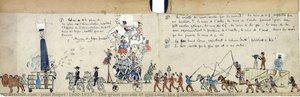
jean roget (1900-1933)
1900 - 1933 , France
Quick Facts
- Artistic Movement Or Style: Detailed linework & expressive color
- Date Of Death: 1933
- Full Name: Jean Roget
- Nationality: French
- Notable Artworks: ['The Great Parade']
- Place Of Birth: France