 Preview
 Send
Send Share
Share
 Details

 Download
 Similars
 X-Ray
X-Ray Diaporama
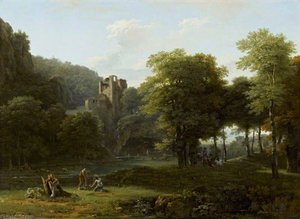
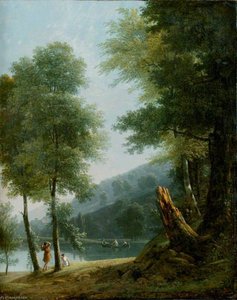
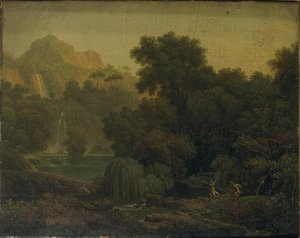
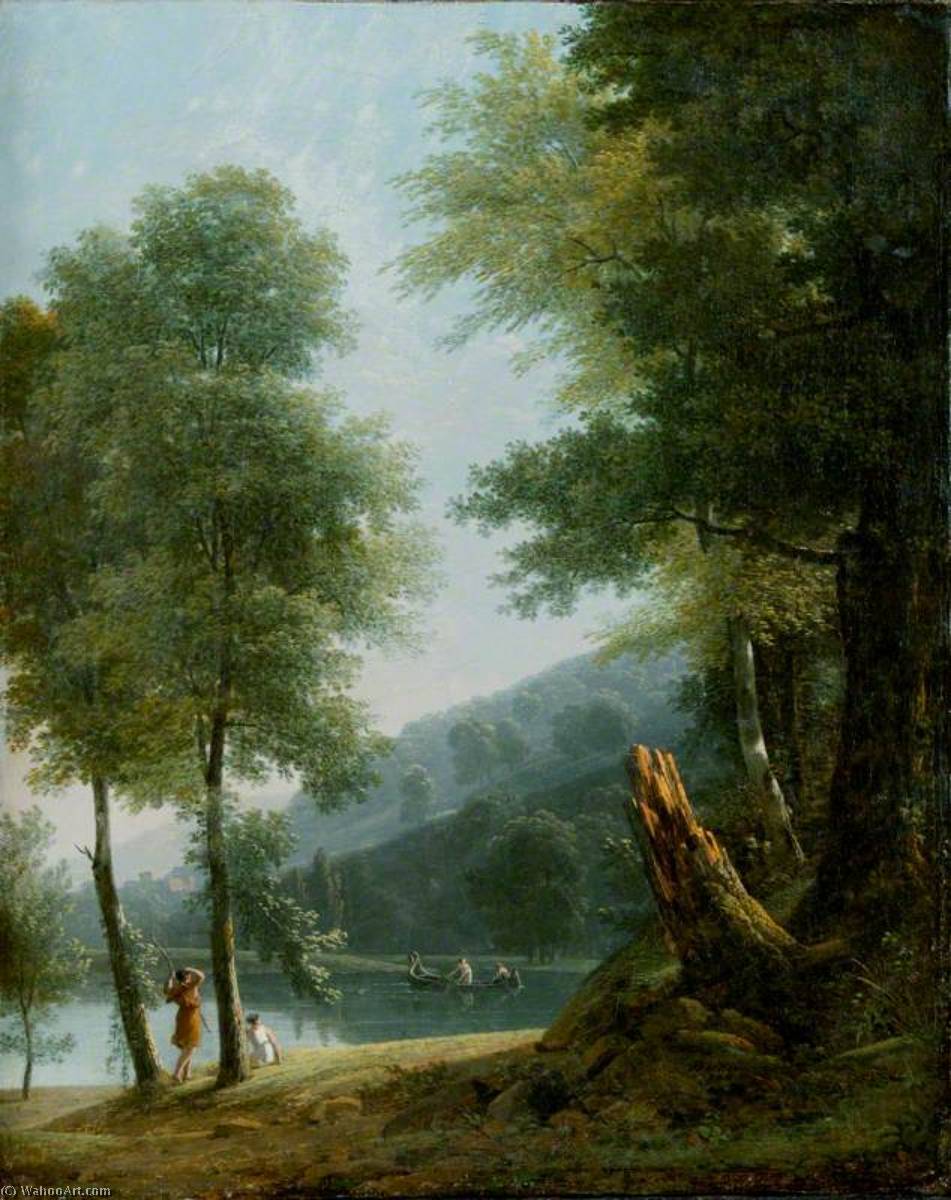
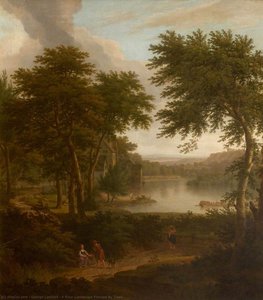
Landscape with Classical Figures on and beside a Lake
 Acrylic On Canvas
- WallArt
- Neoclassical Landscape
 40.0 x 32.0 cm
 National Trust
 Read More
Hand Made Oil Reproduction
Hand-painted oil on canvas in your size and frame, made to order by our artists. ( Buy Print Buy Image)




P118B $10

P118H $10

P118W $10

P438Z $10

P508JH $12

P508YH $12

P805H $10

P805Z $10

P919BZ $10

P919G $10

P919XJ $10

P959ZH $10

P968JZ $12

W106C $8

W218G $10

W218JH $8

W218Y $10

W307PJ $10

W316G $10

W316PJ $8

W316Y $10

W398PJ $8

W4111J $10

W500HY $15

W500JH $15

W692G $12

W849H $8

W940BG $15

W953PJ $8




Pick from our preset sizes that match the artwork's original proportions.

You may enter your own dimensions to fit a specific frame or space. If your selected size does not match the original image's proportions, we will either crop the artwork or extend the painting with additional hand-painted elements. A digital mockup will be sent for your approval before production begins.
Please note that the on-screen preview does not reflect the actual cropping or extension. Only the mockup will accurately show the final composition.
While custom sizes are available, we recommend selecting a dimension from the predefined list to preserve the original proportions.
After order, ArtsDot.com team will email client for instructions and provide a mockup preview
Worldwide Delivery () in 3/4 weeks instead of standard 5 weeks. (17 August). No compromise on quality.

Free Worldwide Express Shipping

High-Quality Linen Canvas

Full Shipping Insurance

Customs Tax Refund Guarantee

True Color Matching Guarantee

60-Day Return Policy (Defects Only)

100% Money-Back Guarantee

Bulk Discount Offer
 Glass option is only available in size under 110 CM

Landscape with Classical Figures on and beside a Lake
Reproduction Medium
Reproduction Size
-


Total Price
$ 263
Artwork Description
The Echoes of Antiquity: A Portrait of Pastoral Harmony
Jean-Victor Bertin's "Landscape with Classical Figures on and beside a Lake" isn’t merely a depiction of a picturesque scene; it’s an invitation to step into a realm where the spirit of antiquity breathes alongside the tranquility of nature. Painted around 1803, this work transcends the simple act of landscape painting, becoming a carefully constructed meditation on beauty, order, and the enduring allure of classical ideals. Bertin, a master student of Pierre-Henri de Valenciennes, skillfully blended Neoclassical principles with emerging Romantic sensibilities, creating an atmosphere both formally refined and deeply emotionally resonant.
The scene unfolds within a meticulously rendered lake, its surface mirroring the soft hues of the sky and the dense foliage lining its shores. The composition is anchored by a gentle curve of shoreline, leading the eye towards a distant range of hills that recede into atmospheric perspective – a technique borrowed from the Venetian masters and perfected by Bertin himself. The artist’s deliberate use of light and shadow establishes a palpable sense of depth and realism, while simultaneously imbuing the landscape with an ethereal quality. Notice how the brushstrokes are subtle yet confident, creating a texture that is both smooth and inviting.
Figures Amidst the Verdant Embrace
Dominating the left foreground stands a solitary figure, seemingly lost in contemplation beside the water’s edge. While details of his attire remain somewhat obscured, he embodies a classical archetype – a scholar or poet absorbed in the beauty of the natural world. His posture suggests a quiet reverence, inviting the viewer to share in his moment of reflection. To his right, another figure, likely engaged in fishing, adds a touch of human activity without disrupting the overall sense of serenity. These figures aren’t simply added for visual interest; they serve as anchors, grounding the idealized landscape and reminding us of humanity's connection to its surroundings.
The arrangement is deliberate, echoing the compositional strategies employed by artists like Poussin, whose influence on Bertin is undeniable. The placement of these figures within the broader landscape creates a dialogue between the human and the natural, suggesting a harmonious balance – a core tenet of Neoclassical thought. It’s a subtle yet powerful statement about humanity's role as observers and participants in the grand scheme of nature.
Symbolism and the Language of Landscape
Beyond its aesthetic beauty, “Landscape with Classical Figures” is rich in symbolic meaning. The lake itself represents purity, tranquility, and the reflective qualities of the human mind. The distant hills evoke a sense of timelessness and permanence, while the trees – rendered with meticulous detail – symbolize growth, resilience, and the cyclical nature of life. The classical figures, embodying intellectual pursuits and philosophical contemplation, represent humanity’s ongoing quest for knowledge and understanding.
Bertin's choice to depict a scene reminiscent of antiquity wasn’t arbitrary; it reflected the broader cultural currents of his time – a renewed interest in classical art and philosophy following the Enlightenment. By juxtaposing these ancient ideals with the burgeoning Romantic movement, Bertin created a work that is both deeply rooted in tradition and strikingly modern.
A Legacy of Serenity: Reproduction and Beyond
Reproductions of “Landscape with Classical Figures” offer a remarkable opportunity to bring this serene vision into your home or office. The meticulous detail and atmospheric depth captured by Bertin are faithfully reproduced, allowing you to experience the painting’s emotional impact firsthand. Whether adorning a formal study or a tranquil living room, this artwork will undoubtedly serve as a constant reminder of the beauty and harmony that can be found in the natural world – and within ourselves.
Related Artworks
Artist Biography
A Master of Classical Reverie: The World of Jean-Victor Bertin
Jean-Victor Bertin, a name perhaps less immediately recognized than some of his contemporaries, occupies a significant and fascinating niche in the landscape painting of late 18th and early 19th century France. Born in Paris in 1767, Bertin’s artistic journey unfolded against a backdrop of revolutionary upheaval and shifting aesthetic ideals. He wasn't merely documenting scenery; he was crafting evocative atmospheres steeped in classical allusion and imbued with a distinctly Romantic sensibility. His canvases weren’t simply views, but portals to imagined worlds where the grandeur of antiquity resonated within the natural world.
Bertin’s formal training began under Pierre-Henri de Valenciennes, a pivotal figure in establishing landscape painting as a respected genre within the French Académie Royale de Peinture et de Sculpture. Valenciennes instilled in his pupil a rigorous approach to observation and composition, emphasizing direct study from nature – a practice that would become central to Bertin’s method. In 1785, he furthered his education under Gabriel-François Doyen, solidifying his academic foundation. This early grounding proved crucial as Bertin navigated the competitive landscape of the Salon exhibitions, participating regularly from 1793 until his death in 1842. His work consistently demonstrated a mastery of technique and an unwavering commitment to classical principles, even as artistic tastes began to evolve.
Influences and Artistic Development
The shadow of Nicolas Poussin looms large over Bertin’s oeuvre. Poussin's influence is not merely stylistic; it represents a philosophical alignment with the ideals of order, clarity, and intellectual rigor that characterized classical art. Bertin absorbed Poussin’s penchant for carefully constructed compositions, populated with architectural ruins and figures engaged in contemplative activities. However, Bertin didn’t simply imitate his predecessor. He infused Poussin's cool rationality with a burgeoning Romantic sensibility – a heightened emotional response to nature and a fascination with the sublime. His landscapes are not cold or sterile; they possess an atmospheric depth and a sense of melancholy that foreshadow the Romantic movement’s embrace of emotion and individual experience.
Bertin’s travels, particularly his inspiration drawn from Italy, played a crucial role in shaping his artistic vision. The Italian landscape – with its ancient ruins, dramatic light, and evocative atmosphere – provided him with a wealth of motifs and themes. He wasn't interested in simply replicating the scenery; he sought to capture the *spirit* of these places, imbuing them with historical resonance and emotional weight. This is evident in works like Paysage, where Roman ruins are seamlessly integrated into a sweeping vista, creating a sense of timelessness and poetic contemplation.
Recognition and Legacy
Bertin’s talent was recognized during his lifetime, though perhaps not to the extent it deserved. He received a ‘prix d'encouragement’ in 1799, followed by a first-class gold medal in 1808 – accolades that affirmed his standing within the artistic establishment. In 1822, he was honored with the Légion d'honneur, a testament to his contributions to French art. Despite these honors, Bertin faced financial difficulties in his later years, continuing to paint and exhibit even as his circumstances became more challenging.
Beyond his own artistic achievements, Bertin’s legacy lies in his role as a teacher. He mentored several prominent artists who would go on to shape the course of French painting, including Michallon, Cogniet, Boisselier, and perhaps most notably, Jean-Baptiste Camille Corot. He instilled in these students not only technical skill but also a deep appreciation for the classical tradition and a commitment to direct observation from nature. His influence can be seen in their works – a shared emphasis on composition, atmosphere, and a reverence for the natural world.
A Lasting Impression
Bertin’s paintings, such as Classical Landscape and Le château de la Reine Blanche aux étangs de Commelles, continue to captivate viewers with their serene beauty and evocative power. They offer a glimpse into a world where classical ideals coexist harmoniously with Romantic sensibilities – a testament to Bertin’s unique artistic vision. He stands as a bridge between two eras, embodying the transition from Neoclassicism to Romanticism while remaining firmly rooted in the traditions of French landscape painting. His work reminds us of the enduring power of art to transport us to other times and places, inviting us to contemplate the beauty and mystery of the world around us.
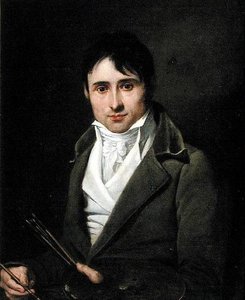
Jean-Victor Bertin
1767 - 1842 , France
Quick Facts
- Artistic Movement Or Style: Neoclassicism, Romanticism
- Artists Or Movements Influenced By This Artist:
- Michallon
- Cogniet
- Boisselier
- Corot
- Artists Who Influenced This Artist: ['Nicolas Poussin']
- Date Of Birth: 1767
- Date Of Death: 1842
- Full Name: Jean-Victor Bertin
- Nationality: French
- Notable Artworks:
- Festival of Pan
- Offering to Venus
- Cicero's return
- Flight of Angelica
- Festival of Bacchus
- Place Of Birth: Paris, France
Related Articles

Beyond the Horizon: 10 Landscape Masterpieces for Your Home Decor
Journey through 10 breathtaking landscape paintings by Monet, Van Gogh & more! Explore iconic artworks, artistic techniques & find inspiration for your home decor. Museum-quality reproductions at ArtsDot.com. Discover all masterpieces on ArtsDot.com

John Constable's Masterpieces: Explore 25 Iconic Landscapes for Your Home
Journey through John Constable's 25 most celebrated landscapes. Explore Romanticism, Dedham Vale & his masterful use of light in iconic paintings like 'Hay Wain'. Find museum-quality art reproductions and elevate your home decor on ArtsDot.com.
Serene Visions: Exploring Themes of Tranquility in Art History & Contemporary Practice
Explore the history of serene landscape art & discover artists who evoke tranquility. Find the perfect calming artwork for your home with expert guidance from ArtsDot.

Evocations of Place: A Historical Journey Through Landscape Art
Explore the rich history of landscape art with ArtsDot. Discover renowned artists, movements like Impressionism & Romanticism, and expert guidance for collecting timeless pieces. Find your perfect serene escape today!

Romantic Landscapes: 10 Masterpieces for Your Home | ArtsDot
Journey through 10 Romantic landscape masterpieces by Friedrich, Turner & Cole. Explore emotional art, sublime nature scenes & iconic 19th-century paintings. Find museum-quality reproductions for your home at ArtsDot.com – discover the full collection online!