

 Preview
 Send
Send Share
Share
 Details

 Download
 Similars
 X-Ray
X-Ray Diaporama
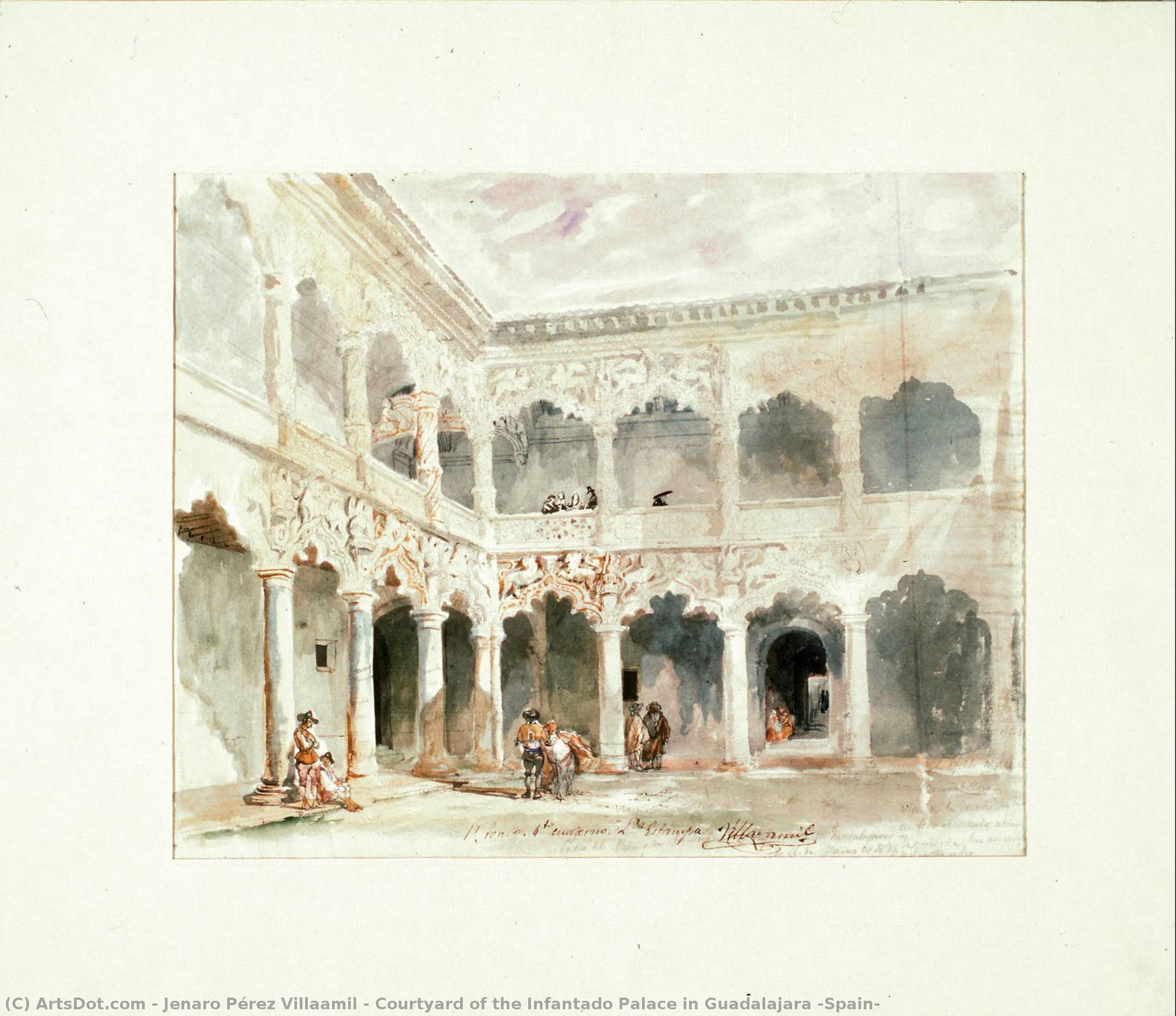
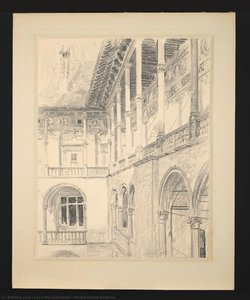
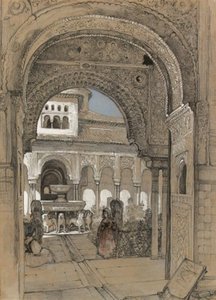
Courtyard of the Infantado Palace in Guadalajara (Spain)
 Romanticism
 1837
1837 31.0 x 23.0 cm
 Read More
Purchase a high-resolution, enhanced digital image, far superior to the online preview.
Each file is meticulously prepared by our in-house specialists using advanced tools and expert manual retouching. We ensure every image has exceptional clarity, precise color accuracy, and fine detail.
The final file is delivered via email within 72 hours, optimized for immediate use in professional, editorial, and print environments. This is the same quality trusted by top-tier design studios, publishers, and galleries.
Digital Image
Download a high-resolution file for personal display, printing, and creative projects. ( Buy Print Buy Hand Made Painting)
Included in Every Digital Image Order
Expert Digital Delivery, Guaranteed
When you choose ArtsDot.com, you're not just getting an image - you're receiving a professionally enhanced digital artwork, crafted with precision and backed by a satisfaction guarantee. Here's everything that comes with your order, automatically:

Fast Email Delivery
Your high-resolution digital image file will be emailed to you within 72 hours of ordering - ready for immediate use.

AI-Enhanced Digital File
Your artwork is professionally optimized using advanced AI tools and manual editing, ensuring maximum detail, clarity, and color accuracy.

Free Lifetime Re-Delivery
Accidentally deleted or lost your file? No worries - we'll resend it to you anytime, free of charge.

No Import Fees - Ever
Enjoy your artwork instantly with zero customs, duties, or delivery fees - digital downloads are always tax-free.

Color Accuracy Guarantee
We ensure your digital image reflects the original colors as closely as possible using professional tools and color management.

60-Day Satisfaction Guarantee
If you're not satisfied with your digital image, we'll revise it or refund 100% within 60 days - no questions asked.

100% Money-Back Guarantee
Not satisfied? Get a full refund within 60 days of receiving your digital file - no questions asked.

Bulk Order Discounts
Buy 3 images, save 10% - Buy 5, save 15% - Buy 10+, save 20%. Great for creative projects, galleries, and agencies.
Related Artworks
Artist Biography
Angelica Kauffman: A Pioneer of Neoclassicism and Artistic Independence
Born in 1741 in Chur, Switzerland, Angelica Kauffman’s life was a testament to both artistic brilliance and remarkable resilience. Her early years were shaped by her father, Joseph Johann Kauffmann, a skilled Swiss muralist who instilled in her a deep appreciation for art and technique. However, the family's itinerant lifestyle – moving between Switzerland, Italy, and Austria – provided her with an invaluable education, exposing her to diverse artistic traditions and fostering a keen eye for detail and observation. Unlike many women of her time, Angelica was not confined to domestic pursuits; she actively pursued her artistic ambitions, mastering multiple languages and developing a sophisticated understanding of art history and theory.
Angelica’s journey to becoming a recognized artist was fraught with challenges. The prevailing societal norms of the late 18th century severely limited opportunities for women in the art world. Yet, she defied these constraints through sheer determination and talent. Initially working alongside her father, she quickly established herself as a portraitist and landscape painter, attracting commissions from wealthy patrons across Europe. Her early works showcased a remarkable ability to capture likeness with precision and an emerging mastery of Neoclassical style – characterized by its emphasis on classical themes, balanced compositions, and idealized figures.
- Key Early Works: Kauffman’s early portraits, such as those of members of the Swiss nobility, demonstrated her technical skill and ability to convey personality.
- Italian Influence: Her time in Italy proved crucial, exposing her to the works of artists like Antonio Canova and influencing her style with its focus on grace, elegance, and classical ideals.
London and the Royal Academy
In 1786, Angelica Kauffman relocated to London, a pivotal moment in her career. She quickly established herself as a prominent figure within the British art scene, securing commissions from aristocratic families and becoming one of the first two women admitted to the prestigious Royal Academy in 1768 – alongside Mary Moser. This achievement was groundbreaking, signifying a significant step towards greater recognition for female artists.
Her London career was marked by both success and challenges. She continued to produce portraits, landscapes, and historical paintings, often depicting scenes from classical mythology or biblical narratives. Notably, she painted several portraits of European royalty, including Ludwig, Crown Prince of Bavaria, showcasing her ability to capture the dignity and authority of her subjects. Her work during this period reflected a growing interest in history painting, a genre traditionally dominated by male artists.
The Borghese Collection and Artistic Legacy
A defining moment in Kauffman’s career occurred in 1807 when Napoleon Bonaparte purchased the art collection assembled by Scipione Borghese. He specifically requested Angelica to paint a portrait of his wife, Josephine de Beauharnais, which she executed with remarkable skill and grace. This commission brought her international acclaim and solidified her reputation as one of Europe’s leading artists.
The acquisition of the Borghese collection by Napoleon also had a profound impact on Angelica's life. She was invited to Paris, where she spent several years curating and managing the collection, a role that afforded her unparalleled access to some of the greatest works of art in Europe. This experience further enriched her artistic knowledge and deepened her appreciation for classical antiquity.
Themes and Style
Angelica Kauffman’s paintings are characterized by their elegant compositions, refined brushwork, and a masterful use of light and shadow. She skillfully blended elements of Neoclassicism with Romanticism, creating works that were both intellectually stimulating and emotionally resonant. Her portraits often conveyed a sense of dignified composure, while her historical scenes captured the drama and heroism of past events. Her landscapes demonstrated an acute awareness of color and form, reflecting her deep connection to nature.
Despite facing considerable prejudice as a female artist in a male-dominated field, Angelica Kauffman’s talent and determination allowed her to achieve remarkable success. She left behind a significant body of work that continues to be admired for its beauty, technical skill, and artistic innovation. Her life serves as an inspiring example of resilience, ambition, and the pursuit of artistic excellence against all odds.
Death and Lasting Influence
Angelica Kauffman died in Paris on November 5, 1807, at the age of 66. Her death marked a loss for the art world, but her legacy continues to endure. She is remembered as one of the most important female artists of the late 18th and early 19th centuries – a pioneer who challenged conventional norms and paved the way for future generations of women in the arts.
Her influence can be seen in the works of subsequent generations of painters, particularly those associated with Neoclassicism and Romanticism. Angelica Kauffman’s artistic achievements remain a testament to her exceptional talent, unwavering determination, and enduring contribution to the history of art.
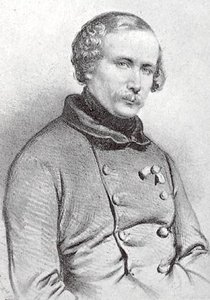
jenaro pérez villaamil
1807 - 1854
Quick Facts
- Artistic Movement Or Style: Neoclassicism
- Artists Who Influenced This Artist: ['Joseph Johann Kauffmann],\n "Artists or movements influenced by this artist": ["Neoclassicism"]\n}']
- Date Of Birth: 30 Oct 1741
- Date Of Death: 5 Nov 1807
- Full Name: Angelica Kauffman
- Nationality: Swiss
- Notable Artworks:
- Antinous Mondragone
- Portrait of Ludwig
- Paradise Lost Illustrations
- Place Of Birth: Chur, Switzerland

