 Preview
 Send
Send Share
Share
 Details

 Download
 Similars
 X-Ray
X-Ray Diaporama
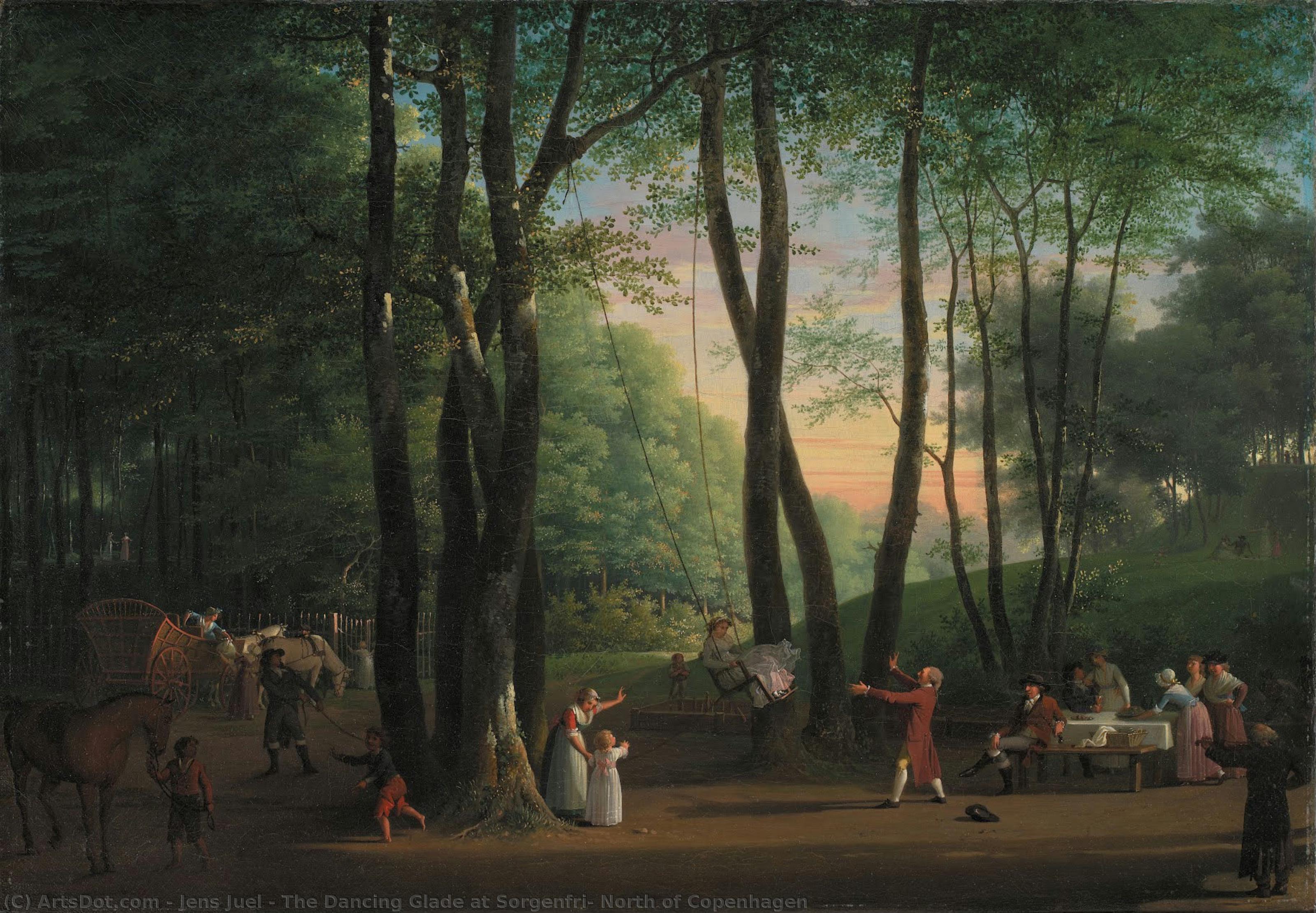
The Dancing Glade at Sorgenfri, North of Copenhagen
 1800
1800 61.0 x 42.0 cm
 National Gallery of Denmark
 Read More
Hand Made Oil Reproduction
Hand-painted oil on canvas in your size and frame, made to order by our artists. ( Buy Print Buy Image)




































Pick from our preset sizes that match the artwork's original proportions.

You may enter your own dimensions to fit a specific frame or space. If your selected size does not match the original image's proportions, we will either crop the artwork or extend the painting with additional hand-painted elements. A digital mockup will be sent for your approval before production begins.
Please note that the on-screen preview does not reflect the actual cropping or extension. Only the mockup will accurately show the final composition.
While custom sizes are available, we recommend selecting a dimension from the predefined list to preserve the original proportions.
After order, ArtsDot.com team will email client for instructions and provide a mockup preview
Worldwide Delivery () in 3/4 weeks instead of standard 5 weeks. (27 August). No compromise on quality.

Free Worldwide Express Shipping

High-Quality Linen Canvas

Full Shipping Insurance

Customs Tax Refund Guarantee

True Color Matching Guarantee

60-Day Return Policy (Defects Only)

100% Money-Back Guarantee

Bulk Discount Offer
 Glass option is only available in size under 110 CM

The Dancing Glade at Sorgenfri, North of Copenhagen
Reproduction Medium
Reproduction Size
-


Total Price
$ 263
Artwork Description
Related Artworks








Artist Biography
The Master of Danish Elegance: The Life and Legacy of Jens Juel
In the golden age of Danish Neoclassicism, few names command as much reverence as Jens Juel. A painter whose brush possessed the rare ability to capture not just a physical likeness, but the very soul and social standing of his subjects, Juel stands as the preeminent portraitist of his era. Born on May 12, 1745, in the house of his maternal uncle in Balslev, Denmark, his journey from modest beginnings to the heights of royal patronage is a testament to an extraordinary talent shaped by rigorous discipline and an insatiable curiosity for the world around him.
Juel’s artistic foundation was laid far from the halls of Copenhagen. His parents, recognizing his early inclination toward the arts, sent him to Hamburg to apprentice under the painter Johann Michael Gehrman. For five or six years, he immersed himself in the technical rigors of the craft, honing a skill set that would eventually allow him to master landscapes, genre scenes, and, most famously, the portrait. This period of intense study provided him with the versatility that would define his career, allowing him to move seamlessly between the intimate details of a single face and the expansive beauty of the natural world.
A Journey Through Europe's Artistic Heart
At just twenty years old, Juel moved to Copenhagen to attend the Royal Danish Academy of Art, where his brilliance was quickly recognized. His academic triumphs were significant; he was awarded the academy's small gold medal in 1767 and the prestigious great gold medal in 1771 for works centered on Biblical themes. However, the confines of the academy could not hold a spirit as expansive as his. Seeking the pulse of the contemporary art world, Juel embarked on a grand European tour that would refine his Neoclassical sensibilities.
His travels took him to the timeless grandeur of Rome, where he spent four years alongside fellow Danish artists like Nicolai Abildgaard, absorbing the classical influences that would later permeate his work. From Italy, he journeyed to Paris, the epicenter of portraiture, and eventually to Geneva. In Switzerland, residing at the home of his friend Charles Bonnet, Juel’s reputation flourished. It was here that he demonstrated his ability to blend scientific observation with artistic grace, even illustrating the Naturalist and Philosophical History of Bonnet. These international experiences infused his Danish roots with a cosmopolitan sophistication, making him a bridge between Northern European tradition and the broader European Enlightenment.
The Soul Behind the Canvas
What truly distinguishes Jens Juel from his contemporaries was his ability to construct more than mere likenesses; he created tableaux of elegance and quiet contemplation. Whether painting the refined aristocracy or the gentle light of a landscape, his work is characterized by a sense of classical realism and an understated beauty. His portraits often feature subjects with gazes that are direct yet subtly distant, inviting the viewer into a private, almost sacred moment of connection.
His historical significance cannot be overstated. As the leading Danish portrait painter of the 18th century, he shaped the visual identity of the Danish Golden Age. His legacy is preserved in vast collections, most notably at Frederiksborg Castle, where his many portraits continue to breathe life into the history of the Danish monarchy and nobility. Through his mastery of light, texture, and human emotion, Jens Juel remains a timeless figure, reminding us that true art does not merely record history—it captures the very essence of the human experience.
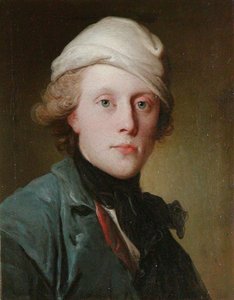
jens juel
1745 - 1802 , Denmark
Quick Facts
- Artistic Movement Or Style: English school
- Artists Or Movements Influenced By This Artist: ['Romantic literature']
- Artists Who Influenced This Artist: ['Richardson the elder']
- Date Of Birth: November 10, 1697
- Full Name: William Hogarth
- Nationality: English
- Notable Artworks:
- A Rake’s Progress
- Marriage a-la-mode
- Place Of Birth: London, England