 Preview
 Send
Send Share
Share
 Details

 Download
 Similars
 X-Ray
X-Ray Diaporama
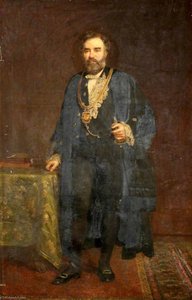
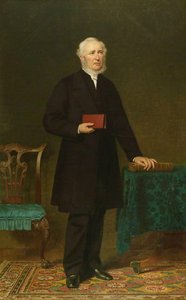
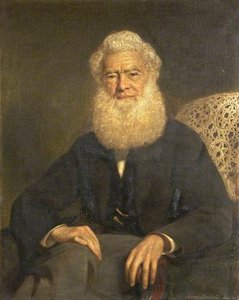
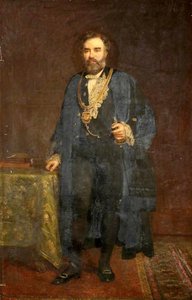
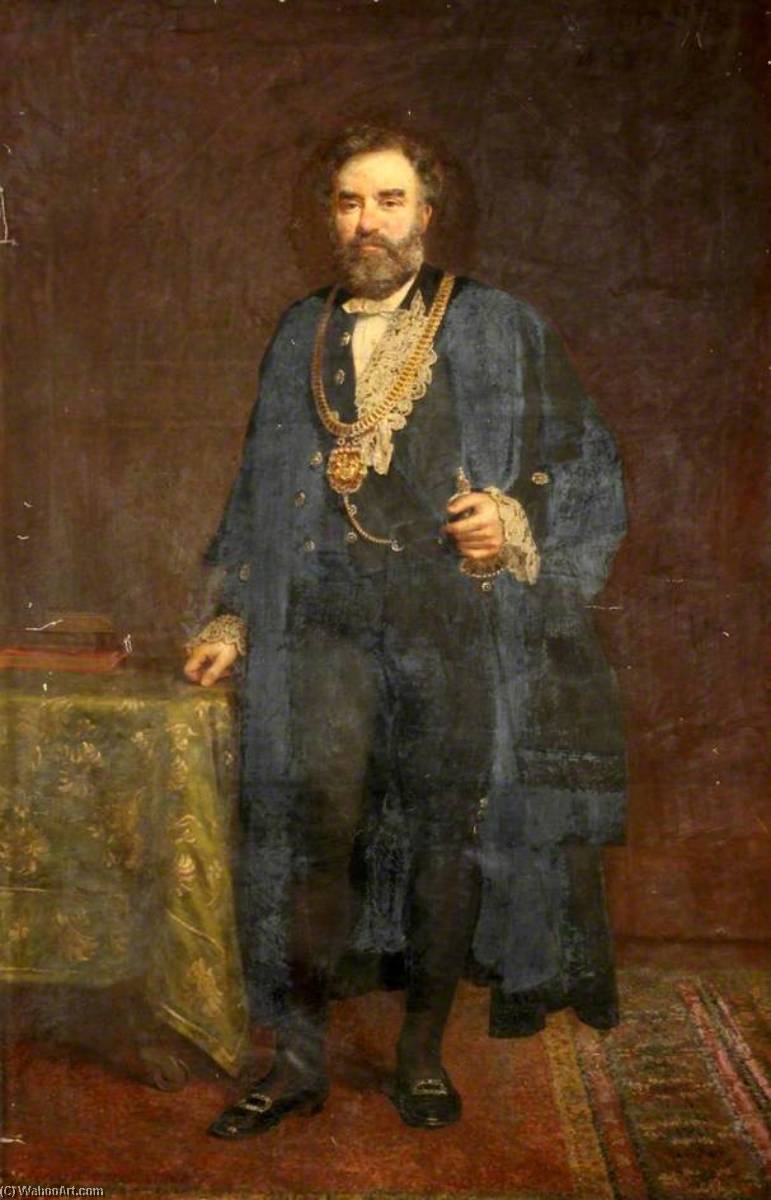
John Hughes (1830–1895), Mayor of Liverpool
 1883
1883 241.0 x 149.0 cm
 Walker Art Gallery
 Read More
Giclée / Art Print
Museum-quality giclée or canvas print with fast production and flexible finish options. ( Buy Hand Made Painting Buy Image)




































Pick from our preset sizes that match the artwork's original proportions.

You may enter your own dimensions to fit a specific frame or space. If your selected size does not match the original image's proportions, we will either crop the artwork or extend the image with a mirrored or solid-fill edge. A digital mockup will be sent for your approval before production begins.
Please note that the on-screen preview does not reflect the actual cropping or extension. Only the mockup will accurately show the final composition.
While custom sizes are available, we recommend selecting a dimension from the predefined list to preserve the original proportions.
Worldwide Delivery () in 2 weeks instead of standard 4/5 weeks. (24 August)

Free Worldwide Express Shipping

High-Quality Linen Canvas

Full Shipping Insurance

Customs Tax Refund Guarantee

True Color Matching Guarantee

60-Day Return Policy (Defects Only)

100% Money-Back Guarantee

Bulk Discount Offer
 Glass option is only available in size under 110 CM

John Hughes (1830–1895), Mayor of Liverpool
Giclée / Art Print
Reproduction Size
-


Total Price
$ 63
Related Artworks








Artist Biography
A Victorian Visionary: The Life and Legacy of Jerry Barrett
Born in 1824 amidst the industrial heart of Newcastle upon Tyne, Jerry Barrett emerged as a profound voice within the British art scene of the Victorian era. His life and work were deeply intertwined with the moral earnestness and historical fascination that defined his age. Trained under the rigorous tutelage of the celebrated watercolorist William Haydon III, Barrett developed a technical foundation rooted in anatomical precision and realistic rendering. This disciplined approach allowed him to transcend mere imitation, enabling him to capture the raw, human essence of his subjects with a level of detail that commanded both respect and emotional resonance from his contemporaries.
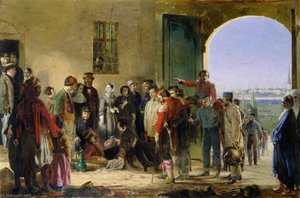
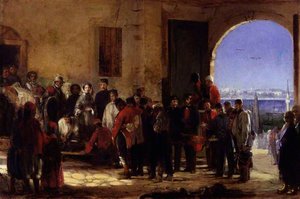
The trajectory of Barrett’s career was irrevocably altered by the shadows of conflict and the light of humanitarian heroism. During the Crimean War, Barrett sought more than just subject matter; he sought truth. Documentation suggests he traveled to the Crimea itself to obtain firsthand sketches, a pursuit that imbued his later masterpieces with an unflinching authenticity. His most enduring legacy remains his profound connection to Florence Nightingale. Through works such as The Mission of Mercy: Nightingale receiving the wounded at Scutari (1858), Barrett did not merely document medical history; he translated the harrowing realities of the Scutari Hospital into a visual narrative of compassion and tireless advocacy. These paintings served as powerful conduits for the era's humanitarian ideals, immortalizing the struggle for improved sanitation and patient care.
Mastery of Light and Narrative Technique
Barrett’s artistic language was one of subtle complexity, characterized by a masterful command over both watercolor and oil. While he is often celebrated for his luminous watercolor washes that achieved remarkable atmospheric depth, his oil paintings possessed a classical grandeur. He frequently employed pyramidal compositions—a sophisticated technique inherited from the Renaissance masters—to instill his scenes with a sense of structural stability and monumental importance. This method allowed him to balance the chaotic energy of battle or the intimacy of a portrait with a timeless, dignified poise.
His ability to weave narrative into every brushstroke is evident in his diverse repertoire:
- Historical Realism: In works like Queen Victoria's First Visit to her Wounded Soldiers, Barrett captured the intersection of royal duty and military suffering with breathtaking clarity.
- Portraiture and Sentiment: Beyond the battlefield, his skill extended to evocative portraits such as Dr John Parry and romanticized scenes like Hide and Seek, where he utilized lush foliage and soft lighting to explore themes of beauty and tranquility.
- Classical Narrative: His depictions of naval legends, including The Death of Nelson and The Battle of Trafalgar, showcase his ability to render large-scale historical drama with unflinching realism and technical precision.
Historical Significance and Enduring Influence
The significance of Jerry Barrett lies in his role as a visual chronicler of the British soul during a period of immense transition. His work bridged the gap between the meticulous documentation required by history and the emotional depth required by art. By capturing the monumental shifts in medical care, the weight of imperial conflict, and the quiet dignity of individual lives, he provided a window into the Victorian psyche. His paintings, now held in prestigious institutions such as the National Portrait Gallery in London, continue to serve as vital historical documents.
Ultimately, Barrett was more than a painter; he was an observer of the human condition. Whether through the lens of a wartime correspondent or the eye of a classical portraitist, his dedication to capturing the spirit of his time ensures that his vision remains as luminous and impactful today as it was in the nineteenth century. His legacy persists in every carefully layered wash of color and every meticulously rendered detail that speaks of courage, mercy, and the enduring power of the visual narrative.
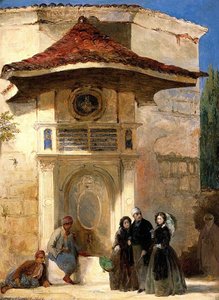
jerry barrett
1824 - 1906
Quick Facts
- Artistic Movement Or Style: Victorian Art
- Artists Or Movements Influenced By This Artist: ['Romanticism']
- Artists Who Influenced This Artist: ['William Holman Hunt']
- Date Of Birth: 1824
- Date Of Death: 1906
- Full Name: Jerry Barrett
- Nationality: British
- Notable Artworks: ['Florence Nightingale Portrait']
- Place Of Birth: England