

 Preview
 Send
Send Share
Share
 Details

 Download
 Similars
 X-Ray
X-Ray Diaporama
 Stats
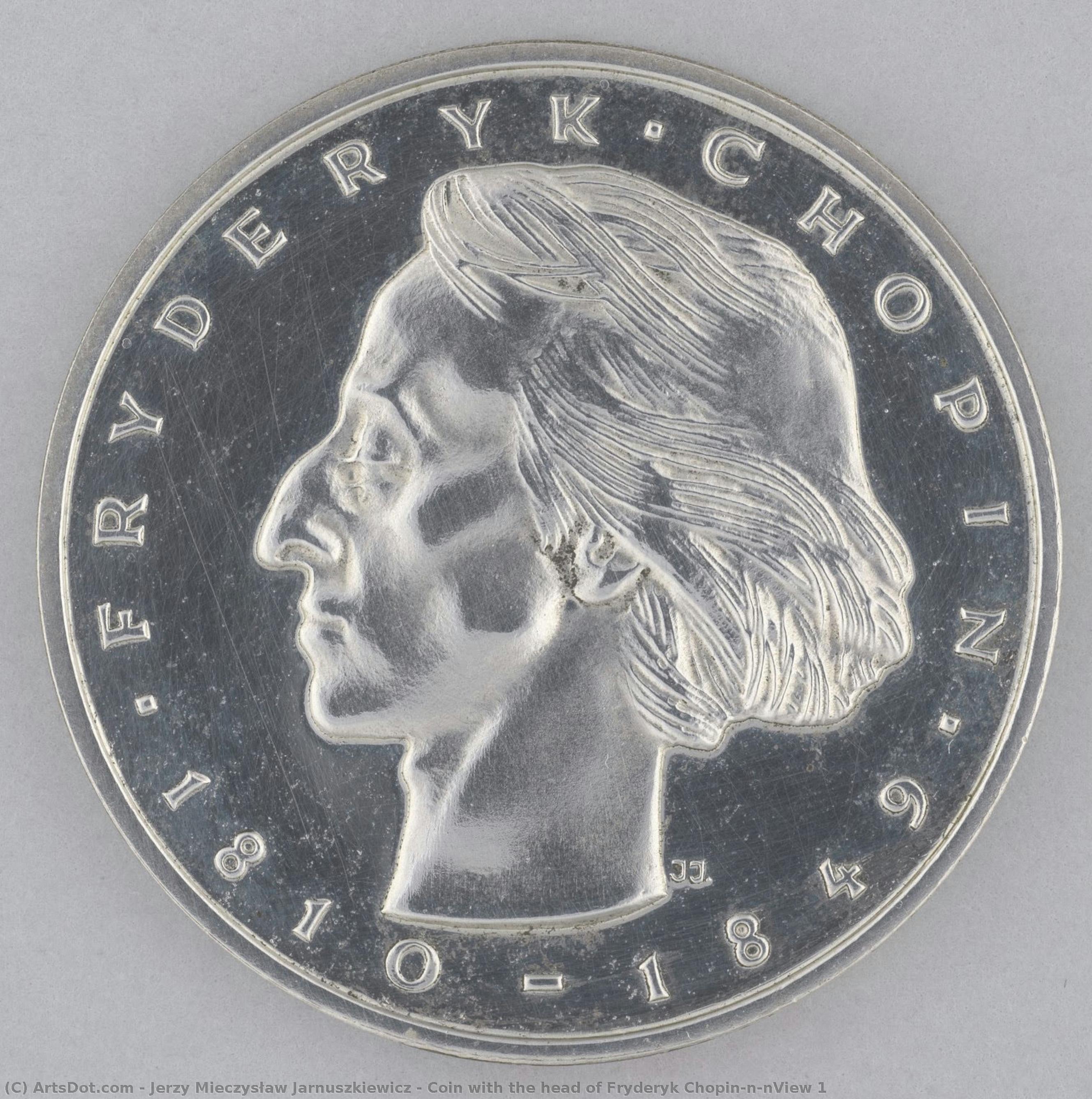
StatsCoin with the head of Fryderyk Chopin\n\nView 1

 Read More
Purchase a high-resolution, enhanced digital image, far superior to the online preview.
Each file is meticulously prepared by our in-house specialists using advanced tools and expert manual retouching. We ensure every image has exceptional clarity, precise color accuracy, and fine detail.
The final file is delivered via email within 72 hours, optimized for immediate use in professional, editorial, and print environments. This is the same quality trusted by top-tier design studios, publishers, and galleries.
Digital Image
Download a high-resolution file for personal display, printing, and creative projects. ( Switch to Print Buy Hand Made Painting)
Included in Every Digital Image Order
Expert Digital Delivery, Guaranteed
When you choose ArtsDot.com, you're not just getting an image - you're receiving a professionally enhanced digital artwork, crafted with precision and backed by a satisfaction guarantee. Here's everything that comes with your order, automatically:

Fast Email Delivery
Your high-resolution digital image file will be emailed to you within 72 hours of ordering - ready for immediate use.

AI-Enhanced Digital File
Your artwork is professionally optimized using advanced AI tools and manual editing, ensuring maximum detail, clarity, and color accuracy.

Free Lifetime Re-Delivery
Accidentally deleted or lost your file? No worries - we'll resend it to you anytime, free of charge.

No Import Fees - Ever
Enjoy your artwork instantly with zero customs, duties, or delivery fees - digital downloads are always tax-free.

Color Accuracy Guarantee
We ensure your digital image reflects the original colors as closely as possible using professional tools and color management.

100-Day Satisfaction Guarantee
If you're not satisfied with your digital image, we'll revise it or refund 100% within 100 days - no questions asked.

100% Money-Back Guarantee
Not satisfied? Get a full refund within 100 days of receiving your digital file - no questions asked.

Bulk Order Discounts
Buy 3 images, save 10% - Buy 5, save 15% - Buy 10+, save 20%. Great for creative projects, galleries, and agencies.
Related Artworks






Artist Biography
Early Life and Artistic Foundations
Jerzy Mieczysław Jarnuszkiewicz, born in Kalisz, Poland, on February 27th, 1919, emerged as a significant figure in Polish sculpture during a period of immense national upheaval and artistic transformation. His formative years were steeped in the rich cultural traditions of interwar Poland, but quickly shadowed by the looming threat of World War II. Jarnuszkiewicz’s initial training began at the School of Decorative Art and Industrial Crafts in Kraków (1936-1938), followed by studies at the Municipal School of Decorative Arts and Painting in Warsaw (1938-1939). These early experiences laid a foundation in traditional techniques, but his artistic trajectory was irrevocably altered by the outbreak of conflict. The war years saw him collaborating with sculptor Stanisław Komaszewski, focusing on wood engraving and *ex libris* design—a subtle act of resistance and preservation of artistry amidst widespread destruction. This period instilled in him not only technical skill but also a profound sensitivity to form and narrative, qualities that would define his later work. He continued his formal education at the Academy of Fine Arts in Warsaw (1939-1947), navigating the challenges of post-war reconstruction and the evolving artistic landscape.A Professor’s Influence: Shaping Generations
Following the war, Jarnuszkiewicz became deeply involved in rebuilding Poland's cultural infrastructure. He contributed to the Bureau for the Reconstruction of the Capital and simultaneously began a long and influential career as an educator. From 1950 until his retirement in 1984, he served as a professor at the Academy of Fine Arts in Warsaw, eventually leading the sculpture department. His pedagogical approach was renowned; he fostered critical thinking, encouraged experimentation, and instilled a deep respect for craftsmanship in generations of Polish sculptors. He wasn’t merely imparting technical skills but cultivating an artistic sensibility attuned to both national identity and universal human experiences. Jarnuszkiewicz's impact extended far beyond his own creations—he shaped the very direction of Polish sculpture for decades. His students remember him as a demanding yet inspiring mentor, one who championed individuality while grounding it in rigorous formal training.Monuments and Memory: Defining a National Narrative
Jarnuszkiewicz’s artistic output is characterized by a poignant blend of figurative realism and symbolic depth. He became particularly known for his monumental works, often commissioned to commemorate significant events or figures in Polish history. Perhaps his most iconic creation is the Monument to the Little Insurgent, originally designed as a student piece but later cast in bronze and erected in Warsaw in 1983. This sculpture—depicting a young boy soldier from the Warsaw Uprising—became an enduring symbol of courage, resilience, and national pride. It’s not simply a depiction of war; it's a powerful evocation of innocence lost and the unwavering spirit of resistance. Beyond this celebrated work, Jarnuszkiewicz created numerous other public sculptures, including a monument to Adam Asnyk in Kalisz (1960) and a deeply moving tribute to Pope John Paul II and Cardinal Stefan Wyszyński at the Catholic University of Lublin (1983). These works demonstrate his ability to translate complex historical narratives into accessible yet emotionally resonant forms.Style, Influences, and Artistic Development
Jarnuszkiewicz’s style evolved throughout his career, reflecting the shifting artistic currents of the 20th century. Initially influenced by socialist realism—a dominant aesthetic in post-war Poland—he gradually moved towards more modern and geometric forms. However, he never fully abandoned figurative representation, instead integrating abstract elements into his sculptures to enhance their symbolic power. His work also reveals a fascination with religious themes, evident in several of his later pieces. He explored diverse materials – bronze, stone, wood – each chosen for its unique textural qualities and expressive potential. His artistic journey was marked by a constant dialogue between tradition and innovation, a desire to honor the past while embracing new possibilities. His medal work also stands out as an important facet of his oeuvre, showcasing his mastery of detail and narrative compression.Legacy and Historical Significance
Jerzy Mieczysław Jarnuszkiewicz passed away in Warsaw on July 14th, 2005, leaving behind a rich artistic legacy that continues to resonate within Polish culture. He received numerous accolades throughout his life, including the Order of Polonia Restituta, the Banner of Labor Order, and the Gold Cross of Merit—testaments to his significant contributions to art and society. His sculptures are not merely aesthetic objects; they are powerful reminders of Poland’s complex history, its struggles for independence, and its enduring spirit. The Monument to the Little Insurgent, in particular, has become an integral part of Warsaw's collective memory, a symbol that transcends generations. Jarnuszkiewicz’s work stands as a testament to the power of art to shape national identity, commemorate sacrifice, and inspire hope—a legacy that ensures his place among Poland’s most important sculptors.- Born: Kalisz, Poland (1919)
- Died: Warsaw, Poland (2005)
- Key Works: Monument to the Little Insurgent, Adam Asnyk Monument, Pope John Paul II and Cardinal Stefan Wyszyński Memorial
- Influences: Socialist Realism, Modern Sculpture, Religious Art

jerzy mieczysław jarnuszkiewicz
1919 - 2005 , Poland
Quick Facts
- Artistic Movement Or Style: Figurative sculpture
- Date Of Birth: February 27, 1919
- Date Of Death: July 14, 2005
- Full Name: Jerzy Mieczysław Jarnuszkiewicz
- Nationality: Polish
- Notable Artworks:
- Small Insurgent Monument
- Adam Asnyk Monument
- Chopin Coin
- Pope John Paul II Memorial
- Place Of Birth: Kalisz, Poland