

 Preview
 Send
Send Share
Share
 Details

 Download
 Similars
 X-Ray
X-Ray Diaporama
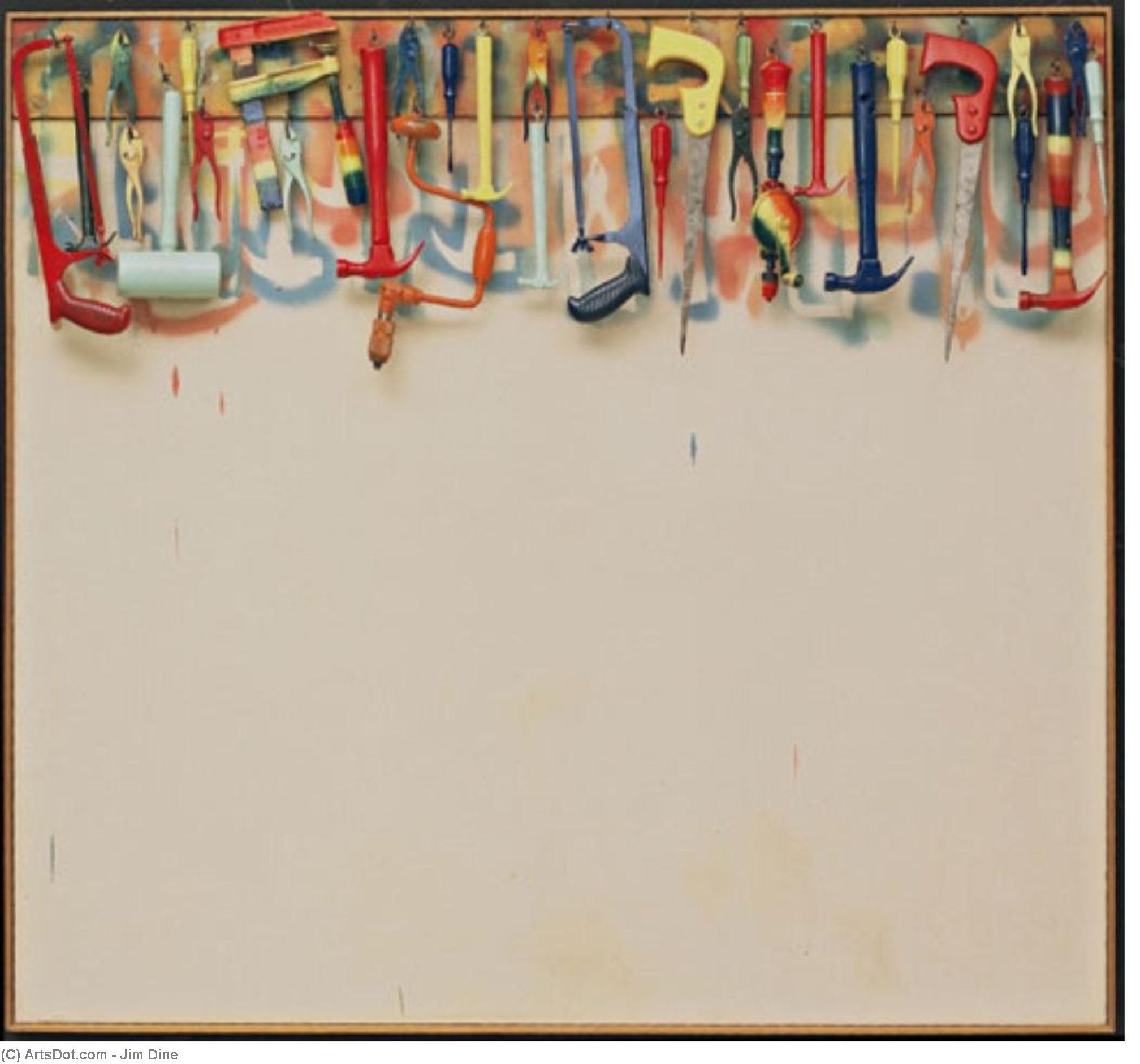
Five Feet of Colorful Tools


 Read More
Purchase a high-resolution, enhanced digital image, far superior to the online preview.
Each file is meticulously prepared by our in-house specialists using advanced tools and expert manual retouching. We ensure every image has exceptional clarity, precise color accuracy, and fine detail.
The final file is delivered via email within 72 hours, optimized for immediate use in professional, editorial, and print environments. This is the same quality trusted by top-tier design studios, publishers, and galleries.
Digital Image
Download a high-resolution file for personal display, printing, and creative projects. ( Buy Print Buy Hand Made Painting)
Included in Every Digital Image Order
Expert Digital Delivery, Guaranteed
When you choose ArtsDot.com, you're not just getting an image - you're receiving a professionally enhanced digital artwork, crafted with precision and backed by a satisfaction guarantee. Here's everything that comes with your order, automatically:

Fast Email Delivery
Your high-resolution digital image file will be emailed to you within 72 hours of ordering - ready for immediate use.

AI-Enhanced Digital File
Your artwork is professionally optimized using advanced AI tools and manual editing, ensuring maximum detail, clarity, and color accuracy.

Free Lifetime Re-Delivery
Accidentally deleted or lost your file? No worries - we'll resend it to you anytime, free of charge.

No Import Fees - Ever
Enjoy your artwork instantly with zero customs, duties, or delivery fees - digital downloads are always tax-free.

Color Accuracy Guarantee
We ensure your digital image reflects the original colors as closely as possible using professional tools and color management.

60-Day Satisfaction Guarantee
If you're not satisfied with your digital image, we'll revise it or refund 100% within 60 days - no questions asked.

100% Money-Back Guarantee
Not satisfied? Get a full refund within 60 days of receiving your digital file - no questions asked.

Bulk Order Discounts
Buy 3 images, save 10% - Buy 5, save 15% - Buy 10+, save 20%. Great for creative projects, galleries, and agencies.
Collectible Description
Vibrant Celebration of Everyday Objects
Immerse yourself in a striking visual dialogue that elevates the mundane to the extraordinary. This artwork features an array of colorful tools, primarily hammers, meticulously arranged along the top of a vast, blank canvas. The composition transforms familiar, utilitarian objects into a lively tapestry of color and form, inviting viewers to reconsider the beauty and significance of everyday craftsmanship. The playful yet chaotic arrangement captures a sense of spontaneity, making it a captivating centerpiece for both modern interiors and art collections that appreciate the intersection of art and daily life.Distinctive Style and Technique
Created in a modern, abstracted realism style with elements reminiscent of pop art, this piece employs bold, contrasting colors—reds, blues, yellows, and oranges—that command attention. The artist’s expressive brushwork and layered paint application add tactile richness, emphasizing the textures and shapes of each tool. The use of acrylic or oil paints enhances the vibrancy, while the deliberate arrangement and overlapping objects create a dynamic sense of movement. The diffuse lighting and subtle shadows lend a three-dimensional quality, balancing abstraction with recognizable forms.Historical Context and Artistic Significance
Emerging from the vibrant landscape of 20th-century American pop art, this work echoes the movement’s fascination with consumer culture and everyday objects. Jim Dine, a pivotal figure in the neo-Dada and pop art movements, often explored themes of labor, memory, and identity through familiar motifs. This piece exemplifies his innovative approach to elevating ordinary tools into symbols of craftsmanship, creativity, and human effort. Its playful composition and bold palette reflect a celebration of manual work and the artistic process, resonating with the cultural shifts of the 1960s.Symbolism and Emotional Impact
At its core, the artwork symbolizes the foundational elements of creation—tools that represent labor, skill, and the potential for building and transformation. The vibrant colors evoke energy, optimism, and the joy of artistic expression. For viewers and collectors, it offers a reminder of the beauty in the mundane and the power of imagination. The expansive empty space below the tools suggests limitless potential, inspiring a sense of hope and possibility. This piece invites viewers to reflect on their own creative journeys and the value of craftsmanship in everyday life.A Perfect Addition for Collectors and Interior Design
Whether displayed in a contemporary home, a creative workspace, or an art collection, this artwork serves as a bold statement piece that sparks conversation and admiration. Its vibrant palette and dynamic composition make it ideal for adding color and energy to any environment. As a high-quality reproduction, it offers art lovers and interior designers an opportunity to bring a piece of modern artistic innovation into their spaces—celebrating craftsmanship, creativity, and the joy of visual exploration.Related Artworks

Artist Biography
Early Life and Artistic Foundations
Jim Dine, born in Cincinnati, Ohio, in 1935, emerged as a pivotal figure bridging the gap between Abstract Expressionism and the burgeoning Pop Art movement. His formative years were steeped in artistic exploration, beginning with evening classes at the Art Academy of Cincinnati under the tutelage of Paul Chidlaw – an experience that instilled within him a deep appreciation for draftsmanship and direct observation. This early training was further solidified by his Bachelor of Fine Arts degree from Ohio University in 1957, laying the groundwork for a career defined by its restless innovation and deeply personal iconography.
Dine’s artistic sensibility wasn't solely shaped by formal education; it was profoundly influenced by his upbringing. The sights and textures of his grandfather’s hardware store – the tools, the materials, the very atmosphere of practical utility – would later become recurring motifs in his work, imbued with a poignant sense of memory and personal narrative. These weren’t merely objects to be depicted, but vessels carrying echoes of childhood experience and familial connection.
The Rise of Happenings and Pop Art Pioneer
By the late 1950s, Dine had relocated to New York City, a crucible of artistic experimentation. He quickly became involved in the avant-garde scene, collaborating with artists like Claes Oldenburg, Allan Kaprow, and musician John Cage to create “happenings” – chaotic, multi-sensory performances that challenged conventional notions of art. His own happening, “30-second the smiling worker,” performed in 1959, was a deliberately disruptive event, a rejection of the prevailing seriousness of Abstract Expressionism and a foreshadowing of the playful irreverence that would characterize Pop Art.
Dine’s inclusion in the groundbreaking 1962 exhibition “New Painting of Common Objects” at the Norton Simon Museum alongside artists like Roy Lichtenstein and Andy Warhol cemented his position within this emerging movement. This exhibition is now recognized as a watershed moment, signaling a shift in American art towards embracing popular culture and everyday objects as legitimate subjects for artistic exploration. Dine’s canvases from this period began to incorporate these commonplace items – tools, clothing, domestic implements – transforming them into powerful symbols of identity, memory, and the human condition.
Assemblage, Autobiography, and Artistic Evolution
The early 1960s saw Dine develop his signature style of assemblage, attaching real objects directly to painted canvases. Works like “Job #1” (1962), now held in the Honolulu Museum of Art’s collection, exemplify this approach – a chaotic yet carefully arranged composition featuring paint cans, brushes, screwdrivers, and pieces of wood. These assemblages weren't simply about depicting objects; they were about creating a tactile, visceral experience for the viewer, blurring the boundaries between painting and sculpture.
Despite achieving both critical and commercial success with this work, Dine expressed growing dissatisfaction with its perceived limitations. A controversial incident in 1966 – a police raid on an exhibition of his work at Robert Fraser’s gallery in London – further fueled his desire to explore new artistic avenues. Following the raid, he relocated to London for four years, continuing to develop his art under Fraser's representation.
Upon returning to the United States in 1971, Dine embarked on a period of intense drawing, honing his skills and exploring more introspective themes. From the late 1970s onward, sculpture regained prominence in his work, followed by a shift towards depicting nature – landscapes, flowers, and particularly Pinocchio – as opposed to man-made objects. This evolution reflects a deepening engagement with timeless myths and archetypes, alongside an enduring fascination with the power of imagery.
Legacy and Enduring Influence
Jim Dine’s influence extends far beyond the realm of visual art. His work has resonated with artists across disciplines, notably inspiring James Rado, co-writer of the musical “Hair,” who attributed the show’s very name to a Dine piece entitled “Hair.” Throughout his career, Dine has received numerous accolades, including election into the National Academy of Design and major retrospective exhibitions at institutions like the Walker Art Center and the Whitney Museum of American Art.
His public art installations – most notably the nine-meter-high bronze statue “Walking to Borås” in Sweden and a similar sculpture of Pinocchio at the Cincinnati Art Museum – demonstrate his ability to translate his artistic vision into monumental forms that engage with public space. The "Technicolor Heart," a vibrant sculpture gracing the campus of Washington State University, further exemplifies his commitment to creating accessible and emotionally resonant art.
Today, Jim Dine continues to create, pushing boundaries and challenging conventions. His work remains a powerful testament to the enduring power of personal experience, memory, and the transformative potential of art – a legacy that ensures his place as one of the most important American artists of the 20th and 21st centuries.

Jim Dine
1935 - , United States of America
Quick Facts
- Artistic Movement Or Style: Pop Art, Neo-Dada
- Artists Or Movements Influenced By This Artist:
- James Rado
- Hair musical
- Artists Who Influenced This Artist: ['Paul Chidlaw']
- Date Of Birth: 1935
- Full Name: Jim Dine
- Nationality: American
- Notable Artworks:
- Job #1
- Untitled (2)
- Braid
- Walking to Borås
- Technicolor Heart
- Place Of Birth: Cincinnati, USA

