

 Preview
 Send
Send Share
Share
 Details

 Download
 Similars
 X-Ray
X-Ray Diaporama
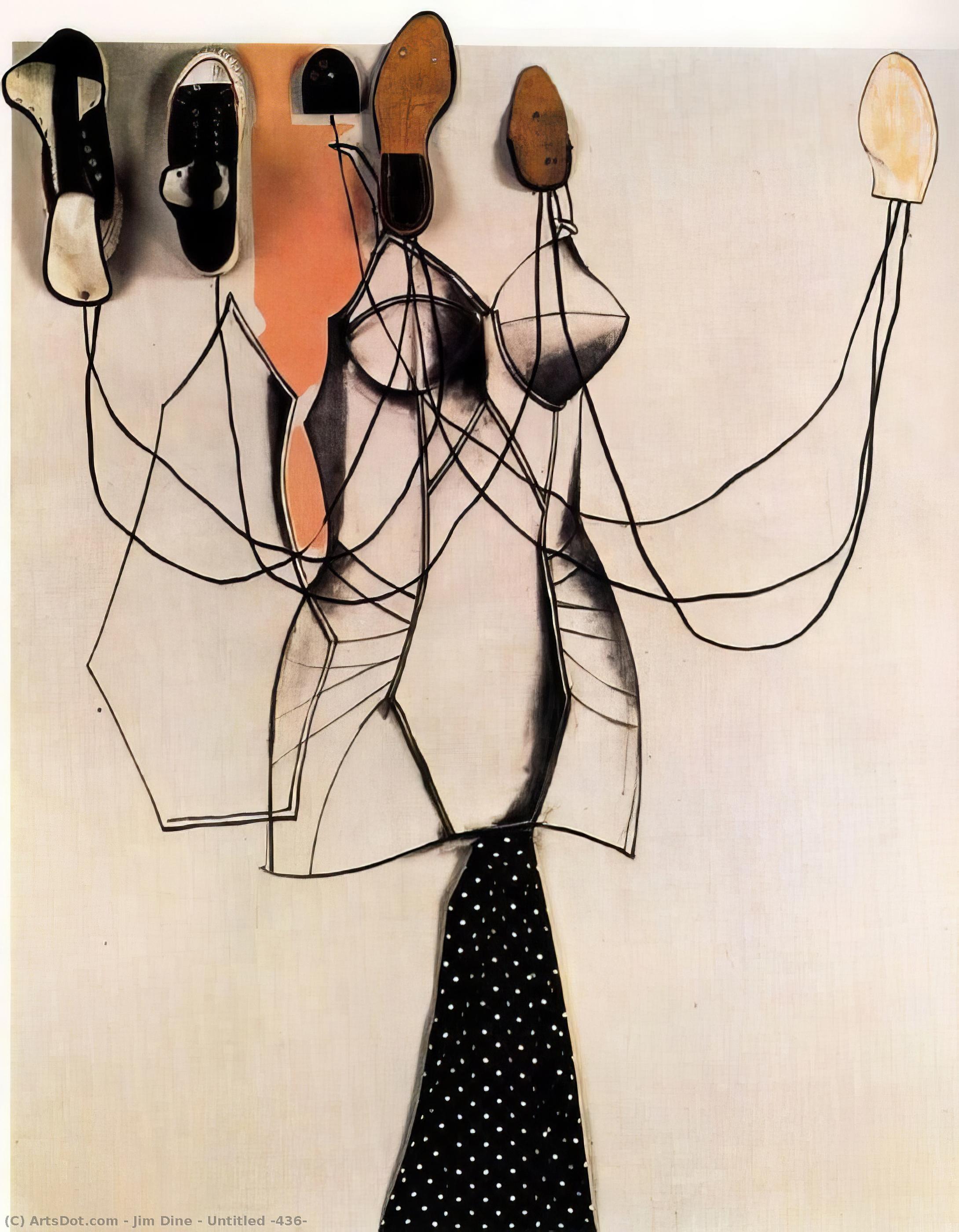
Untitled (436)


 Read More
Purchase a high-resolution, enhanced digital image, far superior to the online preview.
Each file is meticulously prepared by our in-house specialists using advanced tools and expert manual retouching. We ensure every image has exceptional clarity, precise color accuracy, and fine detail.
The final file is delivered via email within 72 hours, optimized for immediate use in professional, editorial, and print environments. This is the same quality trusted by top-tier design studios, publishers, and galleries.
Digital Image
Download a high-resolution file for personal display, printing, and creative projects. ( Buy Print Buy Hand Made Painting)
Included in Every Digital Image Order
Expert Digital Delivery, Guaranteed
When you choose ArtsDot.com, you're not just getting an image - you're receiving a professionally enhanced digital artwork, crafted with precision and backed by a satisfaction guarantee. Here's everything that comes with your order, automatically:

Fast Email Delivery
Your high-resolution digital image file will be emailed to you within 72 hours of ordering - ready for immediate use.

AI-Enhanced Digital File
Your artwork is professionally optimized using advanced AI tools and manual editing, ensuring maximum detail, clarity, and color accuracy.

Free Lifetime Re-Delivery
Accidentally deleted or lost your file? No worries - we'll resend it to you anytime, free of charge.

No Import Fees - Ever
Enjoy your artwork instantly with zero customs, duties, or delivery fees - digital downloads are always tax-free.

Color Accuracy Guarantee
We ensure your digital image reflects the original colors as closely as possible using professional tools and color management.

60-Day Satisfaction Guarantee
If you're not satisfied with your digital image, we'll revise it or refund 100% within 60 days - no questions asked.

100% Money-Back Guarantee
Not satisfied? Get a full refund within 60 days of receiving your digital file - no questions asked.

Bulk Order Discounts
Buy 3 images, save 10% - Buy 5, save 15% - Buy 10+, save 20%. Great for creative projects, galleries, and agencies.
Collectible Description
Exploring the Fusion of Form and Materiality
This captivating mixed media artwork masterfully blends abstract expressionism with assemblage techniques, creating a layered composition that invites viewers into a world of fragmented identity and human emotion. Through the innovative use of everyday objects—shoes, fabric, and drawn lines—the artist constructs a loosely humanoid figure that embodies both vulnerability and resilience. The piece’s tactile richness and dynamic arrangement evoke a visceral response, making it a compelling centerpiece for collectors and interior designers alike seeking to add depth and conversation to their spaces.Style and Technique: A Playful yet Thought-Provoking Approach
Rooted in the Neo-Dada movement, this artwork employs a spontaneous, gestural technique that emphasizes spontaneity and raw expression. The artist combines three-dimensional objects with delicate line drawing and subtle painting, creating a hybrid form that blurs the boundaries between sculpture and drawing. The use of contrasting textures—smooth painted surfaces, rough shoes, and tactile fabric—enhances the sensory experience, while the restrained color palette of neutrals accented by soft peach and orange adds warmth and subtle vibrancy. The composition’s layered approach encourages viewers to explore the interplay between materiality and form, making each viewing experience unique.Historical Context and Artistic Significance
Emerging from the vibrant post-war American art scene, this piece reflects the experimental spirit of the Neo-Dada movement, which challenged traditional notions of art by incorporating everyday objects and emphasizing process over perfection. Artists like Jim Dine pioneered this approach, transforming mundane items into powerful symbols of personal and collective identity. This artwork echoes that legacy, embodying a playful yet introspective exploration of self-perception, societal expectations, and the human condition. Its assemblage technique aligns with the broader movement’s emphasis on spontaneity, materiality, and the democratization of art.Symbolism and Emotional Resonance
At its core, the artwork explores themes of fragmentation, identity, and transformation. The shoes, often associated with movement and life journeys, symbolize personal history and the passage of time. The loosely drawn lines suggest internal pathways—emotional, psychological, or physical—highlighting the complexity of human experience. The polka-dotted fabric grounds the figure, adding a layer of playfulness and societal commentary, perhaps hinting at notions of femininity or societal roles. Overall, the piece evokes a sense of introspection, inviting viewers to reflect on their own identities and emotional landscapes.Perfect for Inspiration and Interior Enhancement
Whether displayed in a modern living room, a creative office, or a curated gallery space, this artwork offers a rich visual narrative that sparks conversation and introspection. Its layered textures and symbolic depth make it an ideal high-quality reproduction for art lovers, collectors, and interior designers seeking a statement piece that combines conceptual depth with aesthetic appeal. This work not only enhances interior environments but also inspires a deeper appreciation for the innovative spirit of contemporary assemblage art.Related Artworks
Artist Biography
Early Life and Artistic Foundations
Jim Dine, born in Cincinnati, Ohio, in 1935, emerged as a pivotal figure bridging the gap between Abstract Expressionism and the burgeoning Pop Art movement. His formative years were steeped in artistic exploration, beginning with evening classes at the Art Academy of Cincinnati under the tutelage of Paul Chidlaw – an experience that instilled within him a deep appreciation for draftsmanship and direct observation. This early training was further solidified by his Bachelor of Fine Arts degree from Ohio University in 1957, laying the groundwork for a career defined by its restless innovation and deeply personal iconography.
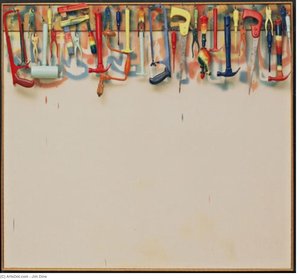
Dine’s artistic sensibility wasn't solely shaped by formal education; it was profoundly influenced by his upbringing. The sights and textures of his grandfather’s hardware store – the tools, the materials, the very atmosphere of practical utility – would later become recurring motifs in his work, imbued with a poignant sense of memory and personal narrative. These weren’t merely objects to be depicted, but vessels carrying echoes of childhood experience and familial connection.
The Rise of Happenings and Pop Art Pioneer
By the late 1950s, Dine had relocated to New York City, a crucible of artistic experimentation. He quickly became involved in the avant-garde scene, collaborating with artists like Claes Oldenburg, Allan Kaprow, and musician John Cage to create “happenings” – chaotic, multi-sensory performances that challenged conventional notions of art. His own happening, “30-second the smiling worker,” performed in 1959, was a deliberately disruptive event, a rejection of the prevailing seriousness of Abstract Expressionism and a foreshadowing of the playful irreverence that would characterize Pop Art.
Dine’s inclusion in the groundbreaking 1962 exhibition “New Painting of Common Objects” at the Norton Simon Museum alongside artists like Roy Lichtenstein and Andy Warhol cemented his position within this emerging movement. This exhibition is now recognized as a watershed moment, signaling a shift in American art towards embracing popular culture and everyday objects as legitimate subjects for artistic exploration. Dine’s canvases from this period began to incorporate these commonplace items – tools, clothing, domestic implements – transforming them into powerful symbols of identity, memory, and the human condition.
Assemblage, Autobiography, and Artistic Evolution
The early 1960s saw Dine develop his signature style of assemblage, attaching real objects directly to painted canvases. Works like “Job #1” (1962), now held in the Honolulu Museum of Art’s collection, exemplify this approach – a chaotic yet carefully arranged composition featuring paint cans, brushes, screwdrivers, and pieces of wood. These assemblages weren't simply about depicting objects; they were about creating a tactile, visceral experience for the viewer, blurring the boundaries between painting and sculpture.
Despite achieving both critical and commercial success with this work, Dine expressed growing dissatisfaction with its perceived limitations. A controversial incident in 1966 – a police raid on an exhibition of his work at Robert Fraser’s gallery in London – further fueled his desire to explore new artistic avenues. Following the raid, he relocated to London for four years, continuing to develop his art under Fraser's representation.
Upon returning to the United States in 1971, Dine embarked on a period of intense drawing, honing his skills and exploring more introspective themes. From the late 1970s onward, sculpture regained prominence in his work, followed by a shift towards depicting nature – landscapes, flowers, and particularly Pinocchio – as opposed to man-made objects. This evolution reflects a deepening engagement with timeless myths and archetypes, alongside an enduring fascination with the power of imagery.
Legacy and Enduring Influence
Jim Dine’s influence extends far beyond the realm of visual art. His work has resonated with artists across disciplines, notably inspiring James Rado, co-writer of the musical “Hair,” who attributed the show’s very name to a Dine piece entitled “Hair.” Throughout his career, Dine has received numerous accolades, including election into the National Academy of Design and major retrospective exhibitions at institutions like the Walker Art Center and the Whitney Museum of American Art.
His public art installations – most notably the nine-meter-high bronze statue “Walking to Borås” in Sweden and a similar sculpture of Pinocchio at the Cincinnati Art Museum – demonstrate his ability to translate his artistic vision into monumental forms that engage with public space. The "Technicolor Heart," a vibrant sculpture gracing the campus of Washington State University, further exemplifies his commitment to creating accessible and emotionally resonant art.
Today, Jim Dine continues to create, pushing boundaries and challenging conventions. His work remains a powerful testament to the enduring power of personal experience, memory, and the transformative potential of art – a legacy that ensures his place as one of the most important American artists of the 20th and 21st centuries.

Jim Dine
1935 - , United States of America
Quick Facts
- Artistic Movement Or Style: Pop Art, Neo-Dada
- Artists Or Movements Influenced By This Artist:
- James Rado
- Hair musical
- Artists Who Influenced This Artist: ['Paul Chidlaw']
- Date Of Birth: 1935
- Full Name: Jim Dine
- Nationality: American
- Notable Artworks:
- Job #1
- Untitled (2)
- Braid
- Walking to Borås
- Technicolor Heart
- Place Of Birth: Cincinnati, USA

