 Preview
 Send
Send Share
Share
 Details

 Download
 Similars
 X-Ray
X-Ray Diaporama
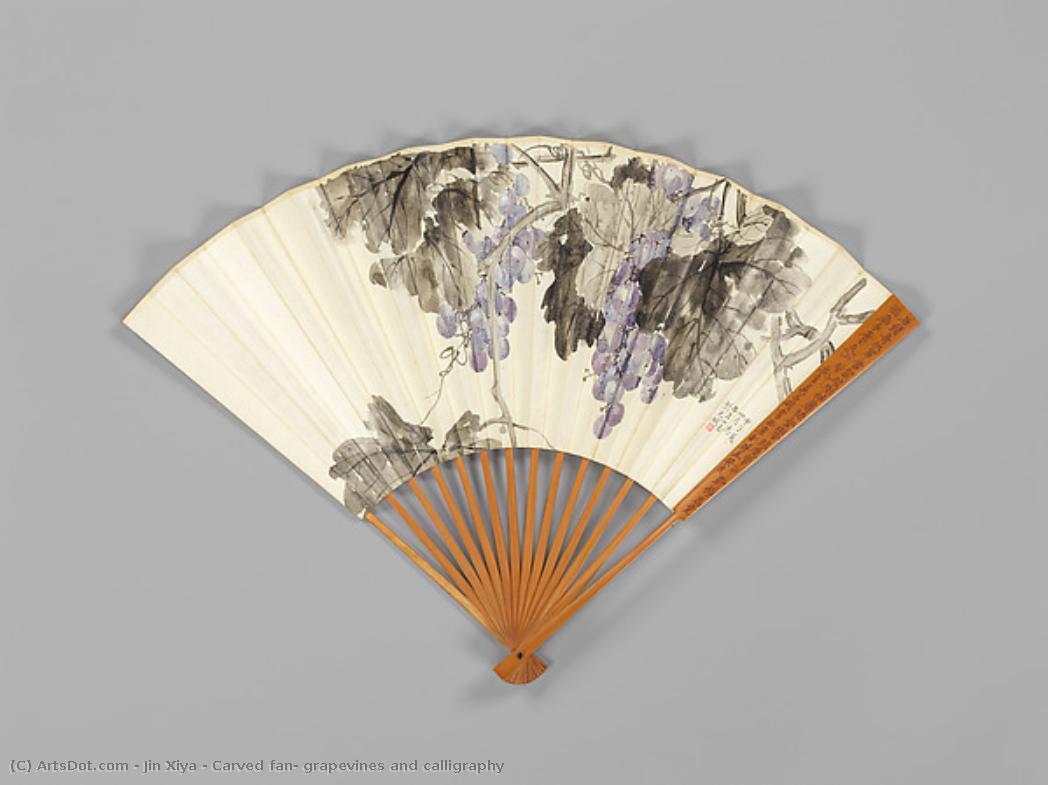
Carved fan, grapevines and calligraphy
 1924
1924 33.0 x 46.0 cm
 Read More
Hand Made Oil Reproduction
Hand-painted oil on canvas in your size and frame, made to order by our artists. ( Buy Print Buy Image)




































Pick from our preset sizes that match the artwork's original proportions.

You may enter your own dimensions to fit a specific frame or space. If your selected size does not match the original image's proportions, we will either crop the artwork or extend the painting with additional hand-painted elements. A digital mockup will be sent for your approval before production begins.
Please note that the on-screen preview does not reflect the actual cropping or extension. Only the mockup will accurately show the final composition.
While custom sizes are available, we recommend selecting a dimension from the predefined list to preserve the original proportions.
After order, ArtsDot.com team will email client for instructions and provide a mockup preview
Worldwide Delivery () in 3/4 weeks instead of standard 5 weeks. (22 August). No compromise on quality.

Free Worldwide Express Shipping

High-Quality Linen Canvas

Full Shipping Insurance

Customs Tax Refund Guarantee

True Color Matching Guarantee

60-Day Return Policy (Defects Only)

100% Money-Back Guarantee

Bulk Discount Offer
 Glass option is only available in size under 110 CM

Carved fan, grapevines and calligraphy
Reproduction Medium
Reproduction Size
-


Total Price
$ 263
Artwork Description
Related Artworks






Artist Biography
A Life Carved in Bamboo: The Art of Jin Xiya
Jin Xiya, also known as Jin Shaofang (1890-1979), stands as a pivotal figure in 20th-century Chinese bamboo carving. Born into an esteemed family in Nanxun, Zhejiang Province, his life was one of fascinating duality – a trained civil and bridge engineer who found his true calling not in constructing physical structures, but in meticulously crafting delicate worlds within the resilient stalks of bamboo. This unique background profoundly shaped his artistic vision, imbuing his work with both technical precision and a deep appreciation for natural form. He wasn’t merely an artisan; he was a scholar-artist who brought a refined sensibility to a traditional medium, elevating it to new heights of expressive power.From Engineering to Artistry: A Path Forged in Skill
Xiya's early education at St. Francis Xavier’s College laid the foundation for his analytical mind and disciplined approach. His subsequent career as an engineer instilled a mastery of spatial reasoning, structural integrity, and meticulous detail – qualities that would become hallmarks of his bamboo carving. However, it was his innate talent for calligraphy and painting, coupled with a growing fascination with the possibilities of bamboo, that ultimately steered him towards artistic pursuits. He adopted the name Xiya during his active period as an artist, becoming recognized by both monikers throughout his career. This transition wasn’t abrupt; rather, it represented a harmonious convergence of his diverse skills and passions. The precision demanded by engineering found a new outlet in the intricate carvings he began to create, while his calligraphic expertise informed the elegant inscriptions that often adorned his pieces.The Virtuoso Carver: Technique and Style
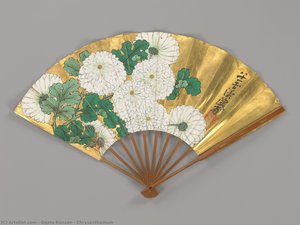
Jin Xiya’s reputation rests on his exceptional command of traditional bamboo intaglio carving techniques. He possessed an unparalleled ability to transform a seemingly rigid material into objects of breathtaking delicacy and nuance. His carvings are characterized by their remarkable depth, fluidity, and lifelike detail. He didn't simply depict subjects; he breathed life into them, capturing the essence of movement, emotion, and natural beauty. A key aspect of his style was collaboration with contemporary artists. He frequently incorporated designs – particularly calligraphy – contributed by fellow masters like Yang Jin (1876-1945), enriching his work with diverse artistic perspectives. His signature pieces often feature scenes from nature—birds amidst blossoming branches, landscapes rendered with astonishing realism—all meticulously carved onto the curved surface of the bamboo fan frames. The 1923 “Carved Fan, Chrysanthemum and Bird” exemplifies this collaborative spirit and showcases his exquisite painting skills alongside his carving prowess.Legacy and Historical Significance
Jin Xiya’s influence on Chinese bamboo art is undeniable. He represented a high point in the tradition, demonstrating the medium's capacity for profound artistic expression. His work bridged the gap between traditional craftsmanship and modern aesthetics, appealing to both connoisseurs of classical art and those seeking innovative forms of visual storytelling. While many bamboo carvers focused solely on technical skill, Xiya infused his creations with a poetic sensibility that resonated deeply with audiences. His pieces are now held in prestigious collections worldwide, including The Metropolitan Museum of Art, serving as enduring testaments to his artistry and vision. He is remembered not only for the beauty of his carvings but also for his dedication to preserving and revitalizing this ancient art form, ensuring its continued relevance for generations to come. His meticulous archival records, detailing each piece’s creation date and collaborative contributions, further underscore his commitment to scholarship and artistic integrity.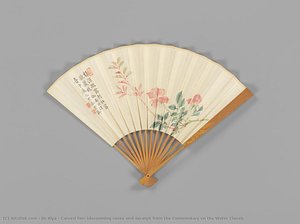
Quick Facts
- Artistic Movement Or Style: Bamboo carving, Fan art
- Date Of Birth: 1890
- Date Of Death: 1979
- Full Name: Jin Xiya
- Nationality: Chinese
- Notable Artworks: ['Carved fan, chrysanthemum and bird']
- Place Of Birth: Nanxun, China