 Preview
 Send
Send Share
Share
 Details

 Download
 Similars
 X-Ray
X-Ray Diaporama
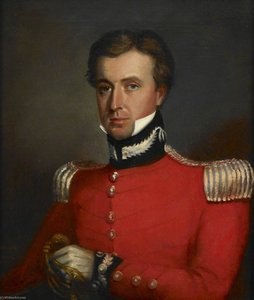
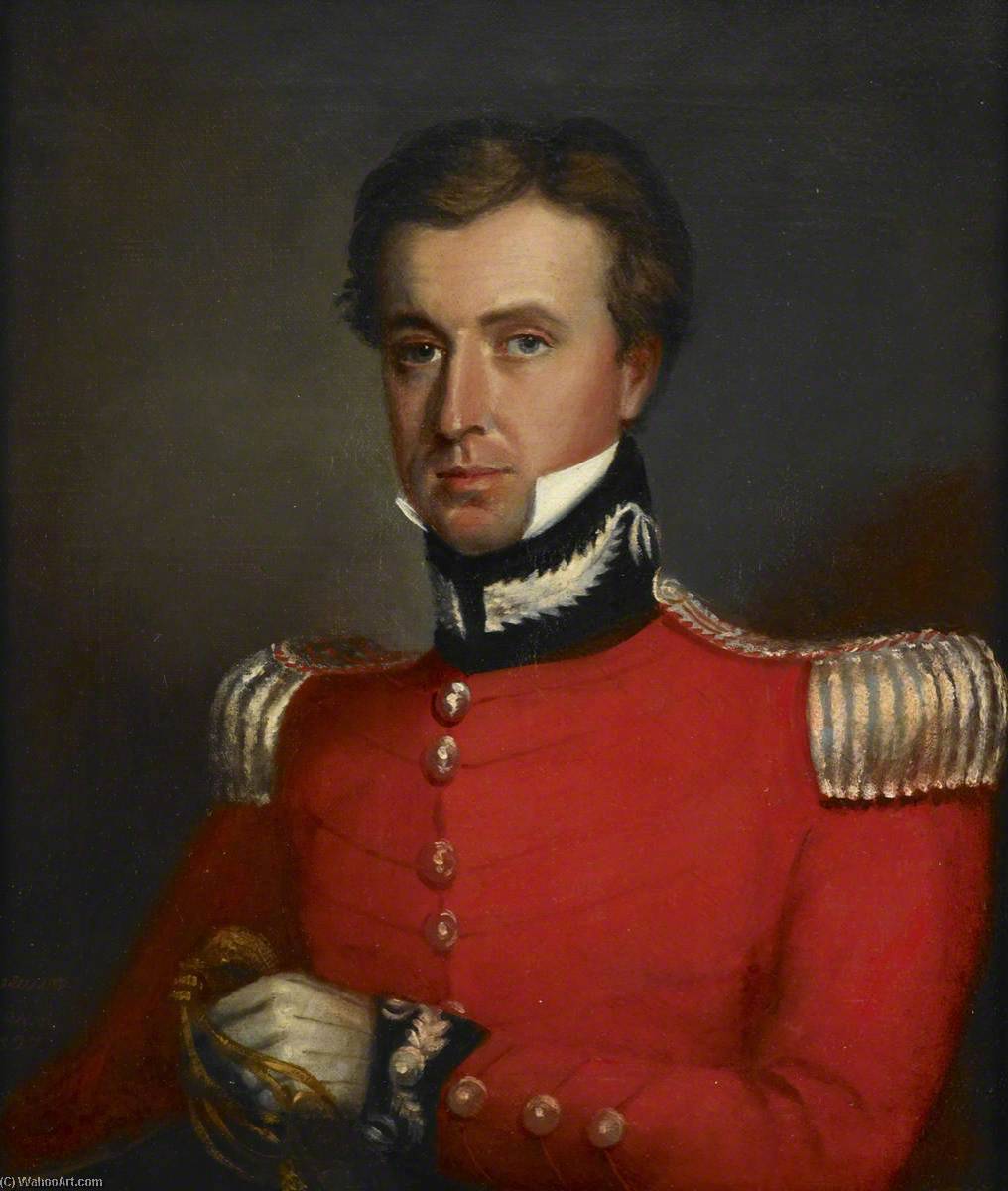
Captain William Garden (1790–1852), Bengal Native Infantry
 1827
1827 36.0 x 31.0 cm
 British Library
 Read More
Purchase a high-resolution, enhanced digital image, far superior to the online preview.
Each file is meticulously prepared by our in-house specialists using advanced tools and expert manual retouching. We ensure every image has exceptional clarity, precise color accuracy, and fine detail.
The final file is delivered via email within 72 hours, optimized for immediate use in professional, editorial, and print environments. This is the same quality trusted by top-tier design studios, publishers, and galleries.
Digital Image
Download a high-resolution file for personal display, printing, and creative projects. ( Buy Print Buy Hand Made Painting)
Included in Every Digital Image Order
Expert Digital Delivery, Guaranteed
When you choose ArtsDot.com, you're not just getting an image - you're receiving a professionally enhanced digital artwork, crafted with precision and backed by a satisfaction guarantee. Here's everything that comes with your order, automatically:

Fast Email Delivery
Your high-resolution digital image file will be emailed to you within 72 hours of ordering - ready for immediate use.

AI-Enhanced Digital File
Your artwork is professionally optimized using advanced AI tools and manual editing, ensuring maximum detail, clarity, and color accuracy.

Free Lifetime Re-Delivery
Accidentally deleted or lost your file? No worries - we'll resend it to you anytime, free of charge.

No Import Fees - Ever
Enjoy your artwork instantly with zero customs, duties, or delivery fees - digital downloads are always tax-free.

Color Accuracy Guarantee
We ensure your digital image reflects the original colors as closely as possible using professional tools and color management.

60-Day Satisfaction Guarantee
If you're not satisfied with your digital image, we'll revise it or refund 100% within 60 days - no questions asked.

100% Money-Back Guarantee
Not satisfied? Get a full refund within 60 days of receiving your digital file - no questions asked.

Bulk Order Discounts
Buy 3 images, save 10% - Buy 5, save 15% - Buy 10+, save 20%. Great for creative projects, galleries, and agencies.
Related Artworks










Artist Biography
A Window into Empire: The Portraits of Jivan Ram
The name Jivan Ram, while perhaps unfamiliar to many, represents a crucial link in understanding the visual narrative of British India during the mid-19th century. Emerging from an artistic milieu steeped in both Indian tradition and the burgeoning demands of colonial portraiture, Ram’s work offers a fascinating glimpse into the lives – and representations – of military officers stationed in the subcontinent. Unlike many artists working at the time who hailed directly from European academies, Ram's origins remain somewhat shrouded in mystery, adding to the intrigue surrounding his oeuvre. He is primarily known through a remarkable series of regimental portraits created during the 1840s, paintings that are not merely likenesses but carefully constructed statements about power, identity, and the complex relationship between colonizer and colonized.Early Life and Artistic Training
Details regarding Jivan Ram’s early life are scarce, a common situation for artists of Indian descent working within the colonial system. It is believed he was based in or around Calcutta, a major hub for artistic production catering to both British officials and the growing Indian elite. What *is* evident from his work is a sophisticated understanding of portrait conventions – likely acquired through a combination of traditional Indian miniature painting techniques and exposure to European art styles circulating within the city’s workshops. The influence of Company Painting is particularly strong, a hybrid style developed under the patronage of the British East India Company that blended indigenous artistic practices with Western realism. Ram's ability to seamlessly integrate these influences suggests he may have received formal training from an established artist or workshop, though concrete evidence remains elusive. His early work likely involved replicating existing portraits and creating smaller-scale commissions before establishing his distinctive style focused on larger regimental groupings.The Regimental Portraits: A Unique Artistic Project
Jivan Ram’s most significant contribution lies in his series of large-format regimental portraits. These paintings, typically depicting officers of the British East India Company army and later the regular British Army, are remarkable for their scale and ambition. Rather than focusing on individual heroism or idealized grandeur, Ram's portraits emphasize collective identity and the regiment as a cohesive unit. The officers are often shown in informal poses – conversing, smoking, or simply relaxing – creating a sense of camaraderie and everyday life within the colonial context. However, this apparent naturalism is carefully controlled. The meticulous detail given to uniforms, weaponry, and regimental insignia underscores the power and authority of the British military presence. Symbolism plays a subtle but important role in these works. Background landscapes often feature iconic Indian landmarks, subtly asserting British dominion over the land. The inclusion of native servants or attendants further reinforces the hierarchical social structure of colonial society. Ram’s portraits are not simply records of appearance; they are carefully constructed narratives about imperial control and the perceived order imposed by the British presence in India.Technique and Style
Ram's technique is characterized by a remarkable attention to detail, reflecting both his Indian artistic heritage and the demands of Western realism. He employed oil on canvas, a medium increasingly favored for its ability to capture subtle gradations of light and texture. His brushwork is precise and controlled, particularly in rendering the intricate details of uniforms and facial features. However, unlike many European portraitists who prioritized idealized beauty, Ram’s portraits are notable for their unflinching realism. He depicts his subjects with a degree of individuality, capturing both their strengths and weaknesses. Color palettes tend to be muted and earthy, reflecting the dusty landscapes of India and the somber tones often associated with military life. The compositions are typically balanced and symmetrical, creating a sense of order and stability. While influenced by European portrait conventions, Ram’s work retains a distinct Indian sensibility – evident in his use of pattern, texture, and subtle symbolism.Historical Significance and Legacy
Jivan Ram's portraits offer invaluable insights into the social and cultural dynamics of British India during the 19th century. They provide a rare glimpse into the lives of military officers who played a pivotal role in shaping the colonial landscape. More importantly, they challenge conventional narratives about colonial art by highlighting the agency of Indian artists working within the system. Ram was not simply a passive recorder of European subjects; he was an active participant in constructing the visual language of empire.- His work provides a counterpoint to idealized depictions of British rule, offering a more nuanced and complex understanding of colonial life.
- The portraits serve as important historical documents, providing valuable information about military uniforms, regimental insignia, and the social customs of the time.
- Ram’s legacy lies in his ability to blend Indian artistic traditions with Western portrait conventions, creating a unique and compelling visual style.