

 Preview
 Send
Send Share
Share
 Details

 Download
 Similars
 X-Ray
X-Ray Diaporama
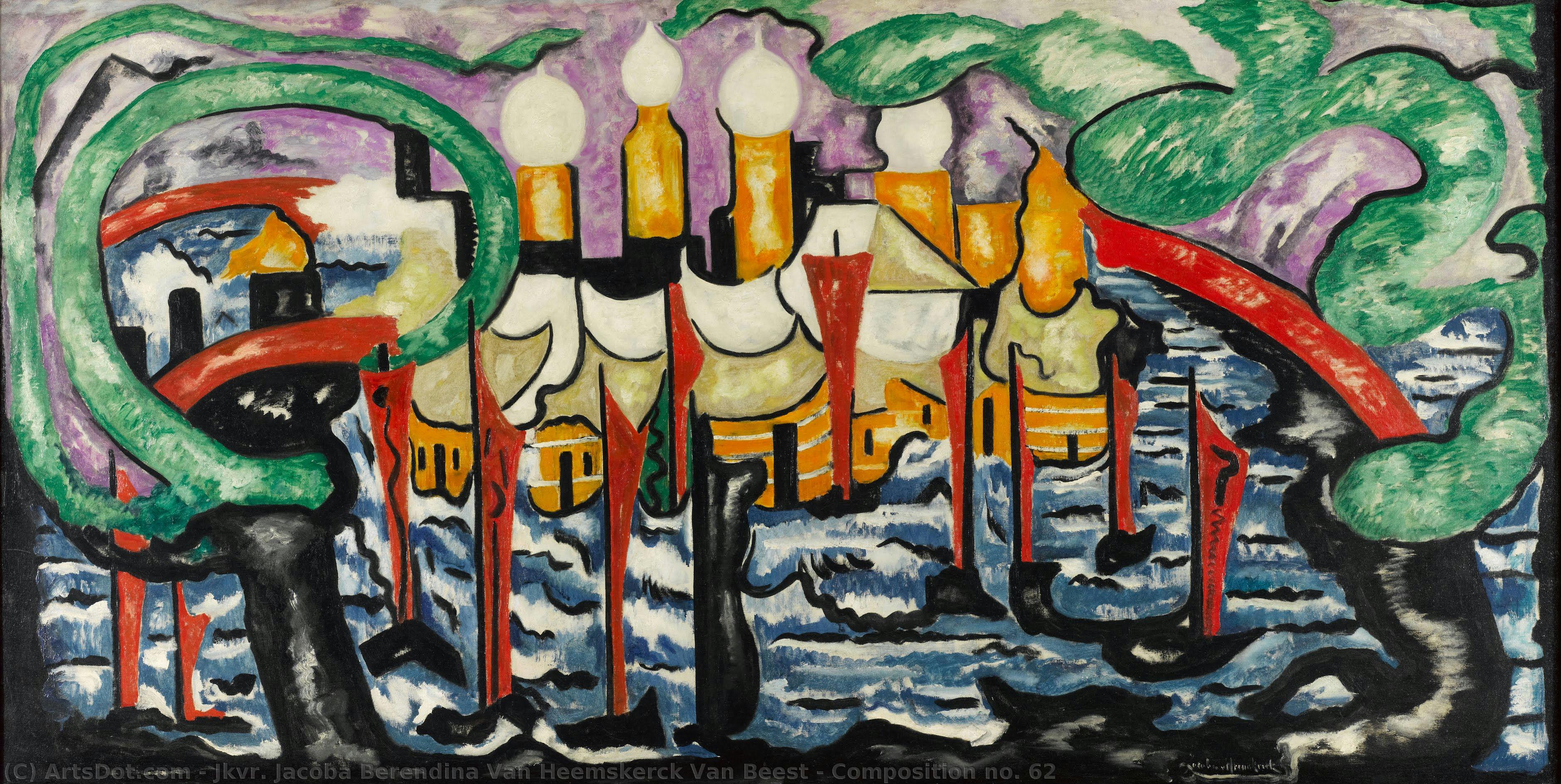
Composition no. 62
 Abstract Art
 1917
1917- Modern
 2103.0 x 1090.0 cm
 Kunstmuseum
 Read More
Purchase a high-resolution, enhanced digital image, far superior to the online preview.
Each file is meticulously prepared by our in-house specialists using advanced tools and expert manual retouching. We ensure every image has exceptional clarity, precise color accuracy, and fine detail.
The final file is delivered via email within 72 hours, optimized for immediate use in professional, editorial, and print environments. This is the same quality trusted by top-tier design studios, publishers, and galleries.
Digital Image
Download a high-resolution file for personal display, printing, and creative projects. ( Buy Print Buy Hand Made Painting)
Included in Every Digital Image Order
Expert Digital Delivery, Guaranteed
When you choose ArtsDot.com, you're not just getting an image - you're receiving a professionally enhanced digital artwork, crafted with precision and backed by a satisfaction guarantee. Here's everything that comes with your order, automatically:

Fast Email Delivery
Your high-resolution digital image file will be emailed to you within 72 hours of ordering - ready for immediate use.

AI-Enhanced Digital File
Your artwork is professionally optimized using advanced AI tools and manual editing, ensuring maximum detail, clarity, and color accuracy.

Free Lifetime Re-Delivery
Accidentally deleted or lost your file? No worries - we'll resend it to you anytime, free of charge.

No Import Fees - Ever
Enjoy your artwork instantly with zero customs, duties, or delivery fees - digital downloads are always tax-free.

Color Accuracy Guarantee
We ensure your digital image reflects the original colors as closely as possible using professional tools and color management.

60-Day Satisfaction Guarantee
If you're not satisfied with your digital image, we'll revise it or refund 100% within 60 days - no questions asked.

100% Money-Back Guarantee
Not satisfied? Get a full refund within 60 days of receiving your digital file - no questions asked.

Bulk Order Discounts
Buy 3 images, save 10% - Buy 5, save 15% - Buy 10+, save 20%. Great for creative projects, galleries, and agencies.
Collectible Description
Related Artworks
Artist Biography
A Pioneer of Dutch Abstraction: The Life and Art of Jacoba van Heemskerck
Jacoba van Heemskerck, born in Amsterdam in 1876, emerged as a significant, yet often overlooked, figure in the development of early modern art in the Netherlands. Her artistic journey was one of constant exploration and evolution, shaped by a unique blend of familial influence, rigorous academic training, exposure to avant-garde circles, and a deeply felt spiritual inclination. Unlike many of her contemporaries who adhered strictly to single movements, van Heemskerck navigated between Impressionism, Cubism, and ultimately, a distinctive form of abstract art infused with the principles of Anthroposophy. Her father, Jacob Eduard van Heemskerck van Beest, himself a naval officer and painter of seascapes and landscapes, provided her initial artistic grounding. This early exposure to the visual world, coupled with formal studies at the Royal Academy of Art in The Hague from 1897 to 1901 under Ferdinand Hart Nibbrig, laid the foundation for her future explorations.Parisian Beginnings and Avant-Garde Encounters
The seeds of van Heemskerck’s modernist sensibility were sown during a formative period spent in Paris, where she studied with Eugène Carrière. This experience introduced her to new artistic possibilities, moving beyond traditional representational techniques. However, it was her subsequent summers in the coastal town of Domburg that proved truly pivotal. Domburg, at the turn of the century, had become a magnet for progressive artists and thinkers. Here, van Heemskerck forged connections with luminaries such as Piet Mondriaan and Jan Toorop, individuals who would profoundly influence her artistic trajectory. These encounters weren’t merely social; they involved critical dialogue and shared experimentation, pushing van Heemskerck to question conventional approaches to artmaking. While she briefly flirted with the fragmented forms of Cubism around 1911, it was a growing interest in Anthroposophy – potentially sparked by Nibbrig's Theosophist leanings – that would ultimately define her mature style.A Spiritual Aesthetic: Abstraction and Symbolism
Van Heemskerck’s art evolved into a unique synthesis of modernist abstraction and spiritual symbolism. Her landscapes and still lifes, characterized by minimalist forms and vibrant colors, weren't simply depictions of the external world but rather attempts to express inner realities and underlying cosmic forces. This shift was significantly aided by her association with Herwarth Walden and his Berlin-based gallery *Der Sturm*, which championed avant-garde art and provided a platform for van Heemskerck’s work in Germany, where it received considerable acclaim. Her paintings often feature recurring motifs – sailing ships, bridges, trees – each imbued with symbolic meaning. The sailboats, for example, are frequently interpreted as representing souls navigating the journey of life towards spiritual enlightenment. Her use of strong outlines and bold colors also foreshadowed her later work in stained glass design, a medium that allowed her to explore light and transparency in new ways. She designed stunning stained-glass windows for prominent buildings in Amsterdam, including the naval barracks and the municipal health department, demonstrating her versatility as an artist.Legacy and Rediscovery
Despite a tragically short life – she passed away in 1923 at the age of 47 – Jacoba van Heemskerck left behind a body of work that continues to resonate with contemporary audiences. While largely overlooked for much of the 20th century, her art has experienced a significant revival in recent decades. A major retrospective held at the Gemeentemuseum Den Haag in 2005 brought renewed attention to her achievements, and her paintings are now included in prestigious collections such as the National Gallery of Art in Washington, D.C., and the Kunstmuseum Den Haag. Her story serves as a powerful reminder of the many talented female artists whose contributions were historically marginalized, and her pioneering spirit continues to inspire those seeking to bridge the gap between artistic innovation and spiritual expression.- Notable Works: *Passionflower* (watercolor), abstract landscapes such as *Untitled*, stained glass designs for Amsterdam buildings.
- Influences: Jacob Eduard van Heemskerck van Beest, Eugène Carrière, Piet Mondriaan, Jan Toorop, Ferdinand Hart Nibbrig, Herwarth Walden, Anthroposophy.
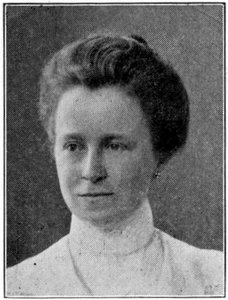
jkvr. jacoba berendina van heemskerck van beest
1876 - 1923 , Netherlands
Quick Facts
- Artistic Movement Or Style: Abstract art, Stained glass
- Artists Or Movements Influenced By This Artist: Dutch Modernism
- Artists Who Influenced This Artist:
- Piet Mondriaan
- Jan Toorop
- Ferdinand Hart Nibbrig
- Date Of Birth: 1876
- Date Of Death: 1923
- Full Name: Jacoba Berendina van Heemskerck van Beest
- Nationality: Dutch
- Notable Artworks:
- Passionflower
- Composition no. 23
- Composition no. 62
- Place Of Birth: Amsterdam, Netherlands

