 Preview
 Send
Send Share
Share
 Details

 Download
 Similars
 X-Ray
X-Ray Diaporama
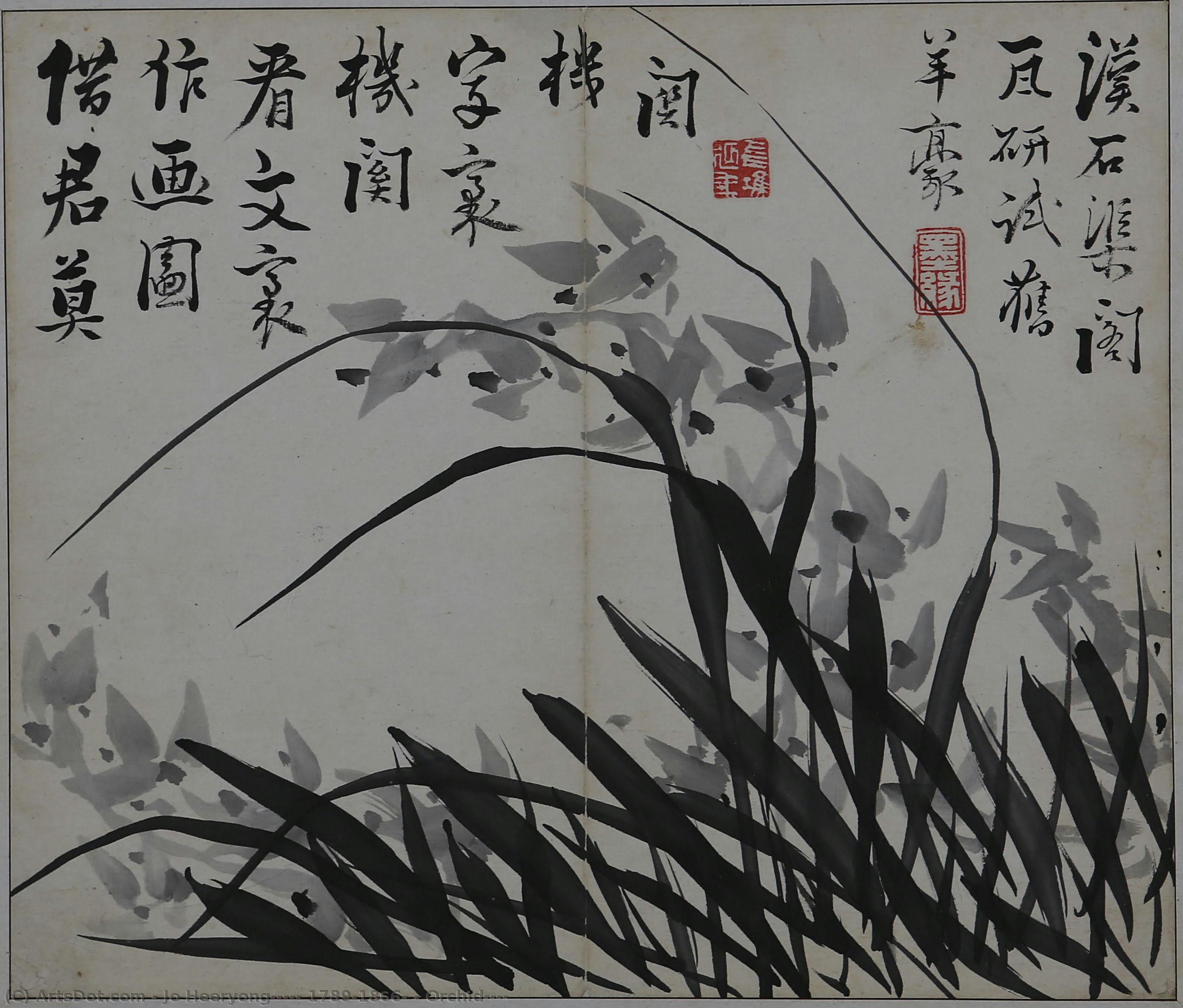
Orchid(墨蘭)

 Read More
Giclée / Art Print
Museum-quality giclée or canvas print with fast production and flexible finish options. ( Buy Hand Made Painting Buy Image)




































Pick from our preset sizes that match the artwork's original proportions.

You may enter your own dimensions to fit a specific frame or space. If your selected size does not match the original image's proportions, we will either crop the artwork or extend the image with a mirrored or solid-fill edge. A digital mockup will be sent for your approval before production begins.
Please note that the on-screen preview does not reflect the actual cropping or extension. Only the mockup will accurately show the final composition.
While custom sizes are available, we recommend selecting a dimension from the predefined list to preserve the original proportions.
Worldwide Delivery () in 2 weeks instead of standard 4/5 weeks. (26 August)

Free Worldwide Express Shipping

High-Quality Linen Canvas

Full Shipping Insurance

Customs Tax Refund Guarantee

True Color Matching Guarantee

60-Day Return Policy (Defects Only)

100% Money-Back Guarantee

Bulk Discount Offer
 Glass option is only available in size under 110 CM

Orchid(墨蘭)
Giclée / Art Print
Reproduction Size
-


Total Price
$ 63
Related Artworks






Artist Biography
A Life Etched in Ink: The World of Jo Heeryong (趙熙龍)
Born amidst the vibrant cultural landscape of Hanyang, present-day Seoul, in 1789, Jo Heeryong – also known by his art name, Woobong – emerged as a significant figure within the late Joseon Dynasty’s artistic sphere. His life was one interwoven with both imperial patronage and personal hardship, ultimately shaping a distinctive style that blended traditional Korean aesthetics with subtle yet compelling innovations. While biographical details remain somewhat fragmented, piecing together accounts from historical records, scholarly analyses, and his own works reveals a dedicated artist deeply connected to the natural world and profoundly influenced by the intellectual currents of his time. He was not merely a painter; he embodied a trifecta of artistic mastery, excelling in poetry, calligraphy, and painting – a testament to the holistic approach to art valued during the Joseon period.The Brushstrokes of Loyalty and Exile
Jo Heeryong’s career reached a pivotal moment when King Heonjong, himself an enthusiastic patron of the arts, commissioned him and others to undertake a journey to Mount Kumgang in 1849. This expedition, intended as a display of Korean diplomatic strength and artistic prowess, resulted in a series of paintings documenting the mountain's breathtaking beauty – works that remain highly prized today. The experience clearly resonated with Woobong, influencing his later depictions of landscapes and botanical subjects. However, this period of imperial favor was abruptly curtailed by political turmoil. In 1851, he faced banishment to Imja Island in Sinan County, a remote and harsh location, due to circumstances that remain somewhat obscure within historical accounts. This exile, lasting until 1853, undoubtedly impacted his artistic output, though it also provided him with an opportunity for introspection and a deeper connection with the natural world surrounding him. It is speculated that this period of isolation fostered a refinement in his technique, allowing him to focus on capturing subtle nuances of nature with even greater precision.A Harmony of Tradition and Innovation
Woobong’s artistic style firmly rooted itself within the established traditions of Korean painting, particularly the *oriental* tradition, drawing heavily from Chinese ink wash techniques (*Chinese Ink Style*). He demonstrated a particular affinity for depicting plum blossoms, orchids, bamboo, and pine trees – subjects laden with symbolic meaning in Korean culture. Plum blossoms, for instance, represent resilience and perseverance through adversity, while bamboo symbolizes integrity and humility. However, Woobong’s work wasn't simply a replication of existing forms; he subtly infused his paintings with a unique sensibility. While adhering to the meticulous detail characteristic of Joseon landscape painting, he often employed a looser, more expressive brushstroke, particularly in depicting foliage, creating a sense of movement and vitality that distinguished him from some contemporaries. His ability to capture the essence of these subjects—the delicate curve of a plum blossom branch, the weathered texture of ancient pine bark—demonstrates an acute observational skill and a profound understanding of natural forms.Legacy and Lasting Influence
Jo Heeryong’s artistic legacy extends beyond his surviving paintings. As a member of the *Byeokosisa* group – a collective of artists dedicated to preserving traditional Korean painting styles – he played a crucial role in transmitting these techniques to subsequent generations. His work has been showcased in numerous exhibitions, both domestically and internationally, and frequently appears at auctions, attesting to its enduring appeal among collectors and art enthusiasts. The National Museum of Korea houses several significant examples of his oeuvre, including the celebrated “Mokjukdo” (Painting of Trees and Bamboo), which exemplifies his mastery of composition and brushwork. Though he passed away in 1866, Jo Heeryong’s contribution to Korean art remains undeniable – a testament to an artist who navigated political upheaval with grace and channeled his experiences into works of enduring beauty and profound cultural significance. His paintings offer a window into the world of the late Joseon Dynasty, revealing not only its artistic conventions but also the spirit of resilience and appreciation for nature that defined the era.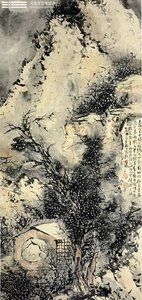
jo heeryong(趙熙龍, 1789-1866)
1789 - 1866 , South Korea
Quick Facts
- Artistic Movement Or Style: Oriental tradition
- Artists Who Influenced This Artist: ['Kim Jeong-hui']
- Date Of Birth: 1789
- Date Of Death: 1866
- Full Name: Jo Heeryong (趙熙龍)
- Nationality: Korean
- Notable Artworks: ['Orchid (墨蘭)']
- Place Of Birth: Seoul, South Korea