

 Preview
 Send
Send Share
Share
 Details

 Download
 Similars
 X-Ray
X-Ray Diaporama
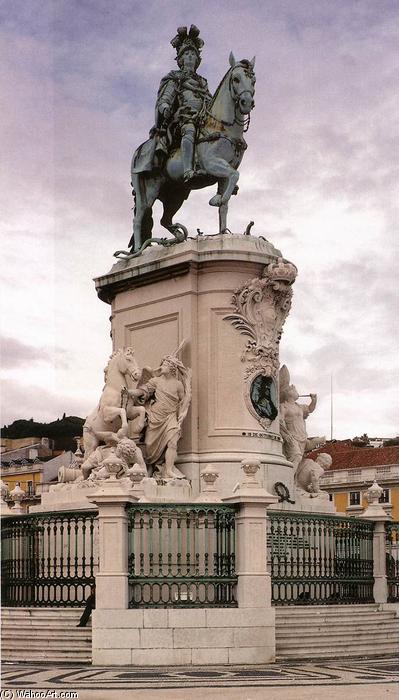
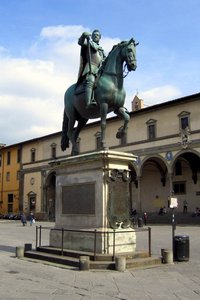
Equestrian Statue of José I of Portugal


 Read More
Purchase a high-resolution, enhanced digital image, far superior to the online preview.
Each file is meticulously prepared by our in-house specialists using advanced tools and expert manual retouching. We ensure every image has exceptional clarity, precise color accuracy, and fine detail.
The final file is delivered via email within 72 hours, optimized for immediate use in professional, editorial, and print environments. This is the same quality trusted by top-tier design studios, publishers, and galleries.
Digital Image
Download a high-resolution file for personal display, printing, and creative projects. ( Buy Print Buy Hand Made Painting)
Included in Every Digital Image Order
Expert Digital Delivery, Guaranteed
When you choose ArtsDot.com, you're not just getting an image - you're receiving a professionally enhanced digital artwork, crafted with precision and backed by a satisfaction guarantee. Here's everything that comes with your order, automatically:

Fast Email Delivery
Your high-resolution digital image file will be emailed to you within 72 hours of ordering - ready for immediate use.

AI-Enhanced Digital File
Your artwork is professionally optimized using advanced AI tools and manual editing, ensuring maximum detail, clarity, and color accuracy.

Free Lifetime Re-Delivery
Accidentally deleted or lost your file? No worries - we'll resend it to you anytime, free of charge.

No Import Fees - Ever
Enjoy your artwork instantly with zero customs, duties, or delivery fees - digital downloads are always tax-free.

Color Accuracy Guarantee
We ensure your digital image reflects the original colors as closely as possible using professional tools and color management.

60-Day Satisfaction Guarantee
If you're not satisfied with your digital image, we'll revise it or refund 100% within 60 days - no questions asked.

100% Money-Back Guarantee
Not satisfied? Get a full refund within 60 days of receiving your digital file - no questions asked.

Bulk Order Discounts
Buy 3 images, save 10% - Buy 5, save 15% - Buy 10+, save 20%. Great for creative projects, galleries, and agencies.
Related Artworks

Artist Biography
William Aikman: A Pioneer of British Watercolour
William Aikman, born in Edinburgh in 1682 and tragically dying prematurely at the age of forty-nine, remains a somewhat enigmatic figure within the annals of early British art. While not achieving the widespread fame of his contemporaries like Hogarth or Reynolds, Aikman’s contribution to the development of watercolour painting is undeniably significant. His work, largely focused on landscapes and architectural studies, represents a crucial bridge between the more formal techniques of oil painting and the burgeoning freedom of the new medium. Aikman's life was marked by both artistic ambition and personal hardship; he struggled financially throughout his career, often relying on commissions for smaller works to sustain himself. Despite these challenges, he produced a body of work that reveals a keen eye for detail, an understanding of light and shadow, and a willingness to experiment with the expressive possibilities of watercolour.Early Life and Training
Aikman’s early life is shrouded in some obscurity. He was apprenticed to James Malachy Scott, a prominent Edinburgh artist, around 1703. This apprenticeship provided him with a solid grounding in drawing and painting techniques, though the precise nature of his training remains somewhat unclear. It's believed he initially focused on portraiture before shifting his attention towards landscape subjects – a shift that would define much of his later work. Crucially, Aikman’s artistic development coincided with a period of significant change within British art. The rise of watercolour as a legitimate medium, previously considered primarily for sketching and illustration, was gaining momentum thanks to the influence of artists like Claude Lorrain and the increasing availability of portable paints. Aikman embraced this shift, recognizing its potential to capture fleeting moments of light and atmosphere in a way that oil paint simply couldn’t achieve.A Landscape Painter of Subtle Detail
Aikman's artistic style is characterized by a remarkable sensitivity to detail and an almost obsessive attention to the nuances of natural light. Unlike many landscape painters of his time who favored dramatic, idealized scenes, Aikman preferred to depict more modest subjects – rural views, gardens, and architectural details – with a quiet realism. His compositions are often carefully constructed, employing a restrained palette of muted greens, browns, and blues to create a sense of atmospheric depth. He was particularly adept at capturing the effects of weather, using delicate washes to convey the subtle shifts in light and shadow caused by rain, mist, or snow. Aikman’s work is not about grand pronouncements; it's about quietly observing and faithfully representing the beauty of the everyday world.Key Works and Influences
Among Aikman’s most notable works are his series of views of Edinburgh Castle, meticulously rendered with a remarkable understanding of perspective and architectural detail. These drawings demonstrate his skill in capturing the complex geometry of the castle walls and towers, as well as the changing light conditions throughout the day. He also produced numerous studies of Scottish landscapes, including scenes from the Borders region and the Highlands. While Aikman’s work is often described as “classical” due to its emphasis on observation and restraint, it's important to note that he was influenced by a variety of sources. The works of Claude Lorrain, with his atmospheric landscapes and careful attention to light, undoubtedly played a role in shaping his style. Furthermore, Aikman’s meticulous draughtsmanship reflects the influence of Renaissance artists like Leonardo da Vinci, who emphasized the importance of accurate observation and detailed rendering.Legacy and Historical Significance
Despite not achieving widespread fame during his lifetime, William Aikman's contribution to British watercolour is now widely recognized. His work helped to establish watercolour as a serious artistic medium and paved the way for later generations of landscape painters. His meticulous attention to detail and his ability to capture the subtle nuances of light and atmosphere set a high standard for watercolour painting in Britain. Today, Aikman’s drawings are treasured possessions of major museums and private collections, offering a valuable glimpse into the early development of British art. His legacy lies not in grand monuments or celebrated portraits, but in the quiet beauty and understated elegance of his landscapes – a testament to the power of observation and the enduring appeal of watercolour.
joachim machado de castro
1731 - 1822 , Portugal
Quick Facts
- Artistic Movement Or Style: Baroque, Neoclassicism
- Artists Or Movements Influenced By This Artist: ['Giovanni Camillo Sagrestani']
- Artists Who Influenced This Artist:
- Antonio Giusti
- Carlo Cignani
- Sebastiano Ricci
- Date Of Birth: 1731
- Date Of Death: 1818
- Full Name: Marcello Bacciarelli
- Nationality: Italian
- Notable Artworks:
- Virgin and St. Bernard
- Martyrdom of St. Andrew
- Death of St. Verdiana
- Place Of Birth: Rome, Italy

