 Preview
 Send
Send Share
Share
 Details

 Download
 Similars
 X-Ray
X-Ray Diaporama
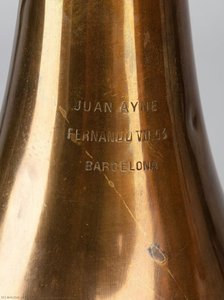
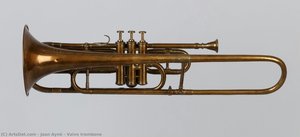
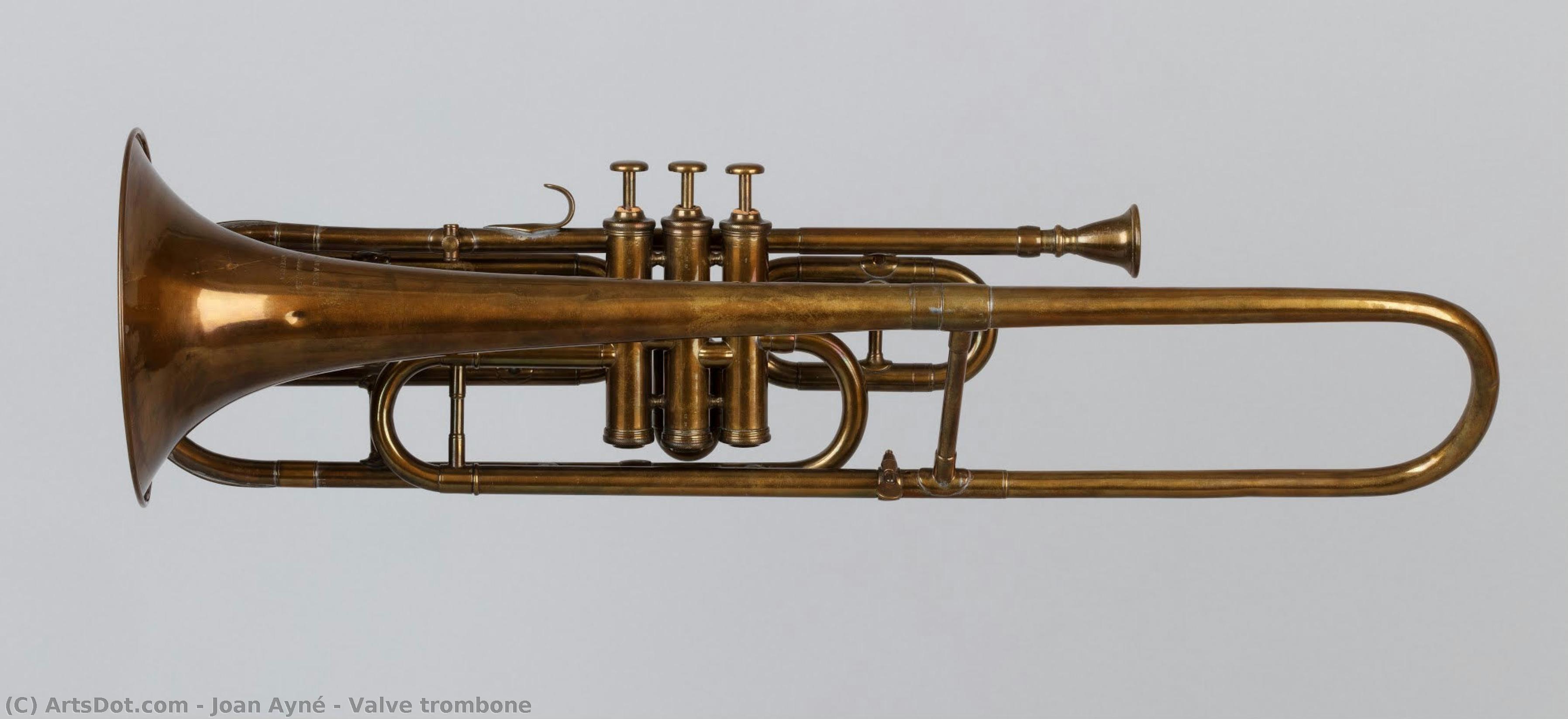
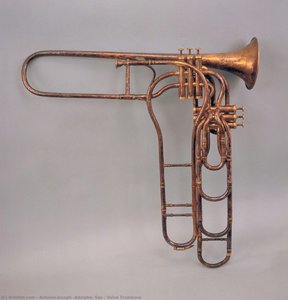
Valve trombone

 Read More
Giclée / Art Print
Museum-quality giclée or canvas print with fast production and flexible finish options. ( Buy Hand Made Painting Buy Image)




































Pick from our preset sizes that match the artwork's original proportions.

You may enter your own dimensions to fit a specific frame or space. If your selected size does not match the original image's proportions, we will either crop the artwork or extend the image with a mirrored or solid-fill edge. A digital mockup will be sent for your approval before production begins.
Please note that the on-screen preview does not reflect the actual cropping or extension. Only the mockup will accurately show the final composition.
While custom sizes are available, we recommend selecting a dimension from the predefined list to preserve the original proportions.
Worldwide Delivery () in 2 weeks instead of standard 4/5 weeks. (23 August)

Free Worldwide Express Shipping

High-Quality Linen Canvas

Full Shipping Insurance

Customs Tax Refund Guarantee

True Color Matching Guarantee

60-Day Return Policy (Defects Only)

100% Money-Back Guarantee

Bulk Discount Offer
 Glass option is only available in size under 110 CM

Valve trombone
Giclée / Art Print
Reproduction Size
-


Total Price
$ 63
Related Artworks






Artist Biography
The Resonance of Innovation: The Life and Legacy of Joan Ayné
In the quiet, sun-drenched streets of Tarragona, Spain, a transformative era in musical history was quietly forged through the hands of Joan Ayné. Born in 1903, Ayné was far more than a mere craftsman; he was a visionary who bridged the gap between mechanical precision and artistic expression. His life, though tragically truncated by the violence of the Spanish Civil War in 1939, remains a testament to the power of singular dedication. To understand Ayné is to understand the intersection of Catalan cultural identity and the relentless pursuit of sonic perfection. He did not merely build instruments; he reimagined the very way sound could be captured and manipulated by the human spirit.
Ayné’s early years were characterized by a profound, almost spiritual, connection to the auditory world. While historical records from his formative period are as delicate as the brass he would later shape, it is clear that his workshop was a sanctuary of intellectual curiosity. He possessed a rare dual talent: the meticulous discipline required for instrument manufacture and the sensitive ear of a music editor. This duality allowed him to approach design not just as an engineer, but as a performer who understood the physical limitations of the era's technology. His workshop became a crucible where metal was transformed into melody, driven by a desire to elevate the capabilities of the brass section.
A Revolution in Brass: The Valve Trombone
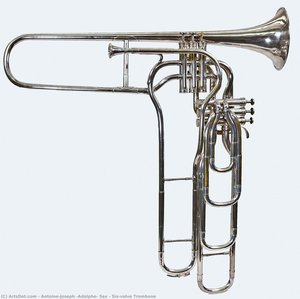
The most enduring chapter of Ayné’s career lies in his revolutionary approach to the trombone. For generations, the instrument had been defined by its cumbersome slide mechanism—a device that, while capable of beautiful glissandi, imposed significant constraints on tonal range and technical agility. Ayné saw these limitations as a challenge to be overcome rather than an inherent trait of the instrument. Through a process of rigorous experimentation and technical mastery, he introduced a transformative valve system designed to expand the trombone's expressive vocabulary.
This innovation was a masterstroke of design, achieving something previously thought impossible: providing the player with greater chromatic flexibility and rapid articulation without sacrificing the rich, characteristic timbre that defines the trombone. His work represented a profound rethinking of instrumental ergonomics, pushing the boundaries of what musicians could achieve in both solo and ensemble settings. The significance of this achievement is preserved today in the Biblioteca de Catalunya, which holds one of his original trombones—a silent, gleaming witness to a period of immense technical progress.
A Legacy Forged in Metal and Memory
Though the shadows of war eventually silenced his workshop, the impact of Joan Ayné’s work continues to resonate through the halls of musical history. His contributions were not merely mechanical; they were cultural, contributing to a period of significant evolution in Spanish musical craftsmanship. He remains a symbol of the Catalan spirit—resilient, innovative, and deeply rooted in a tradition of excellence.
When we reflect on the trajectory of 20th-century instrument design, Ayné’s name stands as a beacon of progress. His life reminds us that true art often resides in the tools we use to create, and that a single individual's commitment to refinement can alter the course of musical expression for generations to come. His legacy is found every time a musician navigates a complex passage with ease, a testament to a man who heard the future within the brass.
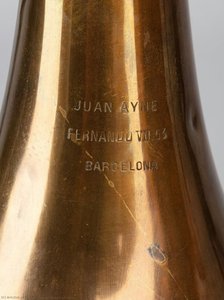
joan ayné
1939 , Spain
Quick Facts
- Artistic Movement Or Style: Instrument maker
- Date Of Birth: (1903)
- Date Of Death: (1939)
- Full Name: Joan Ayné
- Nationality: Spanish
- Notable Artworks: ['Valve trombone']
- Place Of Birth: Tarragona, Spain