 Preview
 Send
Send Share
Share
 Details

 Download
 Similars
 X-Ray
X-Ray Diaporama
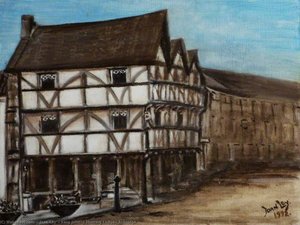
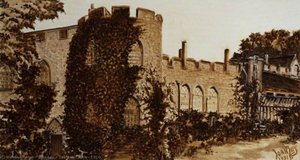
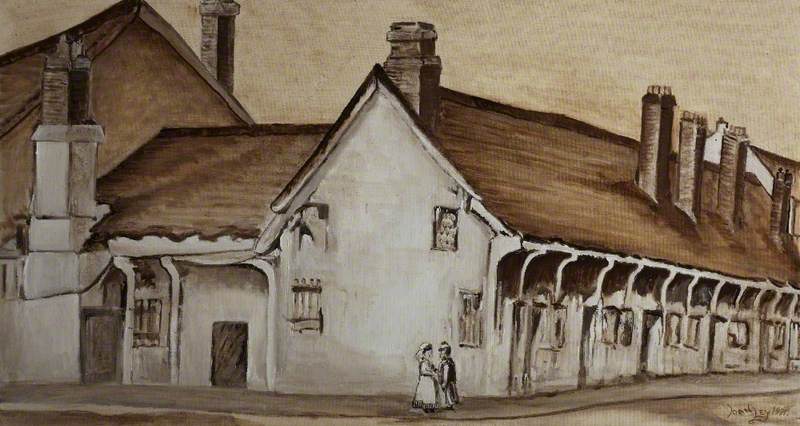
Fifteenth Century Almshouses, Saint James and Canon Street, 1897
 1991
1991 41.0 x 77.0 cm
 Read More
Giclée / Art Print
Museum-quality giclée or canvas print with fast production and flexible finish options. ( Buy Hand Made Painting Buy Image)




































Pick from our preset sizes that match the artwork's original proportions.

You may enter your own dimensions to fit a specific frame or space. If your selected size does not match the original image's proportions, we will either crop the artwork or extend the image with a mirrored or solid-fill edge. A digital mockup will be sent for your approval before production begins.
Please note that the on-screen preview does not reflect the actual cropping or extension. Only the mockup will accurately show the final composition.
While custom sizes are available, we recommend selecting a dimension from the predefined list to preserve the original proportions.
Worldwide Delivery () in 2 weeks instead of standard 4/5 weeks. (27 August)

Free Worldwide Express Shipping

High-Quality Linen Canvas

Full Shipping Insurance

Customs Tax Refund Guarantee

True Color Matching Guarantee

60-Day Return Policy (Defects Only)

100% Money-Back Guarantee

Bulk Discount Offer
 Glass option is only available in size under 110 CM

Fifteenth Century Almshouses, Saint James and Canon Street, 1897
Giclée / Art Print
Reproduction Size
-


Total Price
$ 63
Related Artworks










Artist Biography
Joan Ley: A Visionary Observer of Scottish Landscapes
Joan Ley stands as a singular figure in British landscape painting, celebrated for her meticulous depictions of Scottish architecture and rural vistas imbued with profound symbolic resonance. Born in the quietude of Taunton, Somerset, Ley’s artistic journey began amidst the gentle beauty of Devonshire, an environment that fostered an enduring fascination with the rugged grandeur of Scotland's Highlands and Islands. Her distinctive style—characterized by precise draughtsmanship combined with a subtle tonal palette—captures not merely visual appearances but also the emotional essence of her subjects, inviting the viewer into a world where stillness and history converge.
The foundations of Ley’s aesthetic were laid during her formative years, shaped by an early exposure to the Impressionist masters. The works of Claude Monet and Pierre-Auguste Renoir instilled in her a deep appreciation for capturing fleeting moments of light and color, yet her sensibilities were equally informed by more structured philosophies. She found profound inspiration in the writings of John Ruskin, particularly his explorations of Victorian morality and the concept of the sublime. For Ley, art was not merely a way to document the world but a means to elevate the spirit, a principle that would guide her hand through decades of dedicated observation.
Technical Mastery and Formal Training
To refine her innate talent, Ley pursued rigorous formal training at the prestigious Slade School of Fine Art in London. It was within this academic environment that she honed her technical skills under renowned instructors, immersing herself in the burgeoning modernist movement of the era. This period of intense study solidified her commitment to meticulous rendering and structural integrity, principles that would become the hallmarks of her oeuvre. Her ability to balance the delicate nuances of atmospheric light with the solid, unyielding presence of stone architecture remains one of her most significant technical achievements.
Her artistic output is notably focused on architectural drawings—primarily churches—and landscapes reflecting the Scottish Highlands. Her detailed renderings of buildings such as St Mary's Cathedral in Inverness and Auchtermuchty Parish Church reveal an unwavering dedication to capturing structural truth and conveying a sense of solemn grandeur. These works are more than mere blueprints of stone; they are meditations on permanence and the passage of time.
The Soul of the Highlands
Beyond the structured lines of her architectural studies, Ley’s paintings portray expansive vistas of Glencoe, Loch Lomond, and Trossachs National Park. These landscapes are rendered with remarkable sensitivity to atmospheric conditions and subtle tonal variations, capturing the mist-laden mornings and the shifting shadows of the mountains. Her landscapes serve as more than scenic representations; they act as meditative spaces where the viewer can experience the quiet majesty of the natural world.
The historical significance of Ley’s work lies in her ability to bridge the gap between traditional observation and a deeply personal, symbolic interpretation of the British landscape. Through her eyes, the rugged terrain of Scotland is transformed into a poetic dialogue between light and earth. Her legacy continues to resonate through her ability to find the extraordinary within the ordinary, leaving behind a body of work that remains a timeless testament to the beauty of the natural and built environments.
joan ley
1919 -
Quick Facts
- Artistic Movement Or Style: Scottish Landscape Art
- Artists Or Movements Influenced By This Artist: ['Fundació Joan Miró']
- Artists Who Influenced This Artist: ['']
- Date Of Birth: 1919
- Date Of Death: Living
- Full Name: Joan Ley
- Nationality: British
- Notable Artworks:
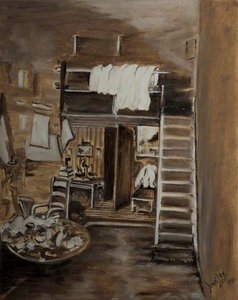
- The Leper Hospital
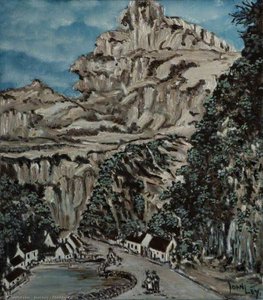
- Cheddar Gorge
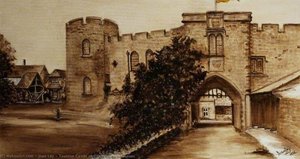
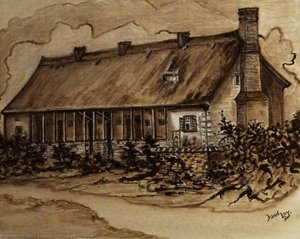
- Taunton Almshouse
- Place Of Birth: Taunton, England