 Preview
 Send
Send Share
Share
 Details

 Download
 Similars
 X-Ray
X-Ray Diaporama
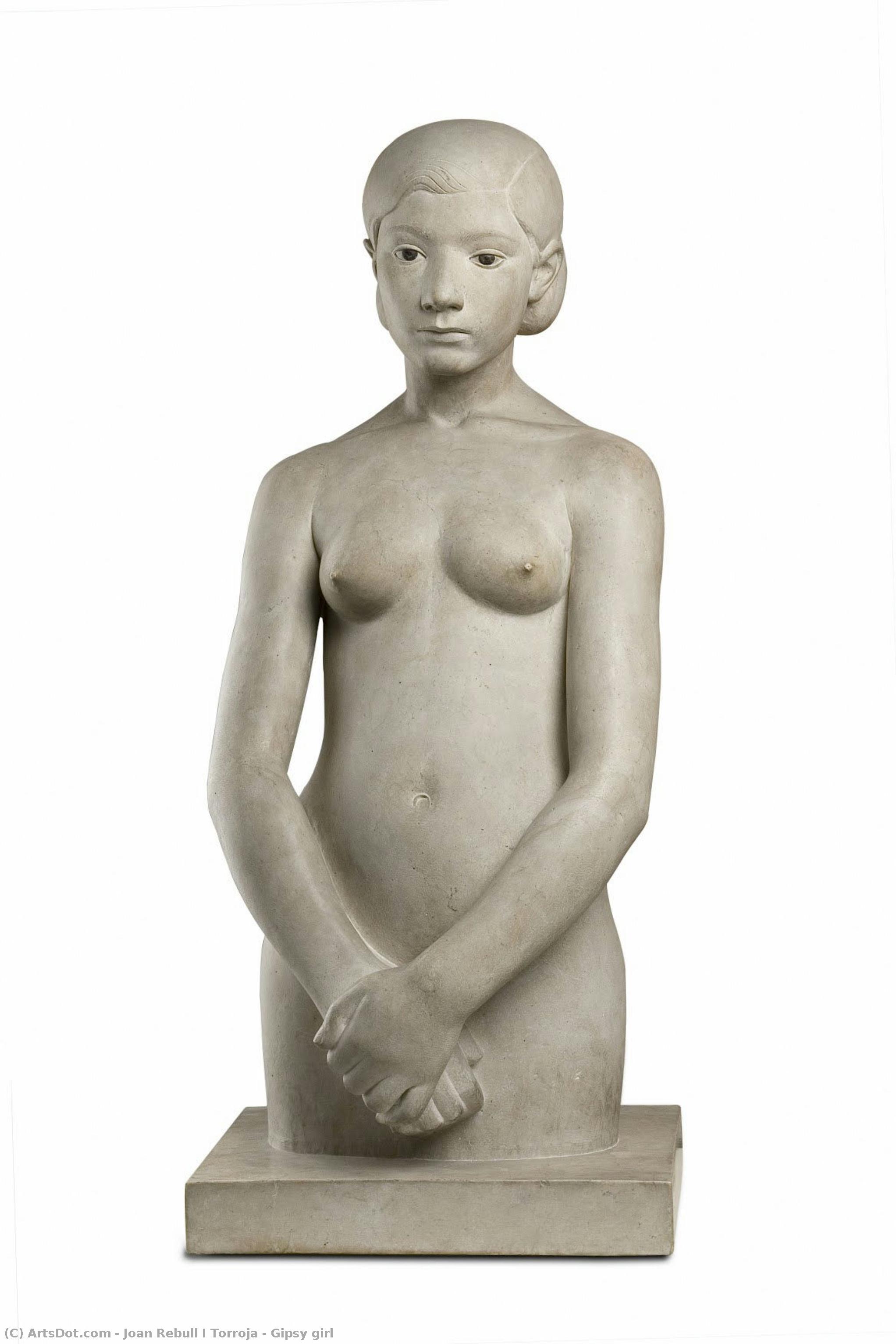
Gipsy girl
 1954
1954 5.0 x 31.0 cm
 Maricel Museum
 Read More
Hand Made Oil Reproduction
Hand-painted oil on canvas in your size and frame, made to order by our artists. ( Buy Print Buy Image)




































Pick from our preset sizes that match the artwork's original proportions.

You may enter your own dimensions to fit a specific frame or space. If your selected size does not match the original image's proportions, we will either crop the artwork or extend the painting with additional hand-painted elements. A digital mockup will be sent for your approval before production begins.
Please note that the on-screen preview does not reflect the actual cropping or extension. Only the mockup will accurately show the final composition.
While custom sizes are available, we recommend selecting a dimension from the predefined list to preserve the original proportions.
After order, ArtsDot.com team will email client for instructions and provide a mockup preview
Worldwide Delivery () in 3/4 weeks instead of standard 5 weeks. (25 August). No compromise on quality.

Free Worldwide Express Shipping

High-Quality Linen Canvas

Full Shipping Insurance

Customs Tax Refund Guarantee

True Color Matching Guarantee

60-Day Return Policy (Defects Only)

100% Money-Back Guarantee

Bulk Discount Offer
 Glass option is only available in size under 110 CM

Gipsy girl
Reproduction Medium
Reproduction Size
-


Total Price
$ 263
Related Artworks

Artist Biography
Joan Rebull i Torroja: A Sculptor Rooted in Catalan Noucentisme
Joan Rebull i Torroja (Reus, Tarragona, 1897 – Barcelona, 1981) stands as one of Catalonia’s most prominent sculptors of the twentieth century, a figure whose oeuvre embodies both the austere beauty of classical forms and the humanist spirit characteristic of Catalan Noucentisme. Born into a family steeped in artistic tradition—his father was a painter—Rebull's formative years were marked by exposure to the intellectual currents shaping his homeland. He pursued formal training at the Escola Superior d’Arts Aplicades de Barcelona and subsequently honed his skills at the Real Academia Española de Bellas Artes de San Fernando in Madrid, absorbing influences from masters like Auguste Rodin and Michelangelo Buonarroti.- Early Influences: Rebull's artistic sensibilities were profoundly shaped by the Noucentisme movement, which championed a return to Catalan identity after decades of Romanticism and Symbolism. This aesthetic ethos prioritized clarity, restraint, and moral seriousness—values that would permeate his sculptural practice.
- Barcelona Workshop & Grupo Evolucionistas: Rebull established himself in Barcelona’s artistic milieu, collaborating closely with sculptor Pau Figueres and founding the Grupo Evolucionistas alongside fellow artists. Together they sought to revitalize Catalan art through a deliberate reconsideration of classical ideals, rejecting decorative excess for sculptural precision.
- Parisian Period & Surrealist Engagement: A pivotal moment in Rebull’s artistic journey arrived with his relocation to Paris in 1926. There he immersed himself in the vibrant cultural landscape of the city and engaged with the burgeoning Surrealist movement, experimenting with innovative techniques and exploring subconscious imagery.
Sculptural Style & Recurring Themes
Rebull’s sculptural style is characterized by a remarkable blend of realism and abstraction. He meticulously studied anatomical detail—particularly in depictions of the human figure—yet simultaneously employed simplified forms to convey emotional depth and spiritual contemplation. His works often explore themes related to human vulnerability, resilience, and the enduring power of memory. Recurring motifs include nude figures—often imbued with melancholic grace—and allegorical representations of women embodying virtues such as compassion and dignity. He favored materials like terracotta and plaster, skillfully manipulating texture and surface treatment to achieve a tactile quality that resonated with his artistic vision.- Notable Works: Among Rebull’s most celebrated sculptures are monumental figures commemorating Catalan heroes—particularly Josep Tarragona i Serra—and evocative depictions of biblical narratives. His “La Verge Dolorosa” (The Sorrowful Virgin), housed in the Museu Nacional d'Art Contemporani (MNAC) in Barcelona, exemplifies his masterful command of form and expression.
- Influence on Catalan Sculpture: Rebull’s artistic legacy extends far beyond his individual creations. He served as professor at the Escola Superior d’Arts Aplicades de Barcelona and Sant Jordi Academy, nurturing generations of Catalan sculptors who embraced Noucentisme principles and championed a humanist aesthetic.
Recognition & Legacy
Rebull’s artistic achievements garnered widespread acclaim during his lifetime. He was awarded the Gold Medal of the Generalitat de Catalunya in 1978—a testament to his enduring contribution to Catalan culture—and continued to produce sculptures until his death in 1981. Today, Rebull’s work resides in prominent museums across Catalonia and Spain, ensuring that his sculptural vision continues to inspire artists and scholars alike. He is remembered not merely as a skilled craftsman but as a humanist artist who captured the essence of Catalan identity—a sculptor whose enduring legacy testifies to the transformative power of art.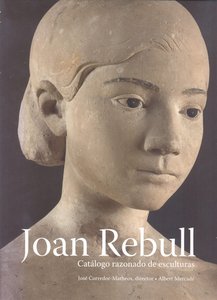
joan rebull i torroja
1897 - 1981 , Spain
Quick Facts
- Artistic Movement Or Style: Realism
- Artists Or Movements Influenced By This Artist: ['Noucentisme']
- Artists Who Influenced This Artist: ['Pau Figueres']
- Date Of Birth: 1897
- Full Name: Joan Rebull i Torroja
- Nationality: Catalan
- Notable Artworks: ['Female nude']
- Place Of Birth: Reus, Spain