 Preview
 Send
Send Share
Share
 Details

 Download
 Similars
 X-Ray
X-Ray Diaporama
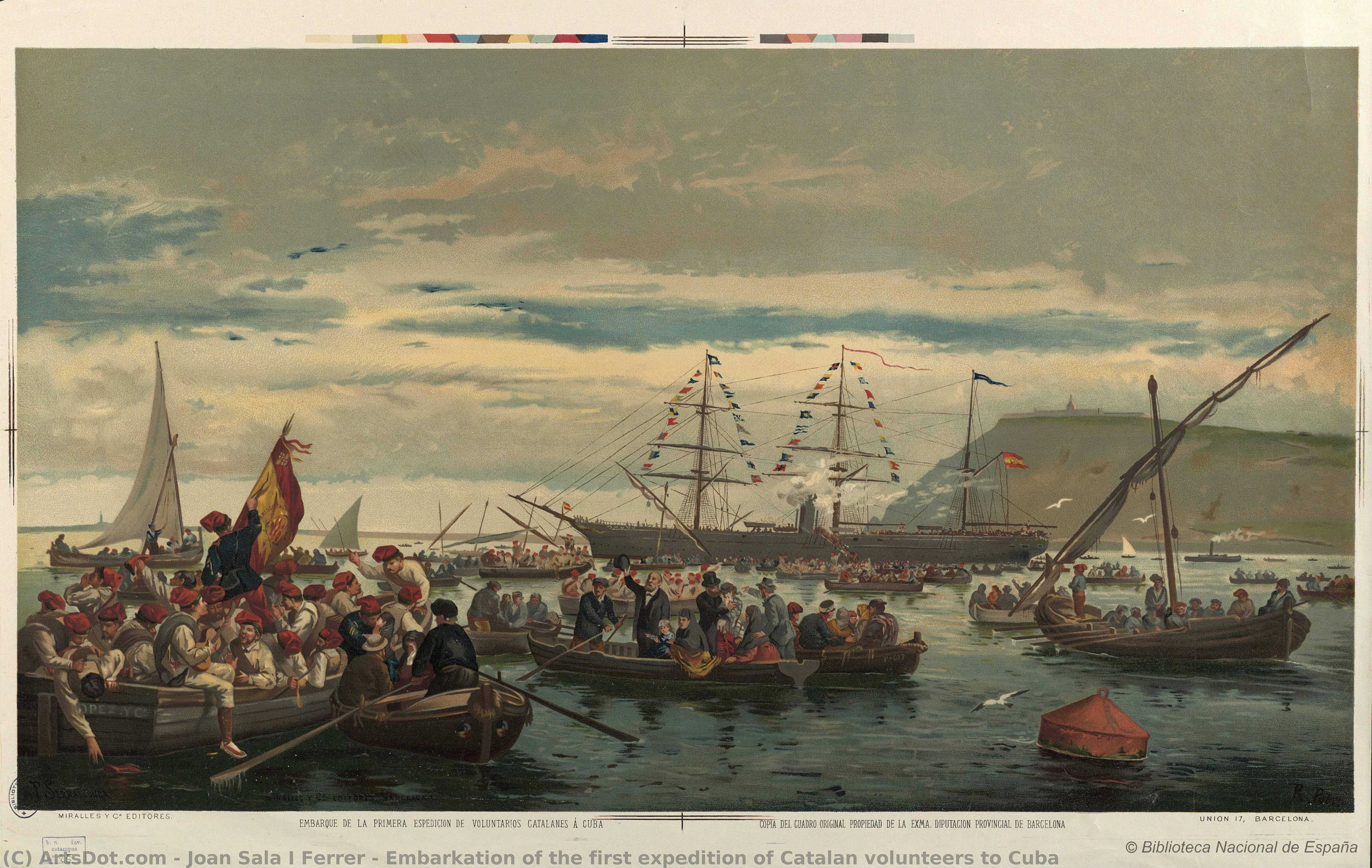
Embarkation of the first expedition of Catalan volunteers to Cuba

 Read More
Giclée / Art Print
Museum-quality giclée or canvas print with fast production and flexible finish options. ( Buy Hand Made Painting Buy Image)




































Pick from our preset sizes that match the artwork's original proportions.

You may enter your own dimensions to fit a specific frame or space. If your selected size does not match the original image's proportions, we will either crop the artwork or extend the image with a mirrored or solid-fill edge. A digital mockup will be sent for your approval before production begins.
Please note that the on-screen preview does not reflect the actual cropping or extension. Only the mockup will accurately show the final composition.
While custom sizes are available, we recommend selecting a dimension from the predefined list to preserve the original proportions.
Worldwide Delivery () in 2 weeks instead of standard 4/5 weeks. (29 August)

Free Worldwide Express Shipping

High-Quality Linen Canvas

Full Shipping Insurance

Customs Tax Refund Guarantee

True Color Matching Guarantee

60-Day Return Policy (Defects Only)

100% Money-Back Guarantee

Bulk Discount Offer
 Glass option is only available in size under 110 CM

Embarkation of the first expedition of Catalan volunteers to Cuba
Giclée / Art Print
Reproduction Size
-


Total Price
$ 63
Related Artworks










Artist Biography
Joan Sala i Ferrer: The Shadow of the Sierra Guillerías
Joan Sala i Ferrer, known as Serrallonga, was more than just a bandit; he embodied Catalan folklore and became an enduring symbol of defiance against oppression during the turbulent 17th century. Born in Vila-rodona, Spain, around 1594, his life unfolded amidst the rugged landscapes of Les Guillerías mountains, shaping him into a legend whispered through generations. Little is known about his early years beyond familial connections and humble beginnings—a stark contrast to the notoriety that would soon define his existence.A Bandit's Rise Amidst Socioeconomic Turmoil
The context of Serrallonga’s life was inextricably linked to the socio-economic hardships plaguing Catalonia at the time. The Habsburg monarchy imposed heavy taxes, exacerbating poverty and fueling discontent amongst rural communities. This environment fostered an atmosphere ripe for rebellion, providing fertile ground for individuals like Sala to exploit vulnerabilities and amass considerable wealth through daring raids—primarily targeting estates and monasteries. His exploits captivated the imagination of locals who saw him as a champion against injustice.The Legend Takes Shape: Skillful Robbery and Mythical Tales
Serrallonga’s reputation grew exponentially thanks to his remarkable ability to evade capture by authorities, cementing his status as “the last bandit” in Catalonia. Accounts describe him as possessing exceptional agility and cunning—traits that allowed him to navigate treacherous terrain and outsmart pursuers with ease. Beyond mere criminality, Serrallonga's actions fueled the creation of elaborate myths and tales passed down orally, portraying him as a charismatic leader who rallied followers and instilled a spirit of resistance. These narratives embellished his exploits, transforming him into a figure akin to Robin Hood—a rebellious hero admired for his defiance of authority and generosity towards the oppressed.Notable Achievements & Artistic Legacy
While Serrallonga’s life was tragically cut short in Barcelona in 1634 following an arrest attempt, his legacy endured beyond the confines of legal records. He became a celebrated subject in Catalan literature and art—particularly during the Romantic era—where he served as inspiration for poets and painters alike. Artists sought to capture the essence of Serrallonga’s rebellious spirit and portray him as a symbol of Catalan identity. His image appeared prominently on canvases depicting dramatic landscapes and heroic figures, reflecting the artistic sensibilities of the time.Influence & Historical Significance
Joan Sala i Ferrer's story transcends mere biographical details; it encapsulates the anxieties and aspirations of Catalonia during its formative years. He represents a potent emblem of rural defiance against centralized power—a narrative that resonated deeply with Catalan nationalism in subsequent centuries. Serrallonga’s legend continues to inspire artistic interpretations today, demonstrating the enduring fascination with figures who embody courage, autonomy, and resistance—elements that remain central to Catalan cultural heritage. His tale serves as a reminder of Catalonia's turbulent past and its unwavering commitment to preserving its traditions and folklore.
joan sala i ferrer
1594 - 1634 , Spain
Quick Facts
- Artistic Movement Or Style: Romanticism
- Artists Or Movements Influenced By This Artist: ['Romanticism']
- Artists Who Influenced This Artist: ['Francisco Ribalta']
- Date Of Birth: April 1594
- Date Of Death: 1634
- Full Name: Joan Sala i Ferrer
- Nationality: Catalan
- Notable Artworks: ['The Sierra de las Guillerías']
- Place Of Birth: Vila-rodona, Spain