

 Preview
 Send
Send Share
Share
 Details

 Download
 Similars
 X-Ray
X-Ray Diaporama
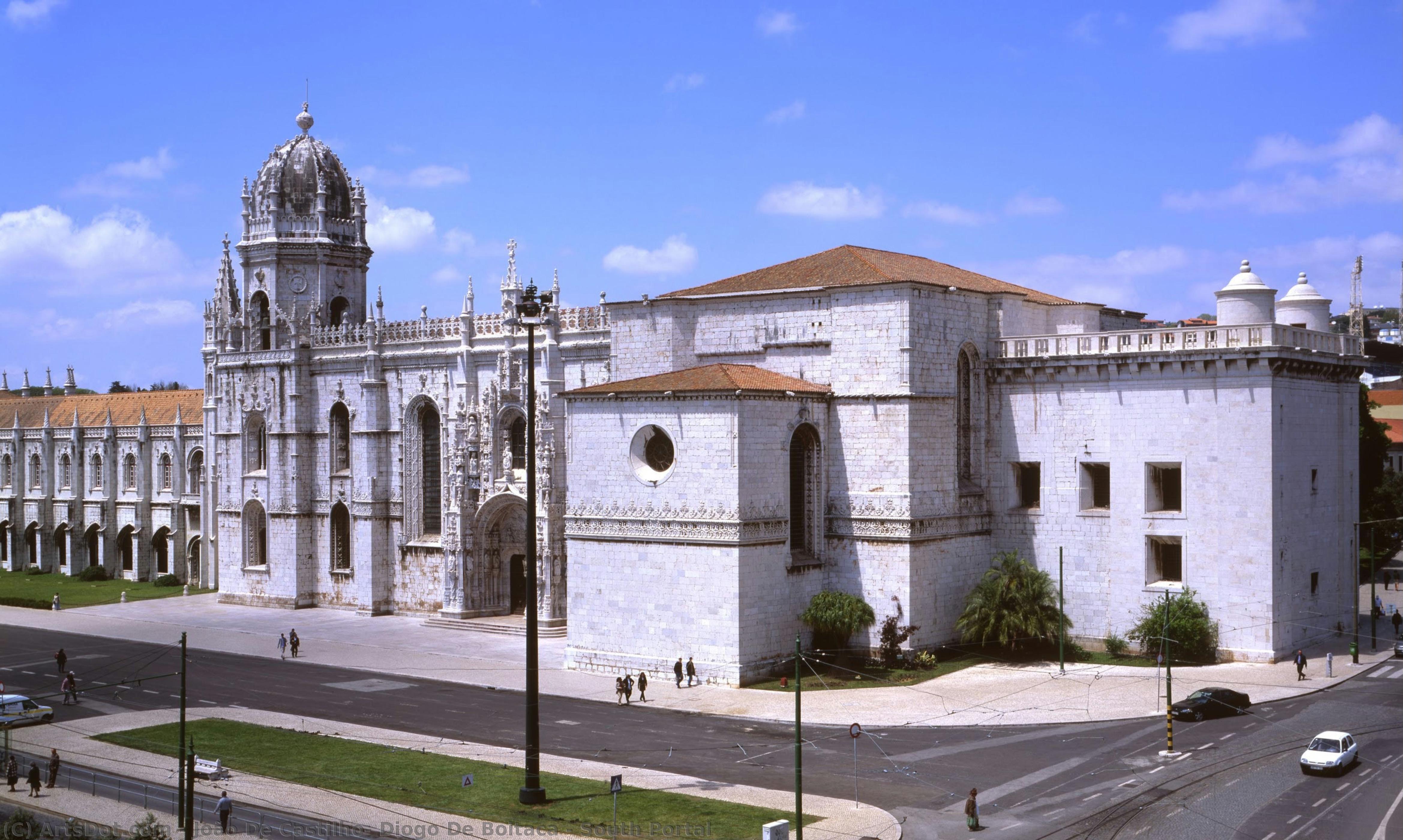
South Portal

 Read More
Purchase a high-resolution, enhanced digital image, far superior to the online preview.
Each file is meticulously prepared by our in-house specialists using advanced tools and expert manual retouching. We ensure every image has exceptional clarity, precise color accuracy, and fine detail.
The final file is delivered via email within 72 hours, optimized for immediate use in professional, editorial, and print environments. This is the same quality trusted by top-tier design studios, publishers, and galleries.
Digital Image
Download a high-resolution file for personal display, printing, and creative projects. ( Buy Print Buy Hand Made Painting)
Included in Every Digital Image Order
Expert Digital Delivery, Guaranteed
When you choose ArtsDot.com, you're not just getting an image - you're receiving a professionally enhanced digital artwork, crafted with precision and backed by a satisfaction guarantee. Here's everything that comes with your order, automatically:

Fast Email Delivery
Your high-resolution digital image file will be emailed to you within 72 hours of ordering - ready for immediate use.

AI-Enhanced Digital File
Your artwork is professionally optimized using advanced AI tools and manual editing, ensuring maximum detail, clarity, and color accuracy.

Free Lifetime Re-Delivery
Accidentally deleted or lost your file? No worries - we'll resend it to you anytime, free of charge.

No Import Fees - Ever
Enjoy your artwork instantly with zero customs, duties, or delivery fees - digital downloads are always tax-free.

Color Accuracy Guarantee
We ensure your digital image reflects the original colors as closely as possible using professional tools and color management.

60-Day Satisfaction Guarantee
If you're not satisfied with your digital image, we'll revise it or refund 100% within 60 days - no questions asked.

100% Money-Back Guarantee
Not satisfied? Get a full refund within 60 days of receiving your digital file - no questions asked.

Bulk Order Discounts
Buy 3 images, save 10% - Buy 5, save 15% - Buy 10+, save 20%. Great for creative projects, galleries, and agencies.
Collectible Description
Related Artworks



Artist Biography
The Transnational Vision of João de Castilho and Diogo de Boitaca
João de Castilho, often working in tandem with Diogo de Boitaca, represents a fascinating confluence of Spanish and Portuguese architectural traditions during the pivotal transition from Gothic to Renaissance styles. Born in Castillo de las Villas around 1470, in what was then the Kingdom of Castile, his journey embodies the fluid movement of skilled artisans across Iberian borders—a period where artistic exchange wasn’t defined by rigid national identities but rather by shared aesthetic currents and royal patronage. While originating from Spain, Castilho's most significant contributions unfolded within Portugal, establishing him as a premier architect in Portuguese history and a key figure responsible for several buildings now recognized as UNESCO World Heritage sites. The partnership with Diogo de Boitaca further solidified his impact; Boitaca, an equally influential architect and engineer, brought a distinct perspective to their collaborative projects, shaping some of the most important structures of early 16th-century Portugal.Early Life and Formation: A Cantabrian Master in Lusitanian Lands
Details regarding Castilho’s initial training remain somewhat elusive, typical for master builders of this era whose expertise was often passed down through workshop experience rather than formal academic settings. His origins in Cantabria suggest a grounding in the robust stone masonry and structural techniques prevalent in northern Spain. The move to Portugal likely occurred through royal commission—the Portuguese court frequently sought skilled laborers from neighboring kingdoms to undertake ambitious building projects. This influx of foreign talent wasn’t merely about acquiring technical prowess; it reflected a deliberate effort to incorporate new ideas and elevate the sophistication of Portuguese architecture. Castilho's early work within Portugal would have exposed him to the late Gothic style, characterized by its soaring verticality, intricate rib vaulting, and elaborate ornamentation. However, he quickly demonstrated an aptitude for adapting these established forms, subtly introducing elements that foreshadowed the emerging Renaissance aesthetic—a testament to his forward-thinking vision.A Collaborative Genius: Castilho & Boitaca’s Architectural Innovations
The partnership between João de Castilho and Diogo de Boitaca proved remarkably fruitful. Their collaboration wasn't simply a division of labor; it was a dynamic interplay of ideas, resulting in structures that seamlessly blended Gothic grandeur with Renaissance clarity and proportion. They are particularly celebrated for their work on the Jerónimos Monastery in Lisbon, a masterpiece commissioned by King Manuel I to commemorate Vasco da Gama’s voyage to India. While Boitaca initiated the design, Castilho played a crucial role in its execution and subsequent development, notably contributing to the iconic South Portal—a breathtaking display of *Manueline* style, Portugal's uniquely ornate late Gothic variant infused with maritime motifs. This portal is not merely an entrance; it’s a sculptural encyclopedia of Portuguese exploration, depicting ropes, anchors, coral, and exotic flora, all meticulously carved in stone. Beyond Jerónimos, they collaborated on other significant projects including the Convent of Christ in Tomar, transforming this former Templar stronghold into a symbol of Portuguese power and religious devotion.The Manueline Style and Lasting Legacy
Castilho and Boitaca were instrumental in shaping the *Manueline* style—a uniquely Portuguese architectural expression that flourished during the reign of King Manuel I (1495-1521). This style, named after the king, is characterized by its elaborate ornamentation inspired by maritime discoveries. It incorporated nautical motifs like ropes, shells, anchors, and exotic plants alongside traditional Gothic elements and emerging Renaissance features. The South Portal of Jerónimos Monastery serves as a quintessential example, showcasing this intricate detailing with unparalleled artistry. Their influence extended beyond specific buildings; they established a workshop tradition that continued to propagate the *Manueline* aesthetic for generations. The impact of their work is visible throughout Portugal, in churches, monasteries, and palaces—a lasting testament to their skill and vision. While Diogo de Boitaca’s contributions were often more focused on structural engineering and overall design concepts, Castilho excelled at translating these ideas into tangible form, meticulously crafting the intricate details that defined the *Manueline* style. Their legacy lies not only in the buildings they created but also in the enduring cultural symbolism they embodied—a celebration of Portuguese exploration, religious fervor, and artistic innovation.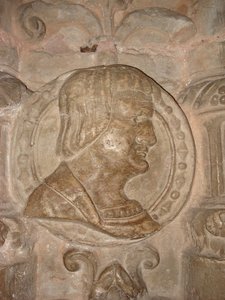
joão de castilho, diogo de boitaca
1470 - , Spain
Quick Facts
- Artistic Movement Or Style: Renaissance architecture
- Date Of Birth: 1470
- Full Name: João de Castilho & Diogo de Boitaca
- Nationality: Spanish-Portuguese
- Notable Artworks: ['Several world heritage buildings']
- Place Of Birth: Castillo de las Villas, Spain

