 Preview
 Send
Send Share
Share
 Details

 Download
 Similars
 X-Ray
X-Ray Diaporama
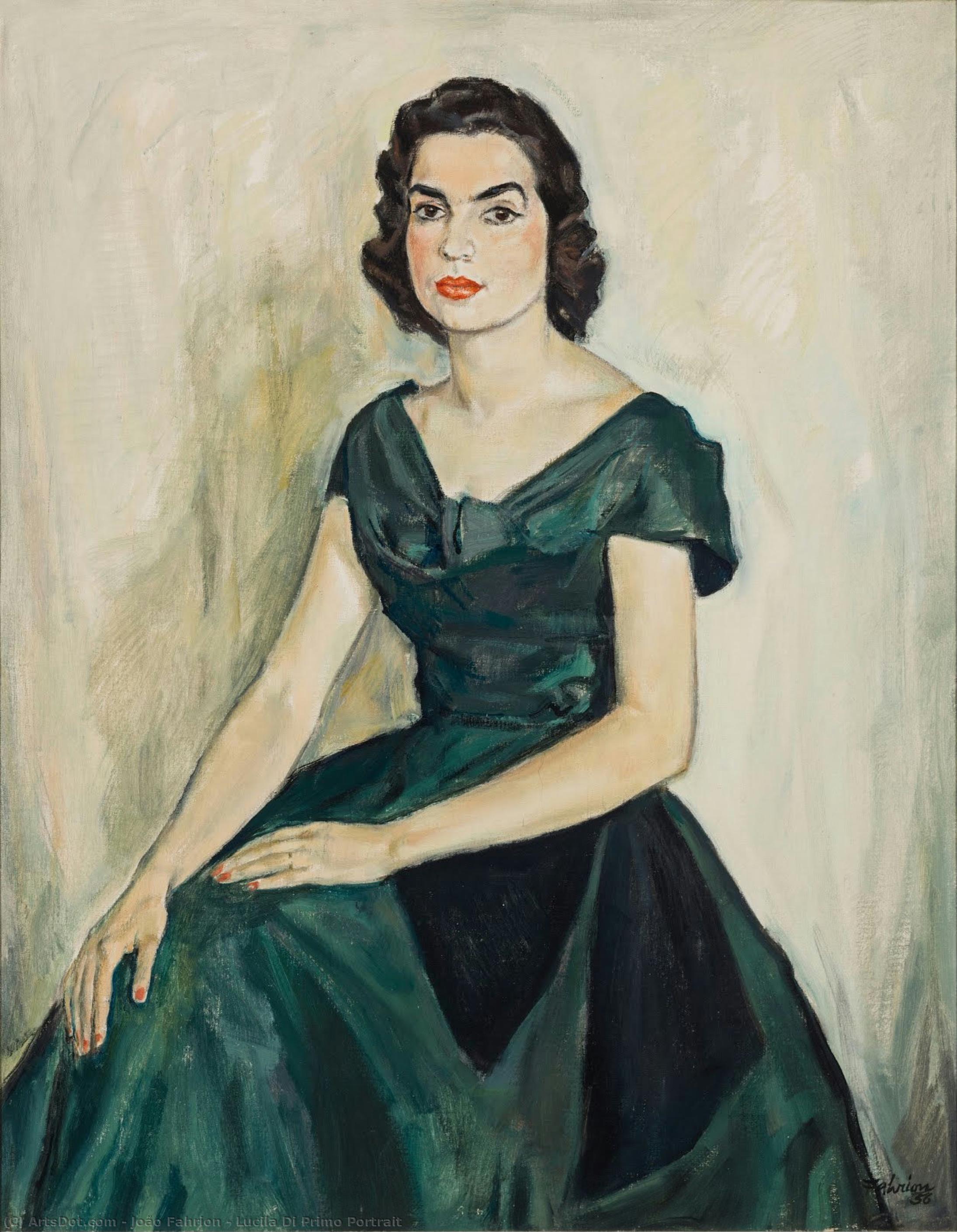
Lucila Di Primo Portrait
 1956
1956 100.0 x 75.0 cm
 Iberê Camargo Foundation
 Read More
Hand Made Oil Reproduction
Hand-painted oil on canvas in your size and frame, made to order by our artists. ( Buy Print Buy Image)




































Pick from our preset sizes that match the artwork's original proportions.

You may enter your own dimensions to fit a specific frame or space. If your selected size does not match the original image's proportions, we will either crop the artwork or extend the painting with additional hand-painted elements. A digital mockup will be sent for your approval before production begins.
Please note that the on-screen preview does not reflect the actual cropping or extension. Only the mockup will accurately show the final composition.
While custom sizes are available, we recommend selecting a dimension from the predefined list to preserve the original proportions.
After order, ArtsDot.com team will email client for instructions and provide a mockup preview
Worldwide Delivery () in 3/4 weeks instead of standard 5 weeks. (26 August). No compromise on quality.

Free Worldwide Express Shipping

High-Quality Linen Canvas

Full Shipping Insurance

Customs Tax Refund Guarantee

True Color Matching Guarantee

60-Day Return Policy (Defects Only)

100% Money-Back Guarantee

Bulk Discount Offer
 Glass option is only available in size under 110 CM

Lucila Di Primo Portrait
Reproduction Medium
Reproduction Size
-


Total Price
$ 263
Related Artworks









Artist Biography
A Vibrant Voice of Brazilian Modernism
João Fahrion (1898–1970) stands as a significant figure in Brazilian art history, embodying the spirit of bold experimentation and lyrical observation that characterized the burgeoning modernist movement. Born in Porto Alegre, Brazil, Fahrion’s artistic journey began amidst the fertile intellectual landscape of the early 20th century, shaping his distinctive style and enduring legacy. His life was one of profound dedication to the craft, a quiet existence largely devoted to the pursuit of aesthetic truth through various mediums including painting, engraving, and illustration.
The foundations of Fahrion’s mastery were laid far beyond the borders of his homeland. Supported by a prestigious scholarship from the government of Rio Grande do Sul, he embarked on a transformative journey through Europe between 1920 and 1922. In the great artistic hubs of Berlin, Munich, and Amsterdam, he immersed himself in the avant-garde currents that were reshaping the continent. Studying under masters such as Muller, Schoerfeld, and Seek, Fahrion absorbed the rigorous techniques of European academic tradition while simultaneously being seduced by the emerging modernist sensibilities. This unique synthesis of German precision and Dutch light would later become a cornerstone of his visual language.
The Alchemy of Color and Line
Upon returning to Brazil, Fahrion did not merely replicate European styles; instead, he translated those learned techniques into a uniquely Brazilian vernacular. His artistic style is instantly recognizable for its vibrant color palette and expressive brushstrokes—a hallmark of the Brazilian Modernist era. He eschewed rigid academic conventions in favor of a technique rooted in raw observation and deep emotion. His canvases pulsate with luminous hues, capturing the very essence of Brazilian scenery and portraying figures imbued with a palpable, breathing feeling.
Fahrion’s versatility was perhaps his greatest strength as a creator. He moved seamlessly between different disciplines, demonstrating a remarkable technical command over various media:
- Oil on Canvas: Where he explored the interplay of light and shadow to create atmospheric landscapes and emotive portraits.
- Engraving and Lithography: A medium that allowed him to explore more graphic, structured compositions and contribute to the wider dissemination of art.
- Draughtsmanship and Illustration: During the 1930s and 1940s, his talent as an illustrator for publications like Revista do Globo and various children's books brought his poetic vision to a much broader public.
His work often balanced meticulous detail with an intuitive understanding of composition, elevating his pieces beyond mere representation to profound artistic statements that resonated with the soul of a nation in transition.
Legacy and Historical Significance
Beyond the physical beauty of his works, Fahrion’s importance lies in his role as a bridge between traditions. He brought the sophisticated influences of European modernism back to the heart of Brazil, helping to cultivate a local identity that was both globally informed and deeply rooted in South American reality. As a teacher and professor, he also contributed to the pedagogical development of future generations of Brazilian artists, passing on the technical rigor he had acquired abroad.
Though his later years were marked by personal struggles and periods of depression that eventually led to his incapacity, the brilliance of his prolific middle years remains undimmed. Today, João Fahrion is remembered not just as a painter of landscapes or an illustrator of books, but as a vital architect of Brazilian visual culture. His legacy continues to inspire those who seek to find the extraordinary within the everyday, captured through the lens of color, light, and an unwavering commitment to the modernist spirit.
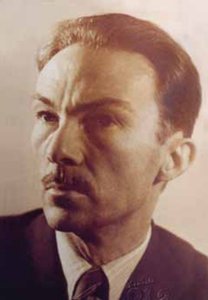
joão fahrion
1898 - 1970 , Brazil
Quick Facts
- Artistic Movement Or Style: Bold colors & expressive brushstrokes
- Artists Or Movements Influenced By This Artist: ['Djanira da Motta e Silva']
- Date Of Birth: October 4, 1898
- Date Of Death: August 11, 1970
- Full Name: João Fahrion
- Nationality: Brazilian
- Notable Artworks:
- Oil on canvas paintings
- Engravings
- Draftsmanship
- Place Of Birth: Porto Alegre, Brazil