 Preview
 Send
Send Share
Share
 Details

 Download
 Similars
 X-Ray
X-Ray Diaporama
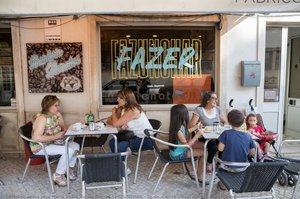
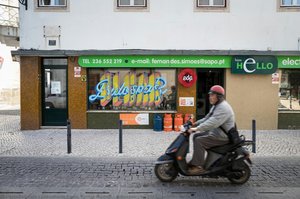
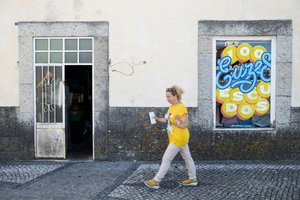
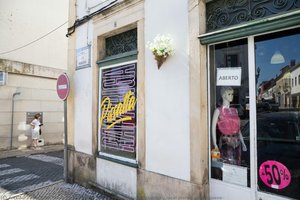
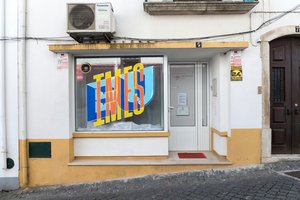
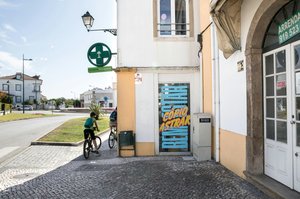
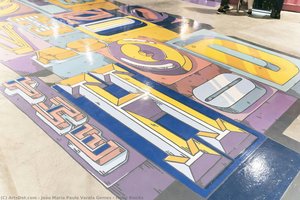
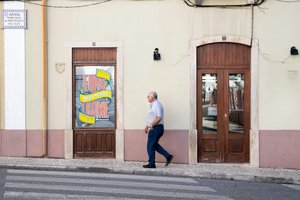
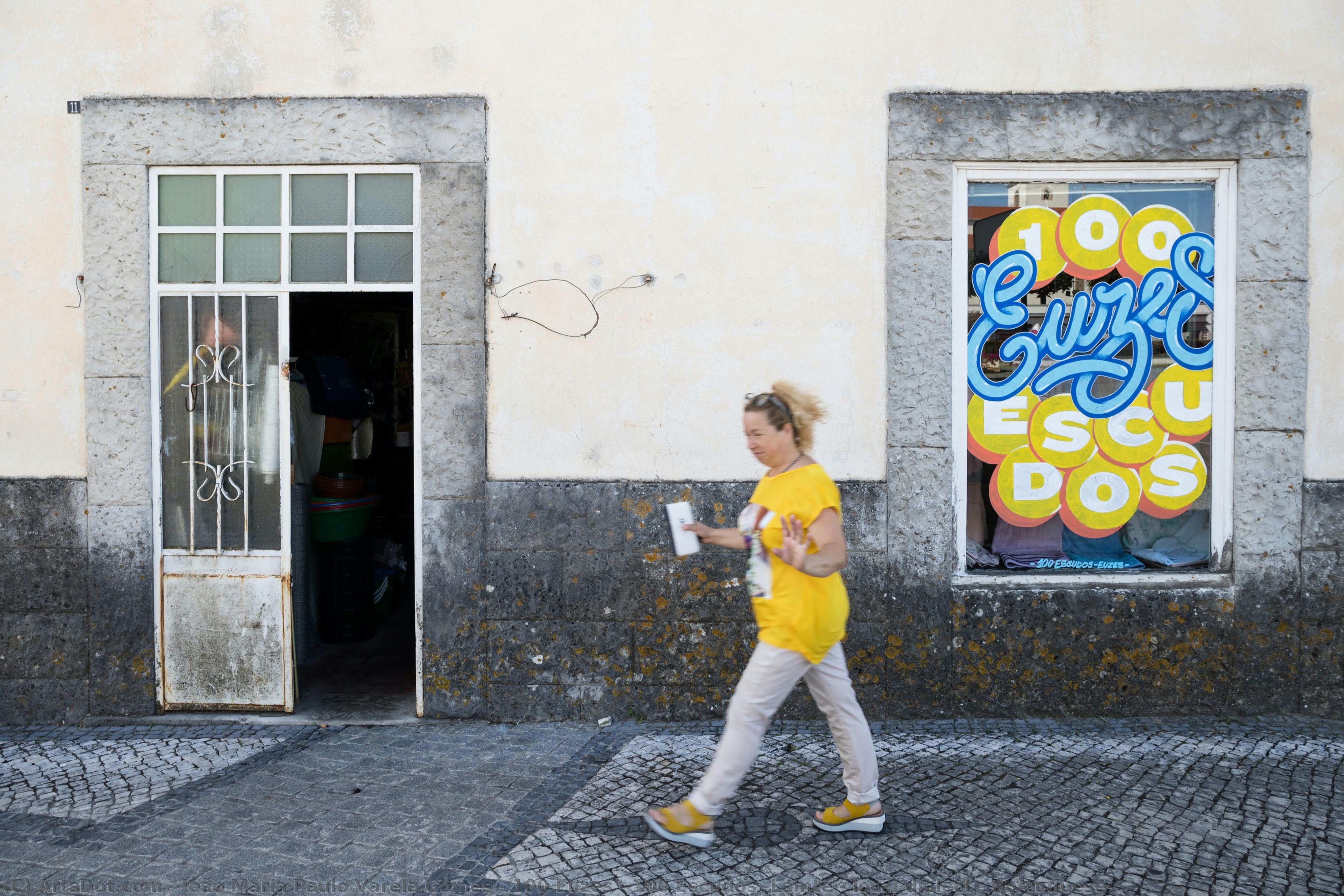
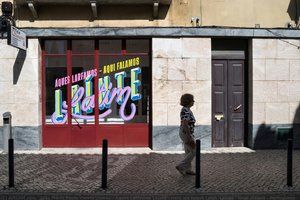
100 Euzes | 100 Escudos (Laínte - local dialect | Portuguese)

 Read More
Hand Made Oil Reproduction
Hand-painted oil on canvas in your size and frame, made to order by our artists. ( Buy Print Buy Image)




































Pick from our preset sizes that match the artwork's original proportions.

You may enter your own dimensions to fit a specific frame or space. If your selected size does not match the original image's proportions, we will either crop the artwork or extend the painting with additional hand-painted elements. A digital mockup will be sent for your approval before production begins.
Please note that the on-screen preview does not reflect the actual cropping or extension. Only the mockup will accurately show the final composition.
While custom sizes are available, we recommend selecting a dimension from the predefined list to preserve the original proportions.
After order, ArtsDot.com team will email client for instructions and provide a mockup preview
Worldwide Delivery () in 3/4 weeks instead of standard 5 weeks. (21 August). No compromise on quality.

Free Worldwide Express Shipping

High-Quality Linen Canvas

Full Shipping Insurance

Customs Tax Refund Guarantee

True Color Matching Guarantee

60-Day Return Policy (Defects Only)

100% Money-Back Guarantee

Bulk Discount Offer
 Glass option is only available in size under 110 CM

100 Euzes | 100 Escudos (Laínte - local dialect | Portuguese)
Reproduction Medium
Reproduction Size
-


Total Price
$ 263
Artwork Description
Related Artworks




Artist Biography
A Soul Forged in Resistance and the Laínte Dialect
To understand the art of João Varela Gomes is to understand the very heartbeat of twentieth-century Portugal—a nation caught between the suffocating grip of dictatorship and the fervent, blooming hope of revolution. Born in Lisbon in 1924, Varela Gomes did not merely observe history; he lived it as a soldier, a revolutionary, and a chronicler of the human spirit. His life was a profound tapestry woven from threads of military duty and clandestine political defiance. During the turbulent years of the Estado Novo regime, his commitment to democratic ideals led him into the shadows of resistance, most notably during the Beja coup attempt of 1961. This period of intense struggle against Salazar’s oppressive rule deeply informed his creative consciousness, instilling in his work a sense of purpose that transcended mere aesthetics.
The artist's true voice emerged through what is known as the Laínte dialect, a unique stylistic approach rooted in the vernacular and cultural nuances of Portugal’s Minho region. This was not simply a choice of subject matter, but a way of seeing. Through this lens, Varela Gomes captured the soul of everyday life, translating the subtle rhythms of rural existence into a visual language that felt both intimate and universal. His work avoids the grandiosity of traditional historical painting, opting instead for a deliberate simplicity that allows the emotional weight of his subjects to breathe. In his hands, the mundane becomes monumental, and the quietude of a landscape or the stillness of a portrait becomes a vessel for the collective memory of a people.
The Canvas of Revolution and Identity
As the tides of history shifted toward the pivotal Carnation Revolution of April 25th, 1974, Varela Gomes stood as a central figure in the transition to democracy. The spontaneous uprising that ousted the dictatorship served as both a political triumph and an artistic liberation. His role in this transformative moment cemented his legacy not just as a man of action, but as a witness to the rebirth of a nation. This spirit of defiance and optimism is palpable in his paintings, where the imagery of the countryside and the faces of the common folk serve as symbols of a resilient Portuguese identity.
His artistic development was characterized by an evocative use of imagery that favored the essence of a moment over intricate detail. The following elements define the core of his creative output:
- The Laínte Aesthetic: A profound connection to the local dialect and regional traditions, bringing the textures of the Minho region to the forefront of his compositions.
- Rural Narratives: A focus on landscapes and portraits that celebrate the dignity of labor and the quiet beauty of the Portuguese interior.
- Symbolic Simplicity: The use of unadorned forms to convey deep-seated emotions, ranging from the tension of political struggle to the peace of pastoral life.
Ultimately, the work of João Varela Gomes remains an essential pillar of Portuguese art history. He bridged the gap between the political and the personal, proving that the most powerful way to document a revolution is through the tender, observant gaze of an artist dedicated to the truth of his people. His legacy continues to resonate, reminding us that even in the darkest eras of censorship and control, the human spirit—and the art it produces—remains unyielding.
joão maria paulo varela gomes
1924 - 2018 , Portugal
Quick Facts
- Artistic Movement Or Style: Laínte dialect
- Date Of Birth: May 25, 1924
- Date Of Death: February 26, 2018
- Full Name: João Maria Paulo Varela Gomes
- Nationality: Portuguese
- Notable Artworks:
- FAZUNCHAR
- Imes
- Áques Larfamos Laínte
- Place Of Birth: Lisbon, Portugal