 Preview
 Send
Send Share
Share
 Details

 Download
 Similars
 X-Ray
X-Ray Diaporama
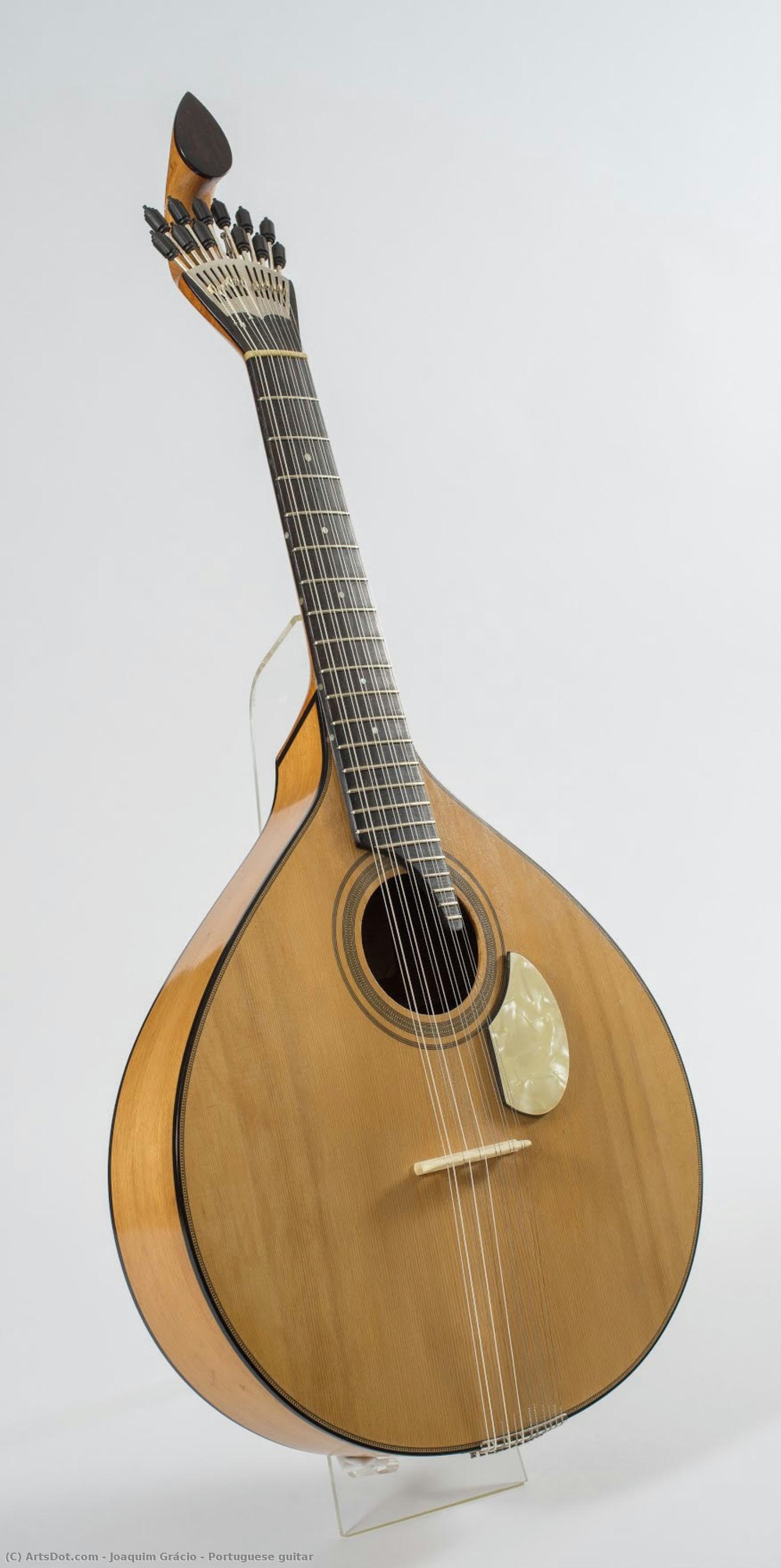
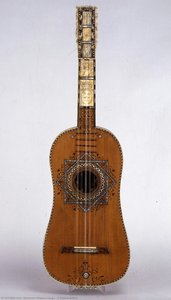
Portuguese guitar


 Read More
Giclée / Art Print
Museum-quality giclée or canvas print with fast production and flexible finish options. ( Buy Hand Made Painting Buy Image)




































Pick from our preset sizes that match the artwork's original proportions.

You may enter your own dimensions to fit a specific frame or space. If your selected size does not match the original image's proportions, we will either crop the artwork or extend the image with a mirrored or solid-fill edge. A digital mockup will be sent for your approval before production begins.
Please note that the on-screen preview does not reflect the actual cropping or extension. Only the mockup will accurately show the final composition.
While custom sizes are available, we recommend selecting a dimension from the predefined list to preserve the original proportions.
Worldwide Delivery () in 2 weeks instead of standard 4/5 weeks. (21 August)

Free Worldwide Express Shipping

High-Quality Linen Canvas

Full Shipping Insurance

Customs Tax Refund Guarantee

True Color Matching Guarantee

60-Day Return Policy (Defects Only)

100% Money-Back Guarantee

Bulk Discount Offer
 Glass option is only available in size under 110 CM

Portuguese guitar
Giclée / Art Print
Reproduction Size
-


Total Price
$ 63
Collectible Description
Related Artworks





Artist Biography
The Soul of Portuguese Guitar: Joaquim Grácio’s Legacy
Joaquim Grácio, born in Coimbra, Portugal in 1912, wasn't merely a luthier; he was a custodian of tradition, a sculptor of sound who breathed life into the very heart of Portuguese musical identity. His story is deeply interwoven with the history of the *guitarra portuguesa*, particularly the distinctive Coimbra model, an instrument synonymous with fado and academic serenades. Grácio’s path began not as a visionary artist but as a son inheriting a legacy. His father, João Pedro Grácio, was a carpenter and skilled instrument maker, and it within his workshop that young Joaquim first encountered the delicate art of shaping wood, bending curves, and coaxing resonance from raw materials. This early immersion wasn’t simply vocational training; it was an apprenticeship in patience, precision, and a profound respect for the inherent qualities of each piece of timber. He didn't just learn to build guitars—he absorbed a philosophy of craftsmanship passed down through generations.From Workshop to Master: Honing a Unique Craft
The transition from apprentice to master craftsman wasn’t abrupt but a gradual evolution fueled by dedication and an innate talent for understanding the nuances of sound. Grácio didn't simply replicate his father’s work; he refined it, subtly altering designs and experimenting with construction techniques to achieve a richer, more complex tone. He became particularly renowned for his meticulous attention to detail – the intricate mother-of-pearl inlays, the precise bracing patterns within the body of the guitar, and the careful selection of woods like spruce for the soundboard and rosewood for the back and sides. He established himself in Lisbon, becoming a central figure in the city’s vibrant musical community. While many luthiers focused on mass production, Grácio remained committed to building instruments individually, each one a unique expression of his artistry. This dedication ensured that his guitars weren't just functional objects but treasured heirlooms, sought after by musicians and collectors alike. His workshop became a haven for those seeking an instrument capable of conveying the deepest emotions – the melancholic saudade of fado or the passionate fervor of academic serenades.The Coimbra Guitar: A Symbol Refined
Grácio’s most significant contribution lies in his mastery of the Coimbra guitar style. This particular model, distinguished by its slightly smaller body and unique tuning, is deeply associated with the student life of Coimbra University. It evolved from earlier forms of Portuguese guitars but Grácio elevated it to an art form. He understood that the Coimbra guitar wasn’t merely a musical instrument; it was a symbol of identity, tradition, and romantic longing. The instruments he crafted possessed a distinctive clarity and responsiveness, perfectly suited for the complex harmonies and intricate fingerwork characteristic of Coimbra serenades. He didn't just build guitars to specifications; he collaborated with musicians, understanding their individual needs and preferences, tailoring each instrument to enhance their unique style. This collaborative spirit fostered a deep connection between Grácio and the musical community, solidifying his reputation as a true artisan.A Lasting Resonance: The Enduring Influence of Grácio
Joaquim Grácio continued to work diligently in Lisbon until his death in 1993, leaving behind a legacy that continues to inspire luthiers and musicians today. Though he didn’t actively seek fame or recognition, his instruments speak volumes about his dedication to craftsmanship and his profound understanding of the *guitarra portuguesa*. His guitars are not simply relics of the past; they remain highly sought after by performers and collectors, prized for their exceptional tone, exquisite beauty, and historical significance.- Key Characteristics: Meticulous craftsmanship, attention to detail in inlay work and bracing patterns.
- Signature Style: Refinement of the Coimbra guitar model, known for its clarity and responsiveness.
- Influences: His father, João Pedro Grácio, and the rich musical traditions of Portugal.

joaquim grácio
1912 - 1993 , Portugal
Quick Facts
- Artistic Movement Or Style: Traditional Guitar Craft
- Date Of Birth: 1912
- Date Of Death: 1993
- Full Name: Joaquim Grácio
- Nationality: Portuguese
- Notable Artworks: ['Portuguese Guitars']
- Place Of Birth: Coimbra, Portugal