 Preview
 Send
Send Share
Share
 Details

 Download
 Similars
 X-Ray
X-Ray Diaporama
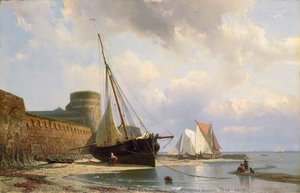
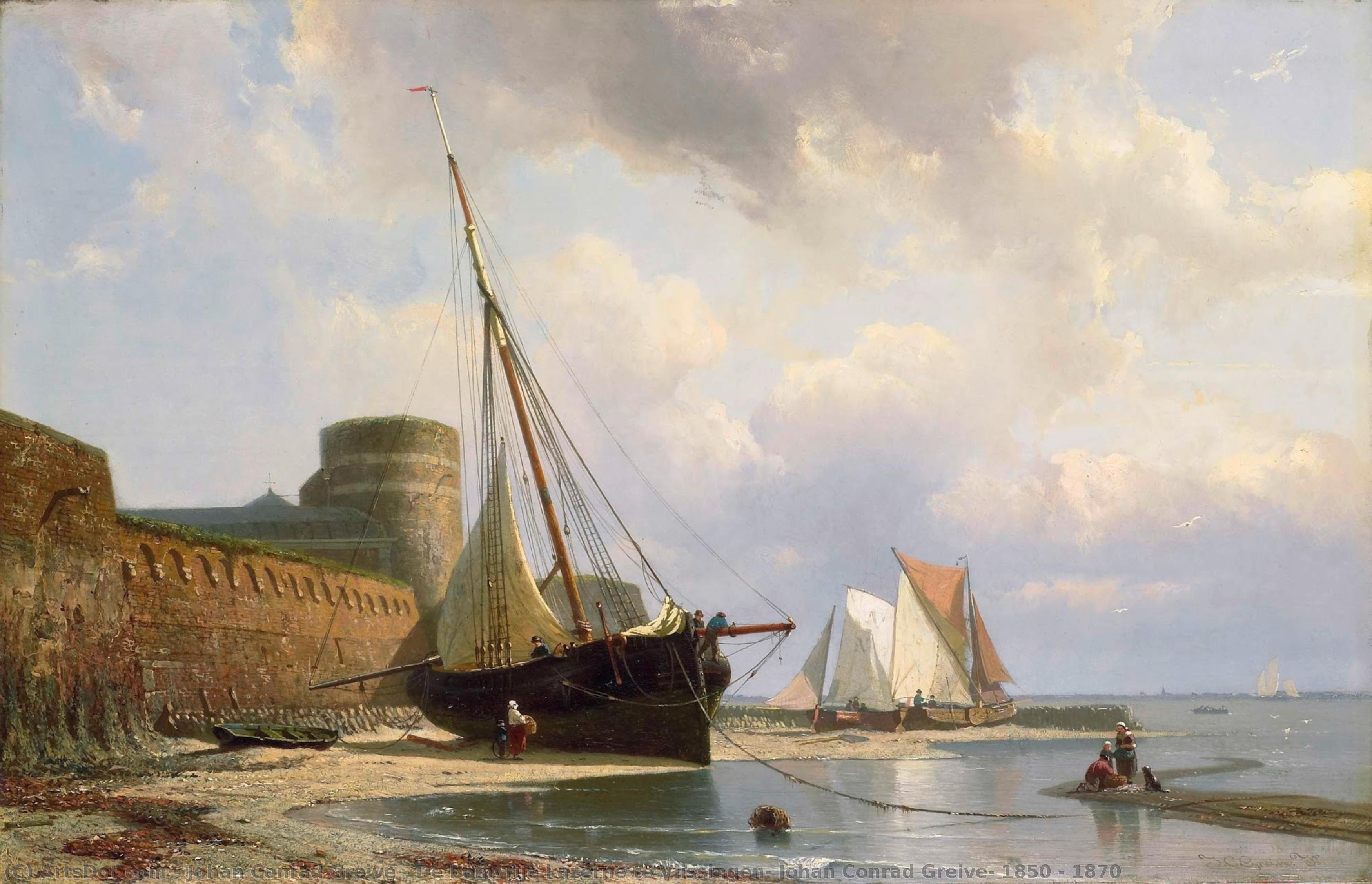
De bomvrije kazerne te Vlissingen, Johan Conrad Greive, 1850 - 1870
 1870
1870 33.0 x 51.0 cm
 Read More
Giclée / Art Print
Museum-quality giclée or canvas print with fast production and flexible finish options. ( Buy Hand Made Painting Buy Image)




































Pick from our preset sizes that match the artwork's original proportions.

You may enter your own dimensions to fit a specific frame or space. If your selected size does not match the original image's proportions, we will either crop the artwork or extend the image with a mirrored or solid-fill edge. A digital mockup will be sent for your approval before production begins.
Please note that the on-screen preview does not reflect the actual cropping or extension. Only the mockup will accurately show the final composition.
While custom sizes are available, we recommend selecting a dimension from the predefined list to preserve the original proportions.
Worldwide Delivery () in 2 weeks instead of standard 4/5 weeks. (28 August)

Free Worldwide Express Shipping

High-Quality Linen Canvas

Full Shipping Insurance

Customs Tax Refund Guarantee

True Color Matching Guarantee

60-Day Return Policy (Defects Only)

100% Money-Back Guarantee

Bulk Discount Offer
 Glass option is only available in size under 110 CM

De bomvrije kazerne te Vlissingen, Johan Conrad Greive, 1850 - 1870
Giclée / Art Print
Reproduction Size
-


Total Price
$ 63
Related Artworks









Artist Biography
The Enigmatic Landscapes of Johan Conrad Greive
Johan Conrad Greive remains a somewhat elusive figure in the pantheon of landscape painters, yet his contributions to 19th-century Dutch Romanticism are increasingly recognized for their atmospheric depth and subtle emotional power. Born in The Hague, Netherlands (the exact year is currently undocumented), Greive dedicated his life to capturing the nuanced beauty of the Low Countries’ natural world. Unlike many of his contemporaries who favored grand historical or mythological scenes, Greive found inspiration in the quiet dignity of marshes, expansive skies, and the play of light on water – subjects often overlooked but rendered with remarkable sensitivity in his work. His continued artistic activity into the present day speaks to a long and dedicated career, though detailed biographical information remains scarce, adding an intriguing layer of mystery to his oeuvre.Early Influences and Artistic Development
Greive’s early training is not extensively documented, however, it's clear that he emerged within a tradition deeply rooted in the Dutch Golden Age landscape painting. The influence of artists like Jacob van Ruisdael and Aert van der Neer is palpable in his initial works – a shared appreciation for meticulous detail, realistic depictions of cloud formations, and a restrained palette dominated by earthy tones and cool greys. However, Greive quickly moved beyond mere imitation. He absorbed the burgeoning Romantic sensibilities sweeping across Europe, particularly the work of English painters like J.M.W. Turner and John Constable.- Shift in Focus: While initially adhering to a more traditional Dutch style, Greive gradually embraced a looser brushstroke and a greater emphasis on atmospheric effects.
- Color Palette Evolution: His palette expanded to include richer blues and purples, reflecting the influence of Romantic color theory and a desire to convey mood rather than simply record visual reality.
- Subject Matter Preference: He increasingly focused on scenes that evoked a sense of solitude and contemplation – often depicting remote marshes, desolate coastlines, and dramatic weather conditions.