

 Preview
 Send
Send Share
Share
 Details

 Download
 Similars
 X-Ray
X-Ray Diaporama
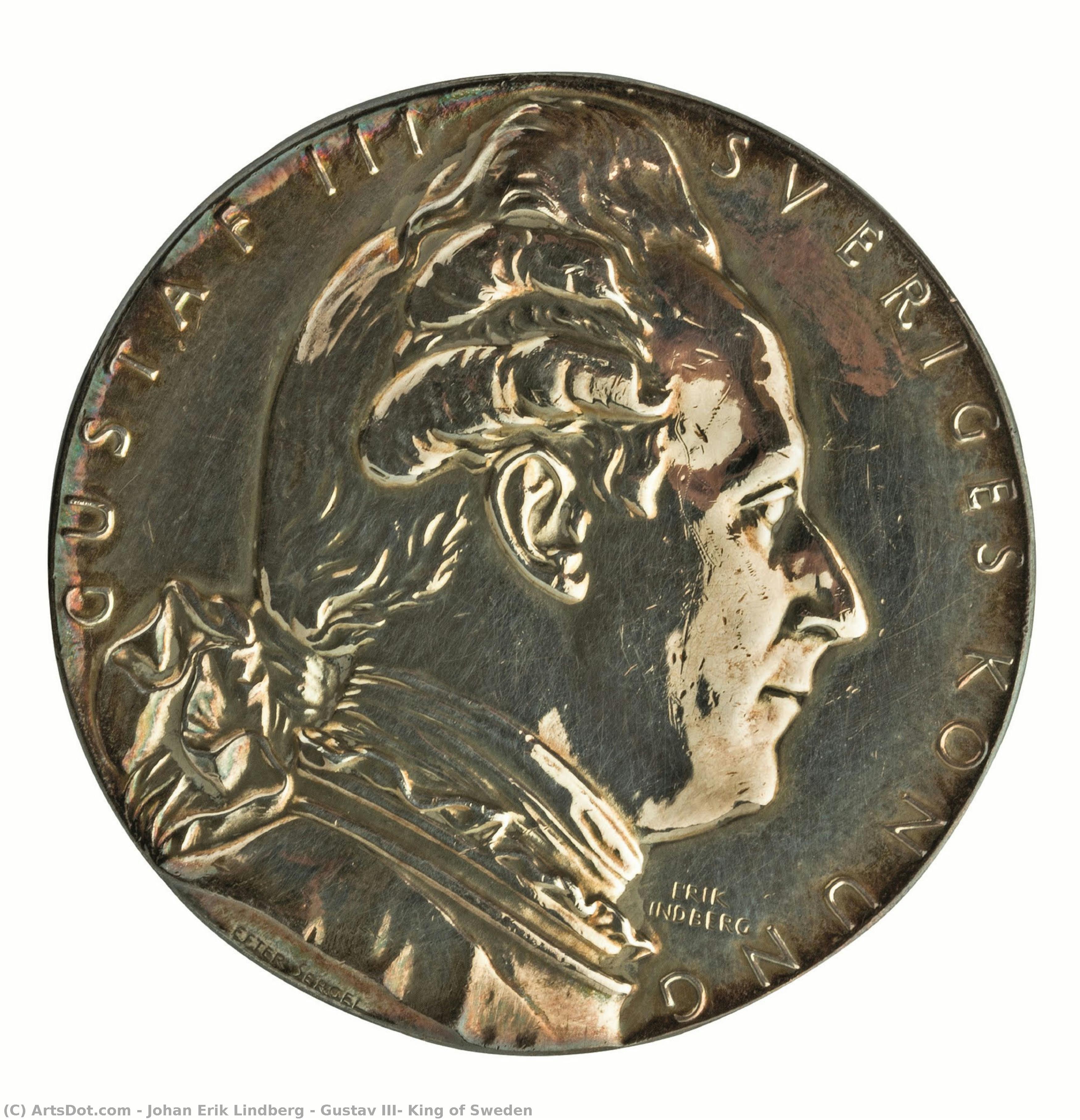
Gustav III, King of Sweden

 Read More
Purchase a high-resolution, enhanced digital image, far superior to the online preview.
Each file is meticulously prepared by our in-house specialists using advanced tools and expert manual retouching. We ensure every image has exceptional clarity, precise color accuracy, and fine detail.
The final file is delivered via email within 72 hours, optimized for immediate use in professional, editorial, and print environments. This is the same quality trusted by top-tier design studios, publishers, and galleries.
Digital Image
Download a high-resolution file for personal display, printing, and creative projects. ( Buy Print Buy Hand Made Painting)
Included in Every Digital Image Order
Expert Digital Delivery, Guaranteed
When you choose ArtsDot.com, you're not just getting an image - you're receiving a professionally enhanced digital artwork, crafted with precision and backed by a satisfaction guarantee. Here's everything that comes with your order, automatically:

Fast Email Delivery
Your high-resolution digital image file will be emailed to you within 72 hours of ordering - ready for immediate use.

AI-Enhanced Digital File
Your artwork is professionally optimized using advanced AI tools and manual editing, ensuring maximum detail, clarity, and color accuracy.

Free Lifetime Re-Delivery
Accidentally deleted or lost your file? No worries - we'll resend it to you anytime, free of charge.

No Import Fees - Ever
Enjoy your artwork instantly with zero customs, duties, or delivery fees - digital downloads are always tax-free.

Color Accuracy Guarantee
We ensure your digital image reflects the original colors as closely as possible using professional tools and color management.

60-Day Satisfaction Guarantee
If you're not satisfied with your digital image, we'll revise it or refund 100% within 60 days - no questions asked.

100% Money-Back Guarantee
Not satisfied? Get a full refund within 60 days of receiving your digital file - no questions asked.

Bulk Order Discounts
Buy 3 images, save 10% - Buy 5, save 15% - Buy 10+, save 20%. Great for creative projects, galleries, and agencies.
Related Artworks




Artist Biography
Early Life and Artistic Foundations
Johan Erik Lindberg, born in Stockholm on December 31st, 1873, was steeped in artistic heritage from a young age. His father, Johan Adolph Lindberg (1839–1916), himself a celebrated sculptor and professor at the Royal Swedish Academy of Fine Arts, instilled in him an unwavering passion for sculpting and engraving—a legacy that would profoundly shape his entire career. From 1892 to 1899, Lindberg diligently honed his craft under his father’s watchful eye, absorbing invaluable techniques and artistic sensibilities. Simultaneously, he pursued formal education at the Academy, graduating in 1897 with honors, marking a pivotal moment in establishing himself as an artistically proficient individual. Recognizing the transformative potential of Parisian influence, Lindberg embarked on a scholarly expedition around 1901–1902, immersing himself in the vibrant artistic milieu of France and encountering luminaries like Louis-Oscar Roty, Jules-Clément Chaplain, Ernest Paulin Tasset, and Frédéric-Charles-Victor de Vernon—engravers who championed innovative approaches to medal design. These encounters cemented Lindberg’s commitment to embracing modern stylistic trends while retaining a deep respect for classical traditions.Parisian Influences and Artistic Style
Lindberg's formative years in Paris proved instrumental in shaping his distinctive artistic style. He was captivated by the dynamism of Art Nouveau, particularly its flowing lines and organic motifs—a movement that resonated deeply with his innate inclination toward natural forms. However, he wasn’t solely confined to this aesthetic; glimpses of Art Deco’s geometric precision and streamlined elegance subtly permeated his oeuvre. Notably, Lindberg drew inspiration from the pioneering medal engravers of his time, whose experimentation with technique and materiality pushed boundaries and challenged conventional artistic conventions. These mentors championed a meticulous attention to detail—a hallmark of Lindberg's work—and encouraged him to explore new expressive possibilities within the medium of engraving. The influence of these masters is evident in Lindberg’s masterful rendering of textures and surfaces, creating sculptures and engravings that possess both elegance and technical sophistication.The Nobel Prize Medal Designs
Lindberg's most enduring contribution to artistic history lies in his creation of the medal designs for the Nobel Prizes—a commission entrusted to him in 1901 by the Nobel Foundation. This undertaking demanded exceptional skill and conceptual vision, as Lindberg was tasked with commemorating the laureates’ achievements across disciplines: physics, chemistry, physiology or medicine, and literature. Collaborating closely with Gustav Vigeland (1869–1943), sculptor of the Peace Prize medal, Lindberg embarked on a protracted process of refinement—addressing logistical challenges related to approval from the Prize-Giving association and meticulously perfecting the reverse designs. The resulting medals stand as testaments to Lindberg’s artistic prowess and his ability to convey profound symbolic meaning through sculptural form and engraving technique. Each medal embodies a carefully considered aesthetic, reflecting the spirit of its respective field while adhering to classical principles of composition and ornamentation—a stylistic hallmark that distinguishes Lindberg's work from many of his contemporaries.Sculptural Achievements and Legacy
Lindberg’s sculptural output extended beyond the Nobel Prize medals, encompassing a diverse range of projects reflecting his artistic versatility. He produced monumental sculptures for public spaces in Stockholm—most notably “The Shepherd” (*Oväsens Skulptur*)—demonstrating his mastery of form and material. His work showcased an unwavering dedication to capturing human emotion and conveying narratives through evocative imagery. Furthermore, Lindberg’s engagement as an engraver at the Royal Mint solidified his reputation as a craftsman of exceptional precision and artistry. He created commemorative medals celebrating significant historical events and honoring distinguished individuals—a testament to his ability to translate conceptual ideas into tangible artistic expressions. Today, Lindberg's sculptures reside prominently in the Nationalmuseum collection, ensuring that his artistic legacy continues to inspire admiration and scholarly inquiry. His enduring influence on Swedish sculpture is undeniable, cementing his place as one of the nation’s foremost artists of the late 19th and early 20th centuries.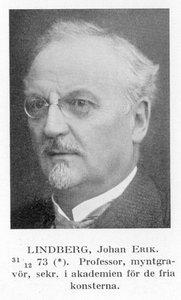
johan erik lindberg
1873 - 1966 , Sweden
Quick Facts
- Artistic Movement Or Style: Modern French Medal Engraving
- Artists Or Movements Influenced By This Artist: ['Gustav Vigeland']
- Artists Who Influenced This Artist:
- Louis-Oscar Roty
- Jules-Clément Chaplain
- Ernest Paulin Tasset
- Frédéric-Charles-Victor de Vernon
- Date Of Birth: Stockholm, Sweden (1873)
- Date Of Death: 1966
- Full Name: Johan Erik Lindberg
- Nationality: Swedish
- Notable Artworks: ['Nobel Prize Medals']
- Place Of Birth: Stockholm

