 Preview
 Send
Send Share
Share
 Details

 Download
 Similars
 X-Ray
X-Ray Diaporama
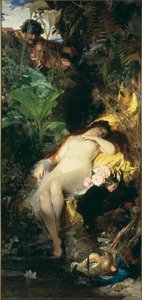
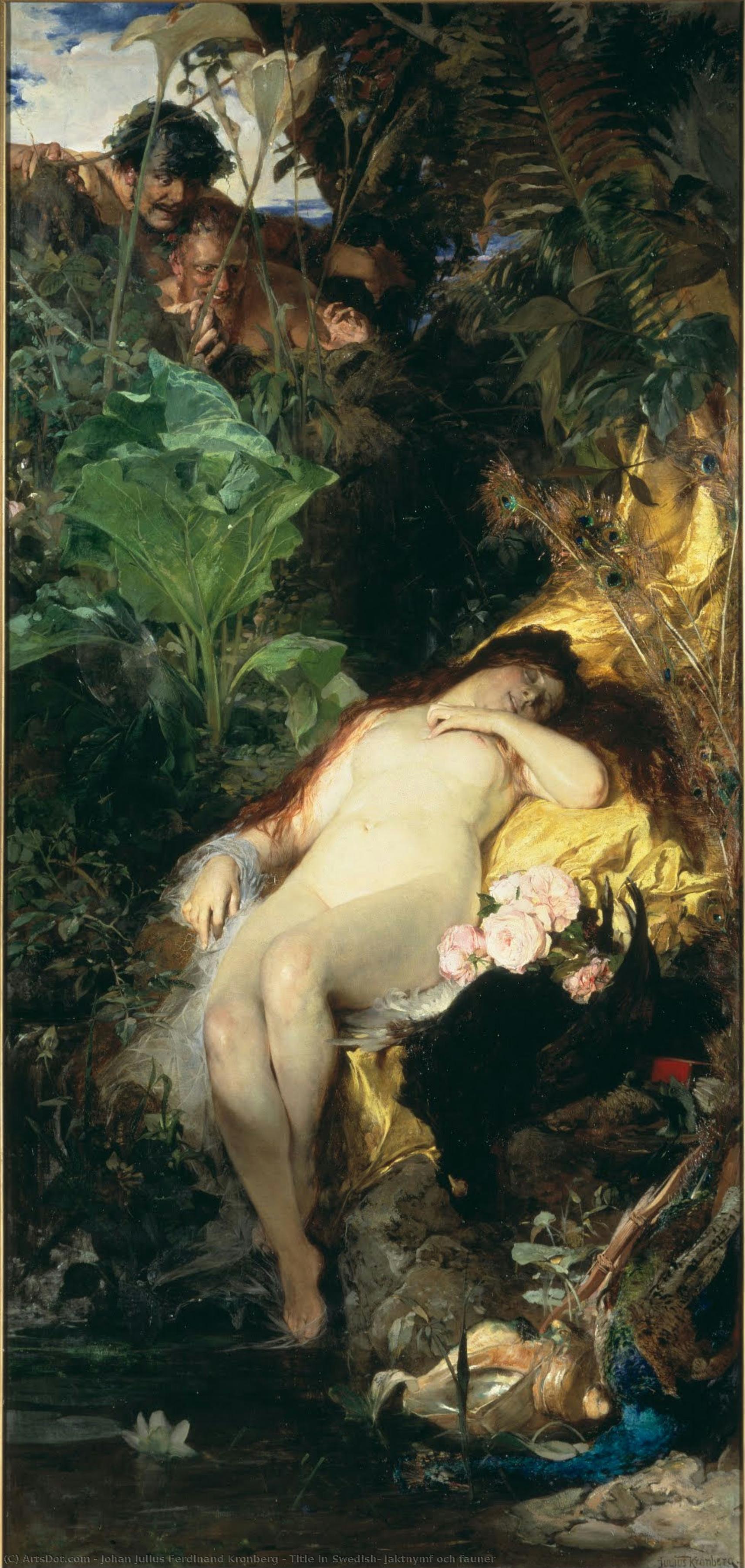
Title in Swedish: Jaktnymf och fauner
 Oil On Canvas
- WallArt
- Academic Art
 1875
1875- 19th Century
 1300.0 x 2690.0 cm
 Nationalmuseum
 Read More
Hand Made Oil Reproduction
Hand-painted oil on canvas in your size and frame, made to order by our artists. ( Buy Print Buy Image)




P118B $10

P118H $10

P118W $10

P438Z $10

P508JH $12

P508YH $12

P805H $10

P805Z $10

P919BZ $10

P919G $10

P919XJ $10

P959ZH $10

P968JZ $12

W106C $8

W218G $10

W218JH $8

W218Y $10

W307PJ $10

W316G $10

W316PJ $8

W316Y $10

W398PJ $8

W4111J $10

W500HY $15

W500JH $15

W692G $12

W849H $8

W940BG $15

W953PJ $8




Pick from our preset sizes that match the artwork's original proportions.

You may enter your own dimensions to fit a specific frame or space. If your selected size does not match the original image's proportions, we will either crop the artwork or extend the painting with additional hand-painted elements. A digital mockup will be sent for your approval before production begins.
Please note that the on-screen preview does not reflect the actual cropping or extension. Only the mockup will accurately show the final composition.
While custom sizes are available, we recommend selecting a dimension from the predefined list to preserve the original proportions.
After order, ArtsDot.com team will email client for instructions and provide a mockup preview
Worldwide Delivery () in 3/4 weeks instead of standard 5 weeks. (16 August). No compromise on quality.

Free Worldwide Express Shipping

High-Quality Linen Canvas

Full Shipping Insurance

Customs Tax Refund Guarantee

True Color Matching Guarantee

60-Day Return Policy (Defects Only)

100% Money-Back Guarantee

Bulk Discount Offer
 Glass option is only available in size under 110 CM

Title in Swedish: Jaktnymf och fauner
Reproduction Medium
Reproduction Size
-


Total Price
$ 263
Artwork Description
A Vision of Myth and Nature's Embrace
To gaze upon this magnificent depiction, Jaktnymf och fauner, is to step directly into a dreamscape woven from classical mythology and the lush abundance of nature. Johan Julius Ferdinand Kronberg masterfully captures a moment suspended in time—a scene where the wild beauty of the natural world intertwines seamlessly with the enigmatic allure of human figures. At its heart lies a vision of repose, featuring a seemingly naked nymph reclining amidst an opulent tapestry of flora. This central figure evokes a sense of serene vulnerability, as if she has been gently discovered by the surrounding woodland spirits.
The composition is richly populated; beyond the languid beauty of the main subject, several other figures are scattered throughout the frame—some observing from the periphery, others simply existing within the verdant embrace. The inclusion of multiple potted plants and the suggestion of birds taking flight adds layers of life and movement to what might otherwise be a static tableau. It is an ode to harmony, suggesting that even in moments of private contemplation, nature’s watchful eye—and its inherent magic—is ever-present.
The Allure of the Munich School
Kronberg’s technique places this work firmly within the vibrant currents of late nineteenth-century European painting, particularly echoing the dramatic flair associated with the Munich School. Having trained in esteemed centers like Düsseldorf and Munich, Kronberg absorbed a style that prioritized coloristic effect and sumptuous detail. This is not merely a depiction; it is an exercise in visual splendor. The artist’s admiration for masters like Hans Makart is palpable in the way light plays across skin, foliage, and drapery alike. Color becomes a primary narrative tool, used to build atmosphere and guide the viewer's eye through the complex interplay of figures and plant life.
The sheer scale of this piece—a monumental 1300 x 2690 cm—demands attention, allowing Kronberg’s mastery of color and light to unfold with breathtaking scope. The effect is one of overwhelming richness, making it a dramatic focal point for any grand interior space.
Symbolism and Sensuality in Art
The subject matter itself invites deep contemplation regarding the boundaries between civilization and wilderness. The nymph, often a symbol of untamed nature and fertility, lies at the nexus of this tension. She is observed by fauns—figures embodying wild, rustic energy—suggesting themes of secret encounters, mythological narrative, and the inherent sensuality woven into the fabric of pastoral life. Historically, the painting caused considerable discussion upon its exhibition in Stockholm; some found its overt suggestion too provocative, while others hailed it as a pinnacle of artistic achievement. This tension between sublime beauty and suggestive mystery is what gives the work its enduring power.
For the modern collector or designer, this piece offers more than just decoration; it offers narrative depth. It speaks to an era fascinated by myth, romance, and the dramatic interplay between human desire and natural perfection.
A Legacy of Masterful Reproduction
Owning a reproduction of Jaktnymf och fauner is acquiring a piece of art history itself. While the original captures the vibrant energy of 1875, our hand-painted reproductions allow you to bring this celebrated vision into your contemporary home or studio. Our artisans meticulously study Kronberg’s brushwork and color palette, ensuring that the sumptuous quality and emotional resonance of his breakthrough work are faithfully translated onto a new canvas. It is an opportunity to immerse yourself in the romanticism of the late nineteenth century without sacrificing modern elegance.
Related Artworks

Artist Biography
The Visionary Brush of Johan Julius Ferdinand Kronberg
In the golden twilight of the nineteenth century, a period defined by the tension between romantic idealism and the burgeoning realism of the modern age, Johan Julius Ferdinand Kronberg emerged as a profound voice in Swedish art. Born in Stockholm in 1850, Kronberg possessed an innate ability to bridge the gap between the tangible natural world and the ethereal realms of myth. His journey into the heart of artistic mastery began with an extraordinary feat: gaining admission to the prestigious Royal Swedish Academy of Fine Arts at the tender age of thirteen. This early immersion in a rigorous academic environment allowed him to absorb the techniques of luminaries such as Johan Christoffer Boklam and Johan Fredrik Höckert, mentors who instilled in him a lifelong devotion to meticulous observation and emotive depth.
Kronberg’s artistic evolution was marked by a sophisticated command of oil on canvas, a medium he utilized to explore the interplay of light, texture, and atmosphere. His work often oscillates between two distinct yet harmonious poles: the serene, grounded beauty of the Scandinavian landscape and the dramatic, often sensual, narratives of classical mythology. This duality allowed him to capture not just the physical essence of his subjects, but their psychological and spiritual weight. Through delicate brushwork and a nuanced color palette, he could transform a simple woodland scene into a stage for the divine, or render a mythological figure with such lifelike vitality that they seemed to breathe within the frame.
Mastery of Myth and Nature
The true brilliance of Kronberg lies in his ability to weave storytelling into the very fabric of his compositions. One cannot discuss his legacy without reflecting on his 1875 masterpiece, Jaktnymf och fauner. In this breathtaking tableau, the artist invites the viewer into a lush, vibrant world where the boundaries between the human and the supernatural blur. The painting serves as a testament to his skill in capturing the allure of nature through a mythological lens, using light to highlight the delicate forms of nymphs and fauns amidst an enchanting forest setting. It is a work that exemplifies the Romantic spirit, celebrating beauty, desire, and the untamed magic of the wild.
Beyond his mythological pursuits, Kronberg’s oeuvre includes significant explorations of portraiture and landscape that showcase his versatility. His ability to navigate different themes is evident in works such as:
- Olympia (circa 1875), a piece that demonstrates his mastery of form and the classical aesthetic.
- The Schwartz Girls (1883), which highlights his capacity for capturing human character and social nuance.
- His various landscape studies, which remain celebrated for their atmospheric depth and ability to evoke the quiet majesty of the Swedish terrain.
A Lasting Legacy in Swedish Art
As a decorative painter and a fine artist, Kronberg’s influence extended beyond the canvas into the broader aesthetic fabric of his era. His work contributed to a period of significant cultural flourishing in Sweden, helping to establish a national artistic identity that was both deeply rooted in local landscapes and intellectually connected to the wider European traditions of mythology and Romanticism. Though he passed away in 1921, the impact of his vision remains palpable.
Today, Kronberg is remembered not merely as a skilled technician, but as a storyteller who used color and light to explore the eternal themes of existence. His paintings continue to resonate with modern audiences, offering a window into a time when art sought to find the extraordinary within the ordinary, and where every shadow in a forest or glint of light on skin could hint at the presence of the gods. Through his dedication to the craft, Johan Julius Ferdinand Kronberg secured his place as a cornerstone of nineteenth-century Swedish art history.
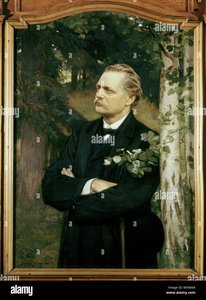
johan julius ferdinand kronberg
1850 - 1921 , Sweden
Quick Facts
- Artistic Movement Or Style: Oil painting on canvas; Decorative Painting
- Artists Or Movements Influenced By This Artist: ['Romanticism']
- Artists Who Influenced This Artist:
- Johan Christoffer Boklund
- Johan Fredrik Höckert
- Date Of Birth: December 11, 1850
- Date Of Death: October 17, 1921
- Full Name: Johan Julius Ferdinand Kronberg
- Nationality: Swedish
- Notable Artworks:
- Jaktnymf och fauner
- Olympia
- The Schwartz Girls
- Place Of Birth: Stockholm, Sweden
Related Articles

Giclée Prints: Archival Quality & Aesthetic Nuances for the Discerning Collector
Explore the world of giclée prints with ArtsDot. Learn about archival quality, aesthetic nuances & investment potential. Expert guidance for discerning art collectors seeking museum-quality reproductions and lasting value.

Echoes of Time: Exploring the Enduring Appeal & Historical Context of Vintage Art Prints
Explore the captivating world of vintage art prints! Discover their history, collecting tips & enduring appeal. Expert insights on chromolithography and building a legacy collection with ArtsDot.
19th Century Masterpieces: 10 Paintings That Defined an Era | ArtsDot
Journey through 19th century art with ArtsDot! Explore 10 iconic paintings – from Monet & Renoir to Courbet – and discover the stories behind Romanticism, Realism & Impressionism. Find museum-quality reproductions for your home decor. Explore the full collection online!
Academic Realism's Finest: 10 Masterpieces for Art Lovers & Home Decor
Explore 10 defining Academic Realism masterpieces by Bouguereau, Gérôme & Cabanel. Discover the stories behind these iconic paintings and bring timeless art into your home with museum-quality reproductions from ArtsDot.com. Explore the full collection online!

The Enduring Legacy of Fine Art Prints: Technique, History & Aesthetic Impact
Explore the rich history & techniques of fine art prints. Discover investment potential, assess authenticity, and learn how to preserve your collection with expert guidance. Trusted insights for discerning collectors.