 Preview
 Send
Send Share
Share
 Details

 Download
 Similars
 X-Ray
X-Ray Diaporama
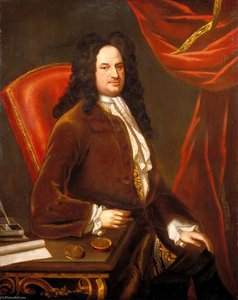
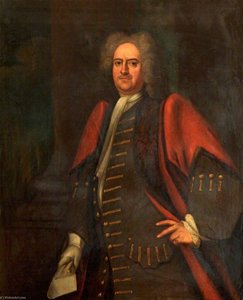
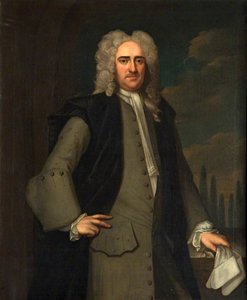
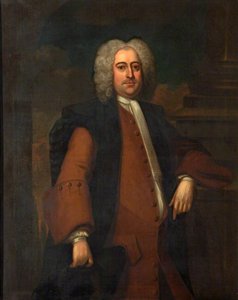
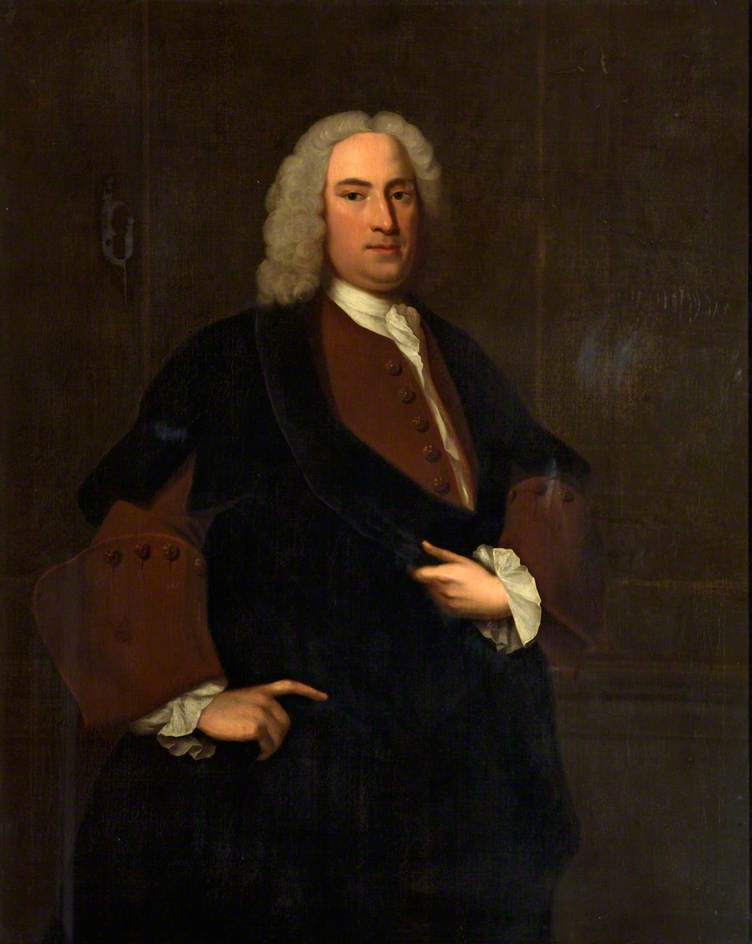
Thomas Atwood Senior, City Councillor
 1728
1728 128.0 x 102.0 cm
 Bath Guildhall
 Read More
Giclée / Art Print
Museum-quality giclée or canvas print with fast production and flexible finish options. ( Buy Hand Made Painting Buy Image)




































Pick from our preset sizes that match the artwork's original proportions.

You may enter your own dimensions to fit a specific frame or space. If your selected size does not match the original image's proportions, we will either crop the artwork or extend the image with a mirrored or solid-fill edge. A digital mockup will be sent for your approval before production begins.
Please note that the on-screen preview does not reflect the actual cropping or extension. Only the mockup will accurately show the final composition.
While custom sizes are available, we recommend selecting a dimension from the predefined list to preserve the original proportions.
Worldwide Delivery () in 2 weeks instead of standard 4/5 weeks. (24 August)

Free Worldwide Express Shipping

High-Quality Linen Canvas

Full Shipping Insurance

Customs Tax Refund Guarantee

True Color Matching Guarantee

60-Day Return Policy (Defects Only)

100% Money-Back Guarantee

Bulk Discount Offer
 Glass option is only available in size under 110 CM

Thomas Atwood Senior, City Councillor
Giclée / Art Print
Reproduction Size
-


Total Price
$ 63
Related Artworks









Artist Biography
The Painter of Dignified Presence
Johan van Diest (1695 – 1757) stands as a singular figure in Dutch portraiture during the Enlightenment, distinguished not merely by his technical skill but by an unwavering commitment to capturing the essence of character and conveying profound dignity. Unlike many of his contemporaries who prioritized superficial beauty or flamboyant display, Van Di Diest’s canvases offer glimpses into the inner lives of his subjects—nobles, statesmen, and military leaders—presenting them as embodiments of virtue and intellect. His work serves as a window into an era where the portrait was more than a mere likeness; it was a profound study of power, duty, and the indomitable spirit of a changing world.
Born in Leiden, Van Diest received a rigorous artistic education that deeply embedded the legacy of the Dutch Masters within his technique. The influence of Rembrandt Harmensz van Rijn is particularly palpable in his approach to light; the masterful use of chiaroscuro—the dramatic interplay between deep shadows and brilliant highlights—became a cornerstone of his style. This ability to orchestrate light allowed him to breathe life into his subjects, lending an air of contemplative wisdom to even the most formidable military figures. While the shadows provided depth, his application of thin glazes over meticulous underdrawings achieved a remarkable luminosity, allowing him to render the textures of silk, lace, and heavy military regalia with astonishing realism.
Mastery of Detail and Command
The technical precision of Van Diest’s oeuvre is characterized by an almost sculptural quality. He employed a painstaking layering process that allowed for a tactile experience, where the viewer can almost feel the sheen of a commander's uniform or the delicate crispness of a cravat. This meticulous attention to detail was not merely decorative but served a narrative purpose, reinforcing the status and authority of his sitters. His portraits often juxtapose the structured, formal elegance of human attire against dramatic, rugged landscapes, creating a powerful symbolic dialogue between the order of civilization and the untamed majesty of nature.
His notable commissions reflect the high esteem in which he was held by the European elite. Among his most celebrated works are depictions of:
- Willem III, Prince of Orange, capturing the weight of royal responsibility.
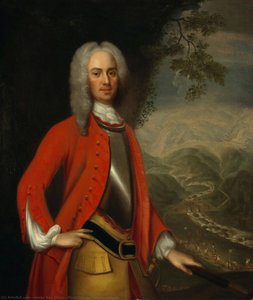
- Field-Marshal George Wade, a masterpiece from 1731 that exemplifies the intersection of military authority and natural majesty through vibrant red attire and commanding presence.
- General George Wade, where Baroque elegance meets the raw power of a seasoned leader.
- Cornelis Tromp, the commander-in-chief of the Dutch West Indies fleet, rendered with psychological insight.
Legacy of the Enlightenment
While the shadows of Rembrandt, Rubens, and Caravaggio loom large over his formative years, Van Diest forged a path uniquely his own. His artistic legacy is defined by an uncompromising pursuit of dignity and a refusal to succumb to the purely ornamental. In an age of expansion and conflict, his portraits provided a sense of permanence and moral weight. Through his ability to capture both the physical likeness and the psychological depth of his subjects, Johan van Diest ensured that his work would remain a vital record of the individuals who shaped the political and military landscape of the eighteenth century.
johan van diest
1695 - 1757
Quick Facts
- Artistic Movement Or Style: Classical Portraiture
- Artists Who Influenced This Artist:
- Peter Paul Rubens
- Rembrandt
- Date Of Birth: 1695
- Date Of Death: 1757
- Full Name: Johan van Diest
- Nationality: Dutch
- Notable Artworks:
- Portrait of Willem III
- Portrait of Johan Casimir van Nassau-Siegen
- Place Of Birth: Amsterdam, Netherlands