 Preview
 Send
Send Share
Share
 Details

 Download
 Similars
 X-Ray
X-Ray Diaporama
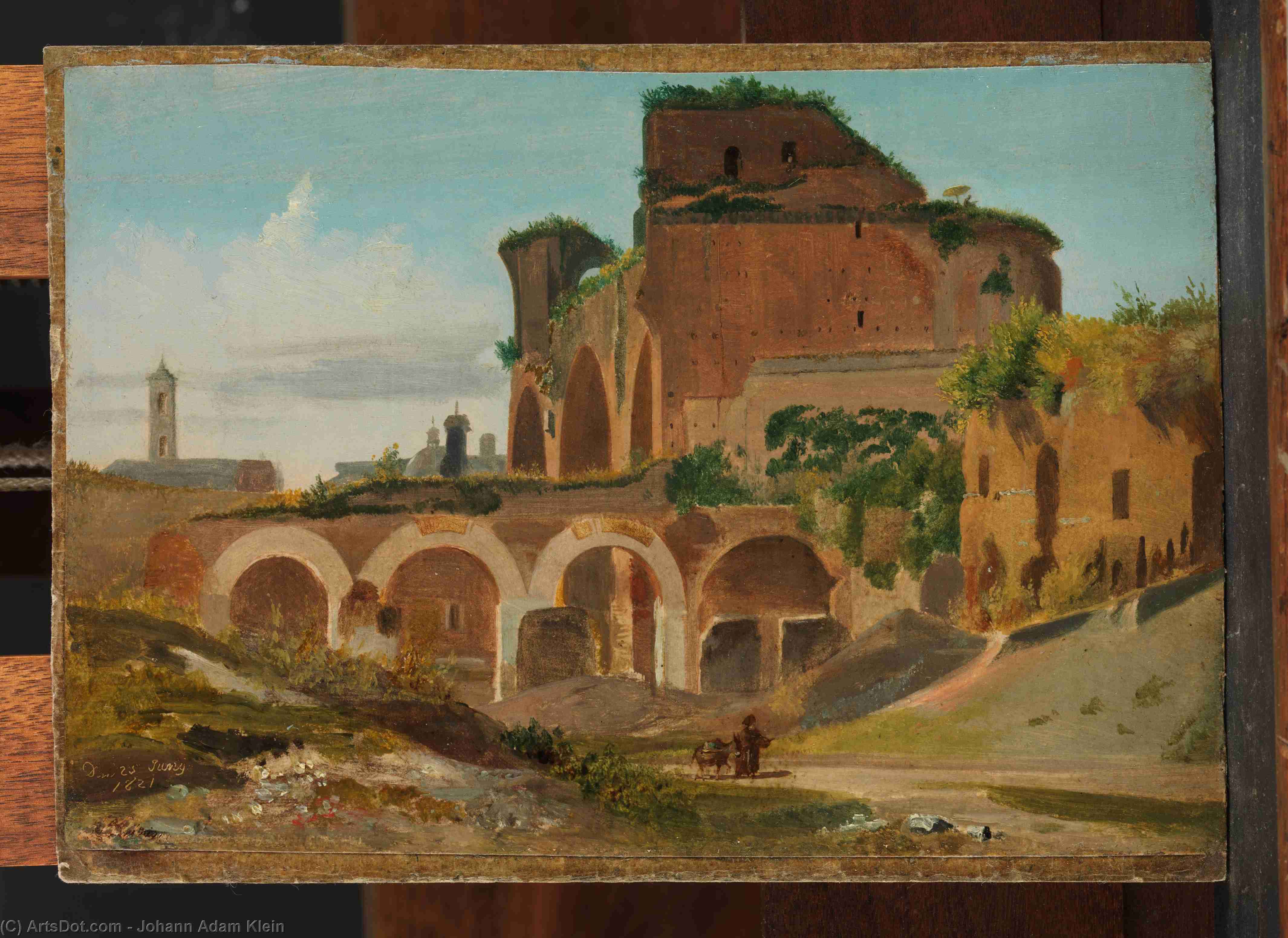
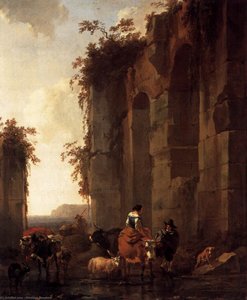
The Basilica of Constantine, Rome (1821)
 Read More
Purchase a high-resolution, enhanced digital image, far superior to the online preview.
Each file is meticulously prepared by our in-house specialists using advanced tools and expert manual retouching. We ensure every image has exceptional clarity, precise color accuracy, and fine detail.
The final file is delivered via email within 72 hours, optimized for immediate use in professional, editorial, and print environments. This is the same quality trusted by top-tier design studios, publishers, and galleries.
Digital Image
Download a high-resolution file for personal display, printing, and creative projects. ( Buy Print Buy Hand Made Painting)
Included in Every Digital Image Order
Expert Digital Delivery, Guaranteed
When you choose ArtsDot.com, you're not just getting an image - you're receiving a professionally enhanced digital artwork, crafted with precision and backed by a satisfaction guarantee. Here's everything that comes with your order, automatically:

Fast Email Delivery
Your high-resolution digital image file will be emailed to you within 72 hours of ordering - ready for immediate use.

AI-Enhanced Digital File
Your artwork is professionally optimized using advanced AI tools and manual editing, ensuring maximum detail, clarity, and color accuracy.

Free Lifetime Re-Delivery
Accidentally deleted or lost your file? No worries - we'll resend it to you anytime, free of charge.

No Import Fees - Ever
Enjoy your artwork instantly with zero customs, duties, or delivery fees - digital downloads are always tax-free.

Color Accuracy Guarantee
We ensure your digital image reflects the original colors as closely as possible using professional tools and color management.

60-Day Satisfaction Guarantee
If you're not satisfied with your digital image, we'll revise it or refund 100% within 60 days - no questions asked.

100% Money-Back Guarantee
Not satisfied? Get a full refund within 60 days of receiving your digital file - no questions asked.

Bulk Order Discounts
Buy 3 images, save 10% - Buy 5, save 15% - Buy 10+, save 20%. Great for creative projects, galleries, and agencies.
Related Artworks







Artist Biography
A Chronicler of the Rhine: The Life and Art of Johann Adam Klein
Johann Adam Klein, born in 1792, was a German painter whose work offers a fascinating glimpse into the Romantic era’s preoccupation with both meticulous observation and idealized landscapes. While not a household name like some of his contemporaries, Klein carved out a unique niche for himself as a chronicler of the Rhine River valley, its people, and its animal life. His career unfolded against a backdrop of significant social and political change in Europe, influencing his artistic choices and ultimately shaping a body of work that blends scientific accuracy with poetic sensibility. Little is known about Klein’s early life or formal training; he appears to have been largely self-taught, developing his skills through dedicated study of nature and the works of earlier masters. This independent path allowed him to cultivate a distinctive style, free from rigid academic constraints. He lived until 1875, witnessing firsthand the rise of industrialization and its impact on the traditional rural life he so often depicted.From Animal Studies to Panoramic Vistas
Klein initially gained recognition for his remarkably detailed animal studies. These were not merely representations of fauna; they possessed a striking realism that suggested an intimate understanding of anatomy, behavior, and habitat. He captured the subtle nuances of fur, feather, and muscle with painstaking precision, elevating these creatures beyond simple subjects to become compelling portraits in their own right. However, Klein’s artistic ambitions extended beyond individual animals. He soon began incorporating them into broader landscape compositions, specifically focusing on the Rhine region. This marked a pivotal shift in his career – from a focus on isolated natural elements to expansive panoramic vistas that captured the essence of the river and its surrounding environment. His paintings became increasingly ambitious in scale and scope, aiming to convey not just the physical beauty of the Rhine but also its historical significance and cultural importance. He was commissioned by Prussian authorities to document the Rhine’s landscapes as part of a larger surveying project, providing him with opportunities to travel extensively along the river and create a comprehensive visual record.Influences and Artistic Development
While Klein's style was largely self-developed, certain artistic influences are discernible in his work. The Dutch Golden Age masters, particularly those known for their animal paintings – artists like Paulus Potter and Jan Weenix – likely provided early inspiration regarding technique and realism. The Romantic movement, with its emphasis on emotion, individualism, and the sublime power of nature, profoundly shaped Klein’s artistic vision. Artists such as Caspar David Friedrich, whose landscapes evoked a sense of awe and spiritual contemplation, undoubtedly influenced his approach to composition and atmosphere. Furthermore, Klein's travels in Italy exposed him to Classical art and architecture, elements that occasionally appear in the backgrounds of his Rhine paintings, adding a layer of historical depth and cultural context. His work is not overtly dramatic like some Romantic painters, but rather possesses a quiet dignity and understated beauty, reflecting a more restrained sensibility. He skillfully blended these diverse influences into a unique style characterized by meticulous detail, atmospheric perspective, and a deep appreciation for the natural world.Major Achievements and Historical Significance
Klein’s most significant achievement lies in his comprehensive documentation of the Rhine River valley during a period of rapid change. His paintings serve as invaluable historical records, capturing the landscapes, architecture, and daily life of the region before they were irrevocably altered by industrialization. The commissions he received from the Prussian government attest to the value placed on his work for its accuracy and detail. Beyond their documentary importance, Klein’s paintings are also admired for their artistic merit. His skillful use of light and shadow creates a sense of depth and atmosphere, while his meticulous attention to detail brings the landscapes to life. He was able to capture the unique character of each location along the Rhine, from the bustling port cities to the quiet rural villages. His work provides insight into the Romantic era’s fascination with national identity and its connection to the natural landscape. While he may not be as widely recognized as some of his contemporaries, Johann Adam Klein remains an important figure in German art history, a testament to the power of observation, dedication, and artistic skill.Legacy
- Klein’s paintings are held in numerous public and private collections throughout Germany.
- His work continues to be studied by art historians for its historical significance and artistic merit.
- He is considered a key figure in the development of 19th-century German landscape painting.
- The detailed accuracy of his Rhine landscapes makes them valuable resources for researchers studying the region’s history and environment.
- His legacy lies in his ability to blend scientific observation with poetic sensibility, creating paintings that are both informative and emotionally engaging.