 Preview
 Send
Send Share
Share
 Details

 Download
 Similars
 X-Ray
X-Ray Diaporama
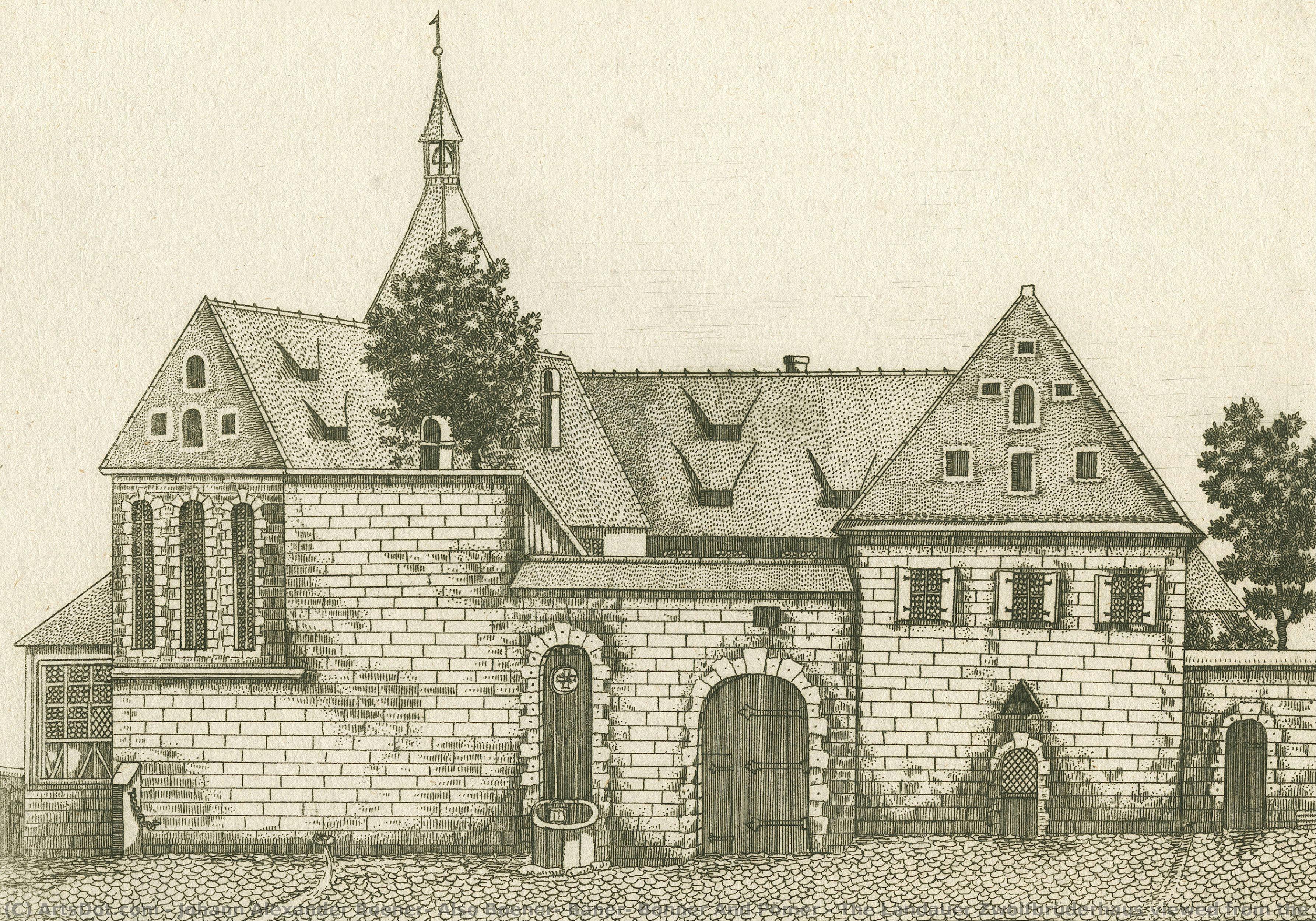
The Landauer Zwölfbrüderhaus viewed from the east


 Read More
Hand Made Oil Reproduction
Hand-painted oil on canvas in your size and frame, made to order by our artists. ( Buy Print Buy Image)




































Pick from our preset sizes that match the artwork's original proportions.

You may enter your own dimensions to fit a specific frame or space. If your selected size does not match the original image's proportions, we will either crop the artwork or extend the painting with additional hand-painted elements. A digital mockup will be sent for your approval before production begins.
Please note that the on-screen preview does not reflect the actual cropping or extension. Only the mockup will accurately show the final composition.
While custom sizes are available, we recommend selecting a dimension from the predefined list to preserve the original proportions.
After order, ArtsDot.com team will email client for instructions and provide a mockup preview
Worldwide Delivery () in 3/4 weeks instead of standard 5 weeks. (6 September). No compromise on quality.

Free Worldwide Express Shipping

High-Quality Linen Canvas

Full Shipping Insurance

Customs Tax Refund Guarantee

True Color Matching Guarantee

60-Day Return Policy (Defects Only)

100% Money-Back Guarantee

Bulk Discount Offer
 Glass option is only available in size under 110 CM

The Landauer Zwölfbrüderhaus viewed from the east
Reproduction Medium
Reproduction Size
-


Total Price
$ 263
A Window into Nuremberg's Architectural Soul
In this evocative black and white drawing from the year 1700, we are transported to a bygone era of German architectural grandeur. The piece, titled The Landauer Zwölfbrülamhaus viewed from the east, serves as a profound visual testament to the craftsmanship of Johann Alexander Boener. Through his masterful use of line and tonal contrast, Boener captures the imposing presence of the Zwölfbrüderhaus, a structure that stands not merely as stone and mortar, but as a silent witness to centuries of history. The composition invites the viewer to wander through the streets of Nuremberg, feeling the weight of the clock tower's shadow and the rhythmic pattern of countless windows that punctuate the building's facade.
The artist’s technique is nothing short of extraordinary for an engraver of this period. By utilizing a delicate interplay of light and dark, Boener breathes life into the static architecture. The two visible clocks, positioned with careful precision, act as temporal anchors within the scene, reminding us of the relentless passage of time that has shaped the city. The surrounding smaller buildings, rendered with varying degrees of detail, create a sense of deep spatial perspective, drawing the eye from the solitary figure at the base toward the soaring heights of the central tower. This meticulous attention to structural depth provides an immersive experience, making the viewer feel less like an observer and more like a participant in this historical moment.
The Elegance of Monochrome and Historical Resonance
For the discerning collector or interior designer, this artwork offers a timeless aesthetic that transcends modern trends. The monochromatic palette lends a sophisticated, scholarly air to any space, making it an ideal centerpiece for libraries, studies, or classical living rooms. There is a certain melancholic beauty in the absence of color; without the distraction of hue, one is forced to confront the raw texture of the stone and the intricate geometry of the architecture. This simplicity allows the piece to integrate seamlessly into various decor styles, from traditional European estates to contemporary minimalist galleries, providing a touch of historical gravity and intellectual depth.
Beyond its decorative value, the drawing carries a deep emotional resonance. The presence of a lone figure near the bottom of the frame introduces a human element of contemplation and awe. This small detail transforms the work from a mere architectural study into a narrative about human connection to our built environment. It evokes feelings of nostalgia and reverence for the heritage of Nuremberg. Owning a high-quality reproduction of this piece is more than an acquisition of art; it is an act of preserving a fragment of cultural memory, allowing the spirit of the 18th century to reside within a modern home.
Related Artworks



Artist Biography
Giovanni Lanfranco: Architect of Baroque Illusion
Born in Terenzo, near Parma, in 1582 and passing away in Rome in 1647, Giovanni Lanfranco stands as a pivotal figure in the transition from Mannerism to the High Baroque. He wasn’t merely a painter; he was an architect of illusion, a master of spatial depth and dramatic perspective who profoundly influenced generations of artists across Europe. His career, marked by both brilliance and controversy, reveals a complex interplay between artistic innovation, papal patronage, and the evolving demands of Roman painting.
Lanfranco’s early training under Agostino Carracci in Bologna provided him with a solid foundation in classical principles. However, it was his time spent assisting Annibale Carracci at the Palazzo Farnese that truly shaped his artistic vision. He absorbed the lessons of perspective and composition, but crucially, he developed an independent style characterized by dynamic movement, theatrical lighting, and a willingness to push the boundaries of illusionistic space. This experimentation would become central to his legacy.
His move to Rome in 1602 marked a turning point. Initially overshadowed by Domenichino, Lanfranco steadily gained recognition for his ability to create monumental frescoes that commanded attention and evoked a sense of grandeur. His early works, such as the *Ecstasy of Saint Teresa* (1608-13) for the Palazzo Zuccari, demonstrated his mastery of color and dramatic gesture, but it was his work in the dome of S. Andrea della Valle that truly cemented his reputation. Here, he employed Correggio’s principles of aerial perspective to create a breathtaking illusion of infinite space, establishing a precedent for future Baroque architects and painters.
The Dome of S. Andrea: A Revolutionary Space
The dome of S. Andrea della Valle is arguably Lanfranco's most significant achievement. It represents a radical departure from the static, centralized designs that had dominated Renaissance painting. Instead of presenting a single, unified image, Lanfranco created a dynamic, multi-layered space filled with figures and architectural elements receding into an atmospheric distance. He drew inspiration from the dome paintings of Correggio in Parma, adapting their techniques to the Roman context.
Bellori, a contemporary critic, famously compared Lanfranco’s handling of figures to the harmonious blending of voices in a choir, highlighting the artist's ability to create a sense of unity and coherence within a complex composition. The fresco is not simply a decorative scheme; it’s a carefully constructed illusion that engages the viewer’s spatial perception and invites them into a world of theatrical drama.
A Journey to Suriname: Observation and Innovation
In 1634, Lanfranco accepted a commission from Cardinal Federico Borromeo to decorate the cathedral in Naples. However, he soon grew restless with the constraints of the project and sought new challenges. In 1638, he embarked on an extraordinary journey to Suriname, then a Dutch colony in South America, accompanied by his daughter, Isabella. This expedition was driven by a desire to study insects and their life cycles firsthand – a radical departure from the traditional practice of relying on preserved specimens.
Lanfranco’s time in Suriname proved transformative. He meticulously observed and documented the flora and fauna of the region, creating detailed drawings and watercolors that captured the vibrant colors and exotic forms of the New World. This experience profoundly influenced his later work, particularly his *Insects of Surinam* (1647-48), a lavishly illustrated volume that showcased his newfound understanding of natural history. The book was a remarkable achievement, combining scientific observation with artistic skill and demonstrating Lanfranco’s commitment to empirical research.
Legacy and Influence
Giovanni Lanfranco's legacy extends far beyond his individual works. He played a crucial role in shaping the development of Baroque painting in Rome, establishing new standards for illusionistic space and dramatic composition. His influence can be seen in the work of numerous artists, including Gianlorenzo Bernini, whose *Memorial to Maria Raggi* (1647) demonstrates Lanfranco’s impact on the use of perspective and theatricality.
His *Insects of Surinam* remains a testament to his pioneering spirit and his willingness to challenge conventional artistic practices. It is a remarkable synthesis of scientific observation, artistic skill, and humanist curiosity – a work that continues to inspire admiration and scholarly interest today. Lanfranco’s life and career represent a fascinating intersection of art, science, and exploration, solidifying his place as one of the most important figures in the history of Baroque painting.
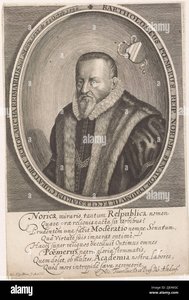
johann alexander boener, also boener, bäner, bönner and pömer
1647 - 1720 , Germany
Quick Facts
- Artistic Movement Or Style: Baroque
- Artists Or Movements Influenced By This Artist: ["Lanfranco's style spread throughout Europe"]
- Artists Who Influenced This Artist:
- Carracci
- Correggio
- Date Of Birth: 1582
- Date Of Death: 1647
- Full Name: Giovanni Lanfranco
- Nationality: Italian
- Notable Artworks:
- Assumption of the Virgin
- Ecstasy of Blessed Margaret
- Place Of Birth: Terenzo, nr. Parma
Related Articles

White on Canvas: 10 Masterpieces & Timeless Elegance for Your Home Decor
Explore 10 iconic white paintings by Monet, Whistler & Rothko! Discover the stories behind these serene masterpieces and their impact on art history. Find museum-quality reproductions for your home decor at .

Dark Masterpieces: 10 Iconic Paintings Dominated by Black Tones |
Explore 10 iconic paintings dominated by black tones, from Rembrandt’s chiaroscuro to Goya's dark expressions. Discover the stories behind these masterpieces & find museum-quality art reproductions for your home at .

Monochrome Visions: Exploring the Aesthetic & Historical Significance of Black & White Photography
Explore the rich history & artistic power of black and white photography. From early techniques to iconic masters like Ansel Adams, discover why monochrome continues to captivate art lovers today. Expert insights for collectors.
Mars Black Masterpieces: 10 Iconic Paintings & Timeless Art Decor Ideas
Delve into the power of 'Mars Black' with 10 iconic paintings by masters like Rembrandt & Caravaggio. Explore dramatic chiaroscuro, gothic art, and timeless beauty. Find museum-quality reproductions & elevate your home decor on .
The Nuances of Graphite: Exploring Emotional Depth & Technical Mastery in Pencil Drawing
Explore the captivating world of graphite drawing! Discover its rich history, master essential techniques like chiaroscuro, and learn how artists evoke emotion through this timeless medium. Expert insights for art enthusiasts.