 Preview
 Send
Send Share
Share
 Details

 Download
 Similars
 X-Ray
X-Ray Diaporama
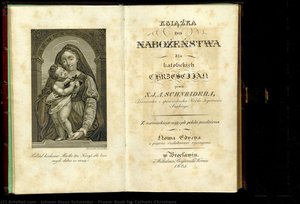
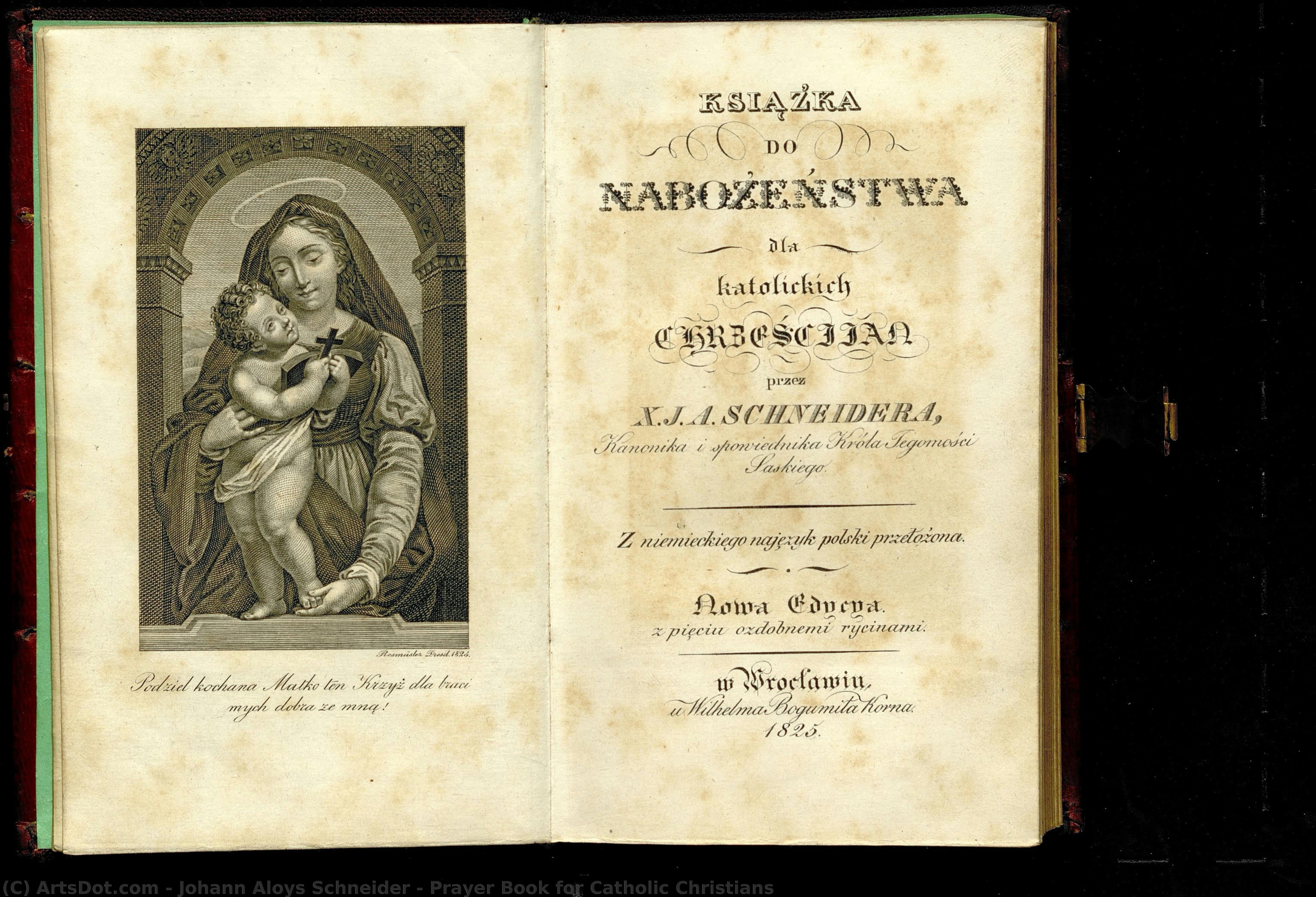
Prayer Book for Catholic Christians


 Read More
Giclée / Art Print
Museum-quality giclée or canvas print with fast production and flexible finish options. ( Buy Hand Made Painting Buy Image)




































Pick from our preset sizes that match the artwork's original proportions.

You may enter your own dimensions to fit a specific frame or space. If your selected size does not match the original image's proportions, we will either crop the artwork or extend the image with a mirrored or solid-fill edge. A digital mockup will be sent for your approval before production begins.
Please note that the on-screen preview does not reflect the actual cropping or extension. Only the mockup will accurately show the final composition.
While custom sizes are available, we recommend selecting a dimension from the predefined list to preserve the original proportions.
Worldwide Delivery () in 2 weeks instead of standard 4/5 weeks. (25 August)

Free Worldwide Express Shipping

High-Quality Linen Canvas

Full Shipping Insurance

Customs Tax Refund Guarantee

True Color Matching Guarantee

60-Day Return Policy (Defects Only)

100% Money-Back Guarantee

Bulk Discount Offer
 Glass option is only available in size under 110 CM

Prayer Book for Catholic Christians
Giclée / Art Print
Reproduction Size
-


Total Price
$ 63
Related Artworks








Artist Biography
A Life Dedicated to Faith and Art: Johann Aloys Schneider
Johann Aloys Schneider, born in Brno, Bohemia (modern-day Czech Republic) on April 12th, 1752, was a figure whose life seamlessly blended the roles of priest, educator, and bishop. His story is one not solely defined by ecclesiastical duties but deeply interwoven with a commitment to artistic expression, particularly through the meticulous craft of engraving and the illumination of religious texts. Schneider’s early education took place within the Jesuit college in Olmütz, an institution known for its rigorous curriculum and emphasis on both intellectual and spiritual development. This formative period undoubtedly instilled in him a profound reverence for learning and a dedication to the Catholic faith – values that would shape his entire life's trajectory. He entered the priesthood, dedicating himself to service within the church, but it was his parallel pursuit of artistic endeavors that distinguished him as a unique voice within the 18th-century religious landscape.The Engraver’s Hand: A Baroque Legacy
Schneider's artistic output primarily centered around engravings and illuminated manuscripts, reflecting the prevailing aesthetic sensibilities of the late Baroque period. His work wasn’t about radical innovation; rather, it was a masterful continuation and refinement of established traditions. He possessed an exceptional skill in rendering intricate details, particularly evident in his religious prints. These weren’t merely reproductions of existing imagery but carefully considered interpretations that often imbued scenes with heightened emotional intensity and dramatic flair. The delicate lines and subtle shading techniques he employed brought biblical narratives to life, serving as powerful tools for devotional practice during a time when widespread literacy was limited. His engravings were not simply images; they were windows into the sacred, designed to inspire contemplation and reinforce faith. He wasn’t merely copying existing works but adding his own artistic sensibility, creating pieces that resonated with the spiritual needs of his community.Vicar Apostolic and Bishop: A Shepherd of Souls
In 1801, Schneider was appointed as Vicar Apostolic of Saxony, a position of significant responsibility within the Catholic Church. This appointment marked a turning point in his life, demanding he balance his artistic pursuits with the weighty duties of ecclesiastical leadership. He served in this role until his death in 1818, navigating the complex political and religious climate of the era. Later, he became Bishop for a period of 2.4 years. His time as Vicar Apostolic was characterized by a commitment to strengthening Catholic communities within Saxony, fostering education, and promoting religious observance. It is important to note that his administrative responsibilities likely influenced the themes and subjects of his artwork. The need to provide accessible devotional materials for his flock may have spurred him to create more prints and illuminated texts.Influences and Artistic Development
While a comprehensive understanding of Schneider’s direct artistic influences remains elusive, it is clear that he drew heavily from the established traditions of Baroque engraving prevalent in Central Europe. Artists like Johann Baptist Zimmermann and Martin Engelbrecht, known for their detailed religious prints and book illustrations, likely served as models for his own style. The Jesuit emphasis on visual rhetoric also played a crucial role in shaping his artistic development. The Jesuits understood the power of imagery to convey complex theological concepts and inspire emotional responses, and Schneider’s work reflects this understanding. His illuminated manuscripts, with their ornate borders and carefully rendered figures, demonstrate a deep appreciation for the aesthetic principles of the Baroque period – characterized by grandeur, drama, and elaborate ornamentation.- Baroque Engraving Traditions
- Jesuit Visual Rhetoric
- Religious Printmaking of Central Europe
Historical Significance and Enduring Appeal
Johann Aloys Schneider’s historical significance lies not in groundbreaking artistic innovation but in his dedicated continuation of a vital religious tradition. He was a skilled craftsman who used his talents to create beautiful and evocative images that served as powerful tools for devotional practice. His work provides valuable insight into the aesthetic sensibilities and spiritual concerns of the late 18th-century Catholic Church. Today, Schneider’s engravings and illuminated manuscripts are prized by collectors and scholars alike. They offer a glimpse into a world where art and faith were inextricably linked, and where the meticulous hand of the artist played a crucial role in shaping religious experience. His legacy endures as a testament to the power of artistic dedication and the enduring appeal of Baroque elegance.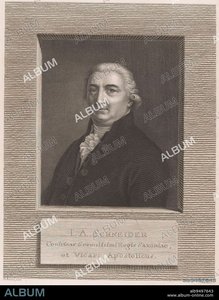
johann aloys schneider
1752 - 1818 , Czech Republic
Quick Facts
- Artistic Movement Or Style: Baroque Art
- Date Of Birth: April 12, 1752
- Date Of Death: 1818
- Full Name: Johann Aloys Schneider
- Nationality: German
- Place Of Birth: Brno, Czech Republic