Menu
FREE ART CONSULTATION
PreviewPreview AR previewAR preview Buy Print Buy PrintBuy Hand Made Painting Buy Hand Made Painting SendSend
DetailsDetails Add to favorites Add to favorites DownloadDownload SimilarsSimilars X-RayX-Ray DiaporamaDiaporama

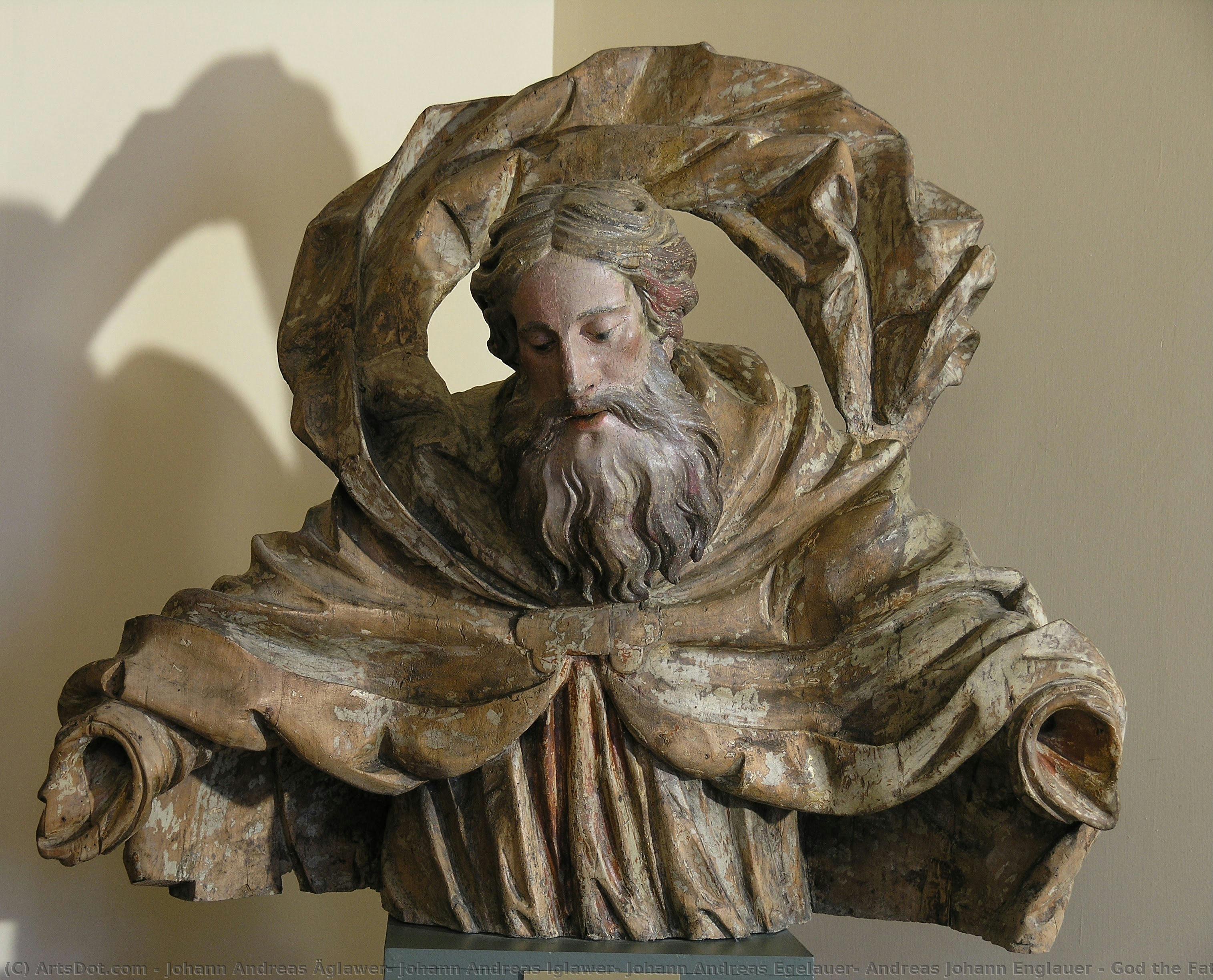
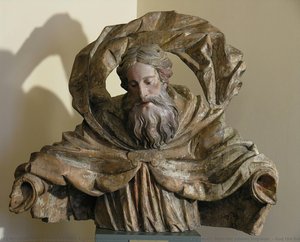
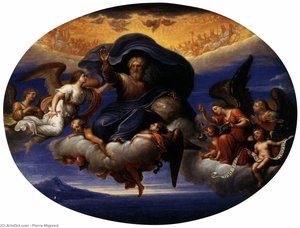
God the Father

Exquisite Baroque sculpture of 'God the Father' by Äglawer & associates. Detailed wood carving, dramatic drapery, & solemn expression. Explore this timeless masterpiece!

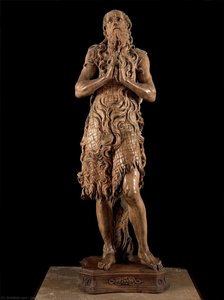
Johann Andreas Äglawer (also Iglawer/Egelauer) was a Baroque sculptor known for his detailed wood carvings of religious figures like 'God the Father' and 'Saint John the Baptist'. His dramatic drapery and solemn expressions exemplify the artistry of the period.

Purchase a high-resolution, enhanced digital image, far superior to the online preview.

Each file is meticulously prepared by our in-house specialists using advanced tools and expert manual retouching. We ensure every image has exceptional clarity, precise color accuracy, and fine detail.

The final file is delivered via email within 72 hours, optimized for immediate use in professional, editorial, and print environments. This is the same quality trusted by top-tier design studios, publishers, and galleries.

Digital Image

Download a high-resolution file for personal display, printing, and creative projects. (Buy Print Buy PrintBuy Hand Made Painting Buy Hand Made Painting)

Total Price

$ 24.00

Included in Every Digital Image Order

Expert Digital Delivery, Guaranteed

When you choose ArtsDot.com, you're not just getting an image - you're receiving a professionally enhanced digital artwork, crafted with precision and backed by a satisfaction guarantee. Here's everything that comes with your order, automatically:

shipping_icon
Fast Email Delivery

Your high-resolution digital image file will be emailed to you within 72 hours of ordering - ready for immediate use.

canvas_icon
AI-Enhanced Digital File

Your artwork is professionally optimized using advanced AI tools and manual editing, ensuring maximum detail, clarity, and color accuracy.

insurance_icon
Free Lifetime Re-Delivery

Accidentally deleted or lost your file? No worries - we'll resend it to you anytime, free of charge.

tax_icon
No Import Fees - Ever

Enjoy your artwork instantly with zero customs, duties, or delivery fees - digital downloads are always tax-free.

color_icon
Color Accuracy Guarantee

We ensure your digital image reflects the original colors as closely as possible using professional tools and color management.

return_icon
60-Day Satisfaction Guarantee

If you're not satisfied with your digital image, we'll revise it or refund 100% within 60 days - no questions asked.

guarantee_icon
100% Money-Back Guarantee

Not satisfied? Get a full refund within 60 days of receiving your digital file - no questions asked.

discount_icon
Bulk Order Discounts

Buy 3 images, save 10% - Buy 5, save 15% - Buy 10+, save 20%. Great for creative projects, galleries, and agencies.
Artist Biography

The Baroque Visions of Johann Andreas Äglawer

Johann Andreas Äglawer, also known under the variations of his name – Johann Andreas Iglawer and Andreas Johann Englauer – remains a somewhat enigmatic figure in the landscape of 17th-century sculpture. While biographical details are scarce, his surviving works speak volumes about a master craftsman deeply immersed in the fervor of the Baroque period. Äglawer’s career unfolded during a time of intense religious and artistic change, a period where sculpture was employed as a powerful tool for conveying faith and emotion. He appears to have been active primarily in Bohemia and surrounding regions, leaving behind a legacy of exquisitely carved wood sculptures that demonstrate both technical virtuosity and a profound spiritual sensibility.

A Sculptor Rooted in Tradition

The precise origins of Äglawer are difficult to pinpoint with certainty. Records suggest he was born sometime in the early 17th century, though the exact date remains elusive. What is clear from his oeuvre is a strong grounding in traditional sculptural techniques. His work doesn’t represent a radical departure from established norms but rather a refinement and intensification of existing styles. He clearly drew inspiration from Renaissance models, particularly in his depictions of human anatomy and classical drapery. However, Äglawer wasn't merely copying past masters; he infused these elements with the dynamic energy and emotional intensity characteristic of the Baroque aesthetic. His sculptures are not static representations but rather convey a sense of movement, drama, and spiritual awakening. The wood carving itself is exceptional, showcasing an incredible attention to detail – from the delicate folds of fabric to the expressive features of his figures.

Themes of Faith and Devotion

Äglawer’s artistic focus centered almost exclusively on religious subjects. His sculptures frequently depict saints, biblical figures, and allegorical representations of virtues and divine attributes. God the Father, one of his most celebrated works, exemplifies this dedication to themes of faith and devotion. The sculpture is a powerful embodiment of paternal authority and spiritual grace, rendered with remarkable detail and solemnity. Similarly, his depiction of Saint John the Baptist showcases a mastery of portraying inner piety and contemplative strength. These were not simply decorative objects; they were intended as focal points for prayer and meditation, designed to inspire reverence and deepen religious experience. The choice of wood as a medium itself held symbolic significance, representing both the humanity of Christ and the enduring power of faith.

Legacy and Historical Context

While Äglawer may not be a household name like some of his more famous contemporaries, his contribution to Baroque sculpture is nonetheless significant. His work reflects the broader artistic trends of the period – the emphasis on emotional realism, dramatic composition, and the use of art as a vehicle for religious propaganda. He worked during the Counter-Reformation, when the Catholic Church actively promoted art that reinforced its doctrines and appealed to the senses. Äglawer’s sculptures fit squarely within this context, serving as powerful visual statements of faith and devotion. His influence can be seen in the work of other sculptors active in Bohemia and surrounding regions, demonstrating his role as a key figure in the development of Baroque art in Central Europe. Although documentation remains limited, the enduring beauty and spiritual power of his sculptures ensure that Johann Andreas Äglawer’s legacy continues to resonate with audiences today.