 Preview
 Send
Send Share
Share
 Details

 Download
 Similars
 X-Ray
X-Ray Diaporama
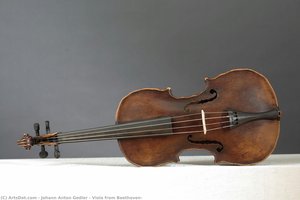
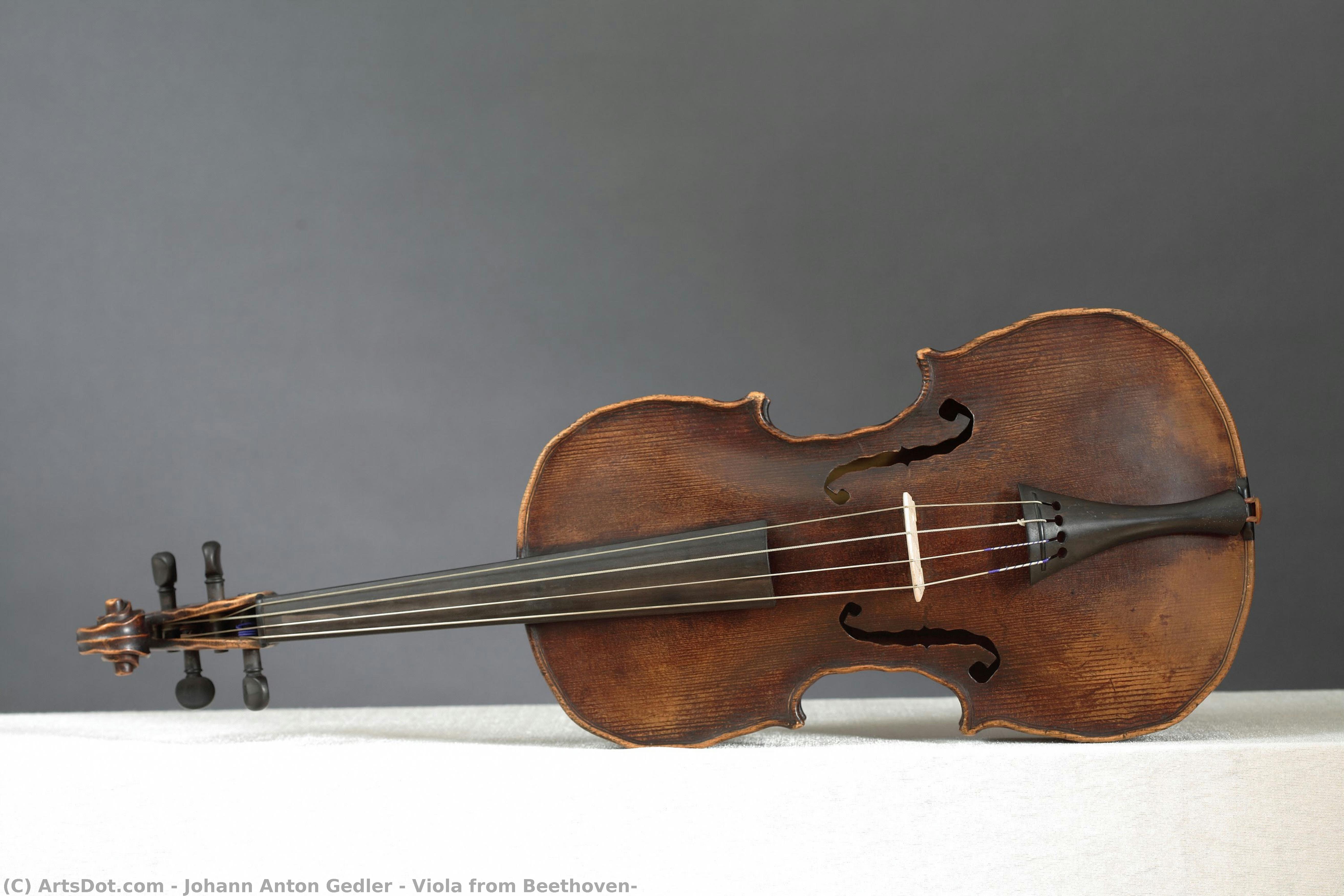
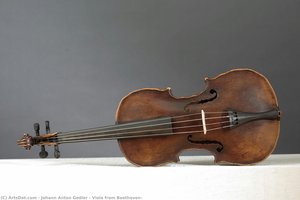
Viola from Beethoven


 Read More
Hand Made Oil Reproduction
Hand-painted oil on canvas in your size and frame, made to order by our artists. ( Buy Print Buy Image)




































Pick from our preset sizes that match the artwork's original proportions.

You may enter your own dimensions to fit a specific frame or space. If your selected size does not match the original image's proportions, we will either crop the artwork or extend the painting with additional hand-painted elements. A digital mockup will be sent for your approval before production begins.
Please note that the on-screen preview does not reflect the actual cropping or extension. Only the mockup will accurately show the final composition.
While custom sizes are available, we recommend selecting a dimension from the predefined list to preserve the original proportions.
After order, ArtsDot.com team will email client for instructions and provide a mockup preview
Worldwide Delivery () in 3/4 weeks instead of standard 5 weeks. (25 August). No compromise on quality.

Free Worldwide Express Shipping

High-Quality Linen Canvas

Full Shipping Insurance

Customs Tax Refund Guarantee

True Color Matching Guarantee

60-Day Return Policy (Defects Only)

100% Money-Back Guarantee

Bulk Discount Offer
 Glass option is only available in size under 110 CM

Viola from Beethoven
Reproduction Medium
Reproduction Size
-


Total Price
$ 263
Related Artworks








Artist Biography
The Sculptor of Sound: The Legacy of Johann Anton Gedler
In the quiet, mist-shrouded landscapes of eighteenth-century Bavaria, a unique form of artistry was taking shape—one that blended the precision of woodworking with the ethereal beauty of music. Born in Würzburg in 1725, Johann Anton Gedler emerged not merely as a craftsman, but as a visionary luthier whose work challenged the very boundaries of instrument design. His life, marked by both personal tragedy and professional triumph, traces a path from the loss of his father, Norbert Gedler, to the establishment of a workshop in Füssen that would eventually capture the imagination of history’s greatest musical minds.
Gedler’s journey into the heart of lutherie began under the watchful eye and steady hand of his cousin, Sympertus Niggel. This apprenticeship in Füssen provided him with more than just technical proficiency; it immersed him in the rich traditions of South German violin making, a style defined by its pursuit of tonal warmth and elegant grace. Yet, even as he mastered the established methods of his mentor, Gedler possessed an experimental spirit that refused to be bound by convention. He looked beyond the standard models of his era, drawing inspiration from the delicate, ornate aesthetics of the viola da gamba and the intricate textures of the viola d'amore to create something entirely his own.
The Art of the Undulating Edge
To encounter a Gedler instrument is to witness a profound dialogue between form and function. He is most celebrated for his "Wellengeigen"—the wave violins—which feature a striking, scalloped outline often referred to as pie-crust edges. These are not merely decorative flourishes; they represent a daring attempt to manipulate the physics of sound. By introducing these undulating curves into the body of the violin, Gedler sought to alter the resonance and projection of the instrument, creating a visual effect reminiscent of water rippling across a still surface.
This mastery of shape was complemented by a meticulous approach to material and finish. His work often utilized:
- Exquisite Woodwork: A foundation built upon the finest spruce and maple, shaped with an eye for acoustic perfection.
- Distinctive Varnish: The application of thin, often dull varnishes in various shades of brown, which allowed the natural character of the wood to breathe.
- Ornamental Detail: The occasional use of mother-of-pearl and silver, lending a regal quality to his more theatrical creations.
The technical brilliance of these instruments suggests they may have been crafted specifically for the stage, designed to captivate an audience visually even before the first note was played. This marriage of visual spectacle and sonic innovation remains the hallmark of his contribution to the craft.
A Connection to Greatness
The historical significance of Johann Anton Gedler extends far beyond the borders of Bavaria, reaching into the very foundations of Western classical music. Perhaps the most enchanting chapter of his legacy is his connection to the young Ludwig van Beethoven. It is widely documented that the legendary composer possessed a "wave viola" crafted by Gedler, an instrument that now resides in the Beethoven House in Bonn. This link serves as a poignant reminder that Gedler’s innovations were not just curiosities of design, but functional tools capable of supporting the profound emotional depth required by the era's most demanding compositions.
As we reflect on his life, which concluded in 1790, we see an artist who bridged the gap between the traditional and the avant-garde. While many luthiers of his time sought to replicate the perfection of the Cremonese masters, Gedler sought to expand the vocabulary of the instrument itself. His ability to infuse the rigid structure of a violin with the fluid motion of a wave ensures that his name remains etched in the annals of musical history—not just as a maker of objects, but as a creator of atmosphere, movement, and soul.
johann anton gedler
1725 - 1790 , Germany
Quick Facts
- Artistic Movement Or Style: South German luthiers
- Artists Or Movements Influenced By This Artist: ['Beethoven violins']
- Artists Who Influenced This Artist: ['Sympertus Niggel']
- Date Of Birth: December 2, 1725
- Date Of Death: February 21, 1790
- Full Name: Johann Anton Gedler
- Nationality: German
- Notable Artworks:
- Violin
- Viola
- Place Of Birth: Würzburg, Germany