

 Preview
 Send
Send Share
Share
 Details

 Download
 Similars
 X-Ray
X-Ray Diaporama
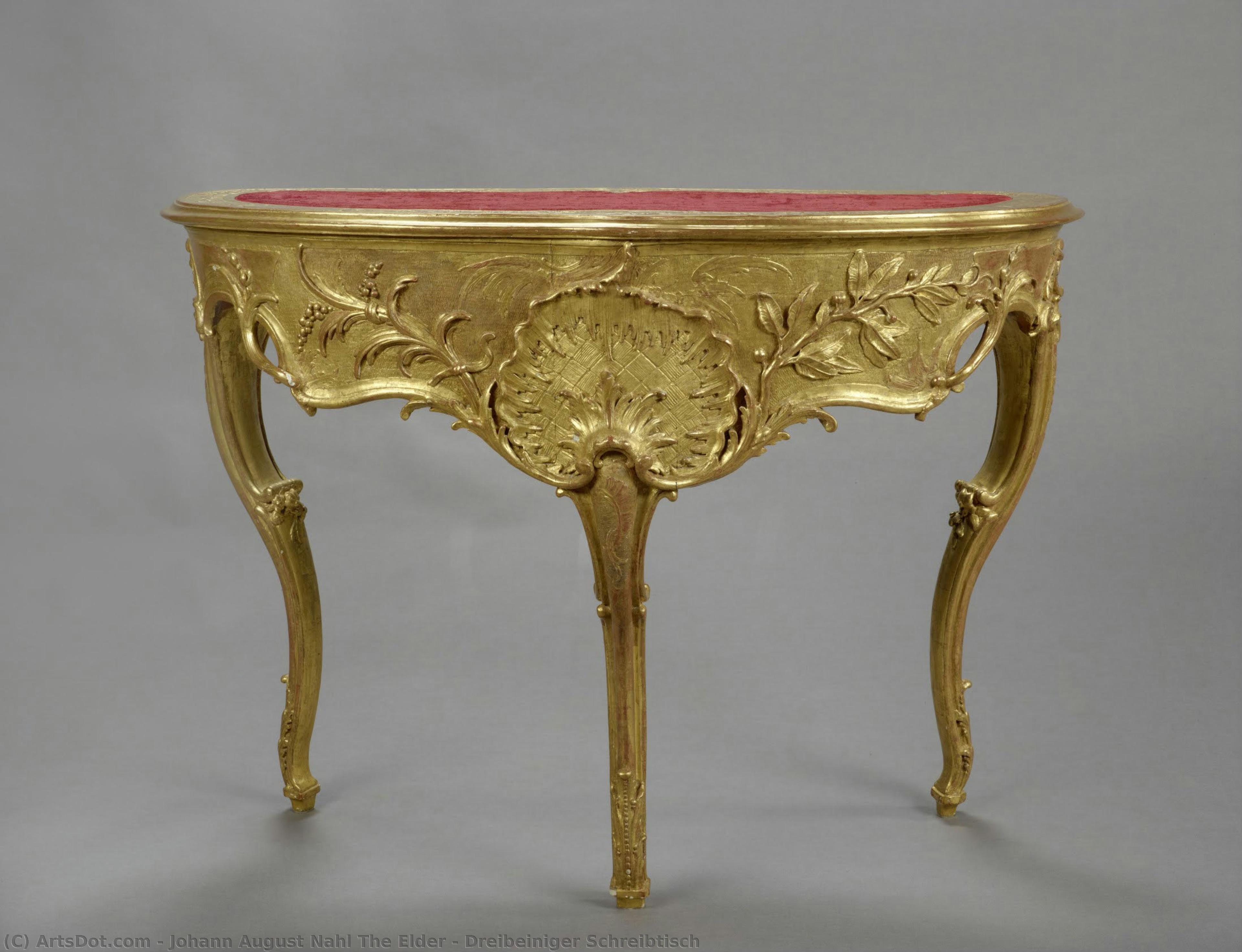
Dreibeiniger Schreibtisch
 Oil On Canvas
- WallArt
- Baroque Sculpture
 1745
1745 82.0 x 108.0 cm
 Sanssouci Palace
 Read More
Purchase a high-resolution, enhanced digital image, far superior to the online preview.
Each file is meticulously prepared by our in-house specialists using advanced tools and expert manual retouching. We ensure every image has exceptional clarity, precise color accuracy, and fine detail.
The final file is delivered via email within 72 hours, optimized for immediate use in professional, editorial, and print environments. This is the same quality trusted by top-tier design studios, publishers, and galleries.
Digital Image
Download a high-resolution file for personal display, printing, and creative projects. ( Buy Print Buy Hand Made Painting)
Included in Every Digital Image Order
Expert Digital Delivery, Guaranteed
When you choose ArtsDot.com, you're not just getting an image - you're receiving a professionally enhanced digital artwork, crafted with precision and backed by a satisfaction guarantee. Here's everything that comes with your order, automatically:

Fast Email Delivery
Your high-resolution digital image file will be emailed to you within 72 hours of ordering - ready for immediate use.

AI-Enhanced Digital File
Your artwork is professionally optimized using advanced AI tools and manual editing, ensuring maximum detail, clarity, and color accuracy.

Free Lifetime Re-Delivery
Accidentally deleted or lost your file? No worries - we'll resend it to you anytime, free of charge.

No Import Fees - Ever
Enjoy your artwork instantly with zero customs, duties, or delivery fees - digital downloads are always tax-free.

Color Accuracy Guarantee
We ensure your digital image reflects the original colors as closely as possible using professional tools and color management.

60-Day Satisfaction Guarantee
If you're not satisfied with your digital image, we'll revise it or refund 100% within 60 days - no questions asked.

100% Money-Back Guarantee
Not satisfied? Get a full refund within 60 days of receiving your digital file - no questions asked.

Bulk Order Discounts
Buy 3 images, save 10% - Buy 5, save 15% - Buy 10+, save 20%. Great for creative projects, galleries, and agencies.
Collectible Description
A Moment of Refined Leisure: Johann August Nahl's "Dreibeiniger Schreibtisch"
Johann August Nahl the Elder’s “Dreibeiniger Schreibtisch” (Three-Legged Desk), painted in 1745, offers a captivating glimpse into the world of 18th-century domesticity and artistic sensibility. This exquisite work, measuring 82 x 108 cm, is more than just a depiction of furniture; it’s a carefully constructed tableau that speaks to the burgeoning appreciation for elegance and comfort within Prussian society. Nahl, deeply influenced by his extensive travels through Europe's artistic heartlands – Strasbourg, Paris, Rome, and Schaffhausen – masterfully blends Baroque grandeur with French refinement, creating a piece that is both historically rich and visually arresting.
Subject and Composition: An Invitation to Rest
The painting’s subject matter—a gold table adorned with a red bench—immediately evokes an atmosphere of luxurious leisure. The placement of the bench directly in front of the desk creates a deliberate invitation for the viewer, suggesting a space for contemplation and perhaps even correspondence. Nahl's meticulous attention to detail is evident in the decorative elements of the table: intricate leaf and floral motifs that were hallmarks of Rococo design, reflecting the prevailing aesthetic trends of the time. The warm tones of gold and red contribute significantly to the painting’s opulent feel, further emphasizing the scene’s intended purpose – a celebration of comfort and refined taste.
Technique and Style: Nahl's Synthesis of Influences
Nahl’s skill as a sculptor translated seamlessly into his work as a painter. His brushwork is precise yet fluid, demonstrating a deep understanding of light and shadow. The use of chiaroscuro – the dramatic contrast between light and dark – adds depth and volume to the furniture, making it appear almost tactile. Notably, Nahl’s style represents a synthesis of the artistic currents he encountered during his extensive travels. Elements reminiscent of Italian Baroque sculpture—particularly in the table's robust form—are tempered by the more delicate ornamentation characteristic of French Rococo art. This blending of styles reflects Nahl’s role as a pivotal figure in the transition between these two significant movements.
Symbolism and Historical Context: Prussian Domesticity
"Dreibeiniger Schreibtisch" provides valuable insight into the lifestyle of the Prussian upper class during the mid-18th century. The inclusion of a luxurious desk and bench speaks to the growing importance of personal comfort and productivity within the home. The choice of gold, a color associated with wealth and status, further reinforces this message. Painted in 1745, a period of significant political and cultural change in Prussia under Frederick II, the work reflects an era where artistic patronage was closely linked to the ambitions of the monarchy. Nahl’s work, therefore, is not merely a decorative piece; it's a miniature window into the social and aesthetic values of his time.
Emotional Impact and Artistic Value
Beyond its historical significance, “Dreibeiniger Schreibtisch” possesses a remarkable emotional resonance. Nahl’s ability to capture the essence of quiet contemplation and refined beauty is truly captivating. This meticulously crafted reproduction offers an exceptional opportunity to own a piece of art history – a testament to the skill and vision of one of Prussia's most accomplished artists. Its elegant composition and masterful technique make it a valuable addition to any discerning collection, or a stunning focal point for interior design projects seeking to evoke a sense of timeless sophistication.
Related Artworks





Artist Biography
Johann August Nahl the Elder: Sculptor of Emotion and Legacy
Born in Berlin in 1710, Johann August Nahl the Elder emerged from a lineage steeped in artistic tradition – his father, Johann Samuel Nahl, was already a respected court sculptor serving Frederick I of Prussia. This familial connection provided Nahl with an invaluable foundation, but it was through rigorous apprenticeship and extensive travel that he truly honed his craft and developed a distinctive style. His early years were marked by a deliberate exploration of European artistic currents, beginning with his father’s tutelage and then venturing to Strasbourg in 1731, where he worked for the influential Robert Le Lorrain. Subsequent journeys to Paris (1734), Rome (1735), and Schaffhausen further broadened his horizons, exposing him to the Baroque grandeur of Italy and the refined elegance of French sculpture.
Nahl’s artistic development wasn't simply a matter of absorbing diverse styles; he actively synthesized them. His work demonstrates a remarkable ability to balance technical mastery with profound emotional expression – a hallmark that would later define his most celebrated achievement: the Tomb of Maria Magdalena Langhans in the church of Hindelbank, near Bern. This monument, completed in 1751, is not merely a funerary sculpture; it’s a dramatic tableau of resurrection and familial love, capturing a poignant moment of transformation. The composition depicts mother and child emerging from the confines of their tomb, symbolizing hope and renewal amidst sorrow. The work's impact was immediate and enduring, earning praise from luminaries like Johann Wolfgang Goethe, who famously described it as “a subject about which one could read many a long chapter.” Goethe’s observation underscores the monument’s complexity – a potent blend of religious symbolism, emotional depth, and technical skill.
The Langhans Brass: A Masterpiece of Baroque Emotion
The brass memorial to Maria Magdalena Langhans stands as Nahl's most enduring legacy. Commissioned by her clergyman husband after her death in childbirth, the piece transcends a simple funerary tribute. It’s a meticulously crafted narrative of grief and redemption, imbued with a powerful sense of human emotion. The sculpture depicts Langhans cradling her deceased child, both figures emerging from a stylized tomb – an image that powerfully conveys the cycle of life and death. The detail is astonishing; every expression, every gesture, speaks volumes about the profound loss experienced by the bereaved husband. This work cemented Nahl’s reputation as a sculptor capable of imbuing inanimate stone with palpable feeling.
The significance of the Langhans brass extended far beyond its initial commission. It became a subject of intense fascination and admiration throughout Europe, inspiring numerous copies and reproductions. Prints circulated widely, and small-scale terracotta and porcelain versions were produced for collectors and admirers. This widespread dissemination contributed to Nahl’s fame and established his work as a significant example of 18th-century Baroque sculpture. The enduring appeal of the Langhans brass lies in its ability to resonate with viewers on an emotional level – a testament to Nahl's skill as a storyteller through stone.
A Family Affair: Descendants and Artistic Influence
Nahl’s artistic lineage extended beyond his immediate family. His great-grandsons, Charles Christian Nahl and Hugo Wilhelm Arthur Nahl, followed in their ancestor’s footsteps, establishing a remarkable artistic dynasty. These grandsons became renowned painters of the American Old West, capturing the rugged landscapes and colorful characters of that era. This unexpected connection highlights the enduring influence of Nahl's artistic principles – his emphasis on realism, emotional depth, and narrative storytelling – across generations.
The legacy of Johann August Nahl is further preserved in the Gemäldegalerie Alte Meister im Schloss Wilhelmshöhe in Kassel, Germany. This museum houses a remarkable collection of European paintings from the 14th to the 18th centuries, including numerous works by masters such as Rembrandt, Vermeer, Rubens, and Titian. The presence of Nahl’s work within this esteemed institution underscores his place among the most significant sculptors of his time. Visitors can explore a vast array of artistic treasures, gaining a deeper appreciation for Nahl's contributions to European art history.
Beyond the Tomb: A Sculptor of Multiple Facets
While the Langhans brass remains Nahl’s most celebrated work, it is important to recognize his versatility as a sculptor and stucco worker. He undertook commissions for various patrons throughout Europe, including the bishop's palace in Strasbourg and François Klinglin, the French royal steward. His diverse projects demonstrate a mastery of different techniques and styles, reflecting his adaptability and artistic ambition. Furthermore, Nahl’s influence extended beyond his own creations; he played a role in shaping the aesthetic sensibilities of his time, contributing to the development of Baroque sculpture and paving the way for subsequent generations of artists.

johann august nahl the elder
1710 - 1781 , Germany
Quick Facts
- Artistic Movement Or Style: Baroque, Stucco work
- Artists Or Movements Influenced By This Artist: ['American Old West painters']
- Artists Who Influenced This Artist: ['Johann Samuel Nahl']
- Date Of Birth: August 22, 1710
- Date Of Death: October 22, 1781
- Full Name: Johann August Nahl the Elder
- Nationality: German
- Notable Artworks:
- Langhans brass
- Tomb of Maria Magdalena Langhans
- Place Of Birth: Berlin, Germany

