 Preview
 Send
Send Share
Share
 Details

 Download
 Similars
 X-Ray
X-Ray Diaporama
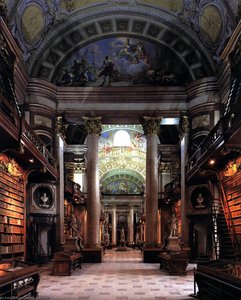
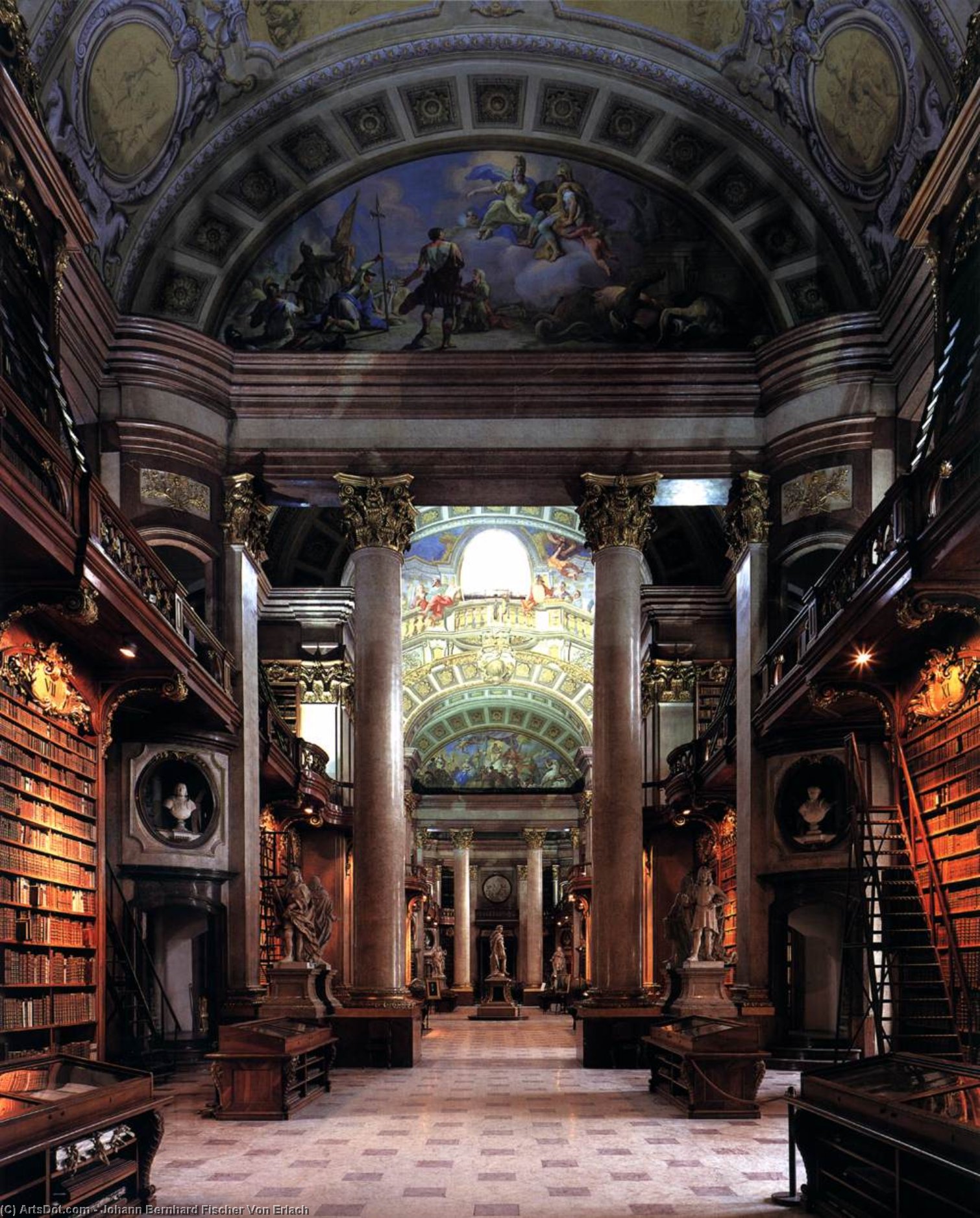
Interior of the library


 Read More
Hand Made Oil Reproduction
Hand-painted oil on canvas in your size and frame, made to order by our artists. ( Buy Print Buy Image)




P118B $10

P118H $10

P118W $10

P438Z $10

P508JH $12

P508YH $12

P805H $10

P805Z $10

P919BZ $10

P919G $10

P919XJ $10

P959ZH $10

P968JZ $12

W106C $8

W218G $10

W218JH $8

W218Y $10

W307PJ $10

W316G $10

W316PJ $8

W316Y $10

W398PJ $8

W4111J $10

W500HY $15

W500JH $15

W692G $12

W849H $8

W940BG $15

W953PJ $8




Pick from our preset sizes that match the artwork's original proportions.

You may enter your own dimensions to fit a specific frame or space. If your selected size does not match the original image's proportions, we will either crop the artwork or extend the painting with additional hand-painted elements. A digital mockup will be sent for your approval before production begins.
Please note that the on-screen preview does not reflect the actual cropping or extension. Only the mockup will accurately show the final composition.
While custom sizes are available, we recommend selecting a dimension from the predefined list to preserve the original proportions.
After order, ArtsDot.com team will email client for instructions and provide a mockup preview
Worldwide Delivery () in 3/4 weeks instead of standard 5 weeks. (16 August). No compromise on quality.

Free Worldwide Express Shipping

High-Quality Linen Canvas

Full Shipping Insurance

Customs Tax Refund Guarantee

True Color Matching Guarantee

60-Day Return Policy (Defects Only)

100% Money-Back Guarantee

Bulk Discount Offer
 Glass option is only available in size under 110 CM

Interior of the library
Reproduction Medium
Reproduction Size
-


Total Price
$ 263
Artwork Description
A Sanctuary of Knowledge: Exploring Fischer von Erlach's "Interior of the Library"
Johann Bernhard Fischer von Erlach’s “Interior of the Library,” painted in 1722, is more than just a depiction of a room filled with books; it’s a visual embodiment of Enlightenment ideals and imperial ambition. This stunning work offers a glimpse into a space designed not merely for storage but as a temple to learning, a testament to the power of knowledge, and a reflection of the Habsburg Empire's aspirations during the reign of Charles VI. The scene unfolds within a grand library, its architecture echoing classical grandeur with soaring ceilings, Corinthian columns, and intricate carvings—a deliberate aesthetic choice meant to evoke the wisdom of antiquity. Light streams in through expansive windows adorned with stained glass, casting vibrant hues across the tiled floor and illuminating the countless volumes lining the shelves. This isn't simply a functional space; it’s an orchestrated experience designed to inspire awe and reverence for intellectual pursuits.Baroque Splendor and Symbolic Depth
The painting is firmly rooted in the Baroque style, characterized by its dramatic use of light and shadow, opulent ornamentation, and dynamic composition. Fischer von Erlach, as both architect and artist, masterfully blends these elements to create a sense of grandeur and movement. The ceiling fresco, the undeniable focal point of the image, depicts allegorical figures swirling around a central figure—likely representing knowledge or wisdom itself. These surrounding figures, embodying virtues like prudence and eloquence, reinforce the library’s purpose as a repository of human understanding. Note how the artist uses light to draw our eye upwards, emphasizing the vastness of the space and the boundless nature of learning. The meticulous detail in the bookshelves, filled with countless volumes, speaks to the immense wealth of knowledge contained within—a tangible representation of the empire's intellectual power. Even the chandelier, a symbol of illumination both literal and metaphorical, contributes to the overall sense of splendor and importance.Fischer von Erlach: Architect of Empire
To fully appreciate this artwork, it’s crucial to understand the context in which it was created. Johann Bernhard Fischer von Erlach (1656-1723) was a pivotal figure in Austrian Baroque architecture. He served as court architect under three Habsburg emperors and was instrumental in shaping the architectural landscape of Vienna and Salzburg. His influential book, "A Plan of Civil and Historical Architecture," demonstrated his deep understanding of classical and contemporary design principles. The “Interior of the Library” isn’t just a painting; it's a visual representation of Fischer von Erlach’s own architectural vision—a synthesis of classical ideals and Baroque dynamism. Emperor Charles VI commissioned him to extend the Hofburg Palace, including this magnificent library, as part of his efforts to project an image of enlightened rule and cultural patronage. The library itself was built upon a riding school building started in 1681, demonstrating how Fischer von Erlach transformed existing structures into spaces of profound intellectual significance.An Invitation to Contemplation
Beyond its historical and artistic merits, “Interior of the Library” evokes a powerful emotional response. It invites us to contemplate the value of knowledge, the beauty of learning, and the enduring legacy of human intellect. The warm color palette—dominated by earth tones—creates an inviting atmosphere, while the sheer scale of the space inspires a sense of awe and wonder. Imagine yourself standing within this grand library, surrounded by countless volumes, bathed in the soft glow of natural light. It’s a scene that speaks to our deepest aspirations for understanding and enlightenment – a timeless testament to the enduring power of knowledge. The painting isn't merely an image; it is an invitation—an invitation to step into a world where learning reigns supreme and the pursuit of wisdom knows no bounds.Related Artworks
Artist Biography
Nicolas de Largillière: The Master of Subtle Grace
Born in Paris in 1656 and passing away in the same city in 1746, Nicolas de Largillière stands as a pivotal figure in the history of French portraiture. While often overshadowed by his more flamboyant contemporaries like Rigaud, Largillière cultivated a unique style characterized by an exquisite sensitivity to light, texture, and the quiet dignity of his subjects. His career spanned nearly fifty years, during which he established himself as one of the leading portraitists of his time, particularly renowned for capturing the refined elegance of the French middle class – a demographic largely overlooked by the grander commissions favored by the aristocracy.
Largillière’s early artistic development unfolded in Antwerp and London. He began his training with Antoine Goubeau in Antwerp, absorbing the Flemish tradition of meticulous detail and realistic representation. A subsequent period working for Lely in England exposed him to the burgeoning influence of Caravaggio's dramatic use of light and shadow, a technique that would profoundly shape his own artistic approach. This early exposure to both Flemish realism and Italian drama provided a rich foundation upon which he built his distinctive style.
A Portraitist for the Rising Middle Class
Returning to Paris in 1679, Largillière swiftly established himself as a sought-after portraitist. Unlike many of his contemporaries who primarily catered to royal and aristocratic clientele, Largillière focused on depicting members of the wealthy merchant class – individuals whose fortunes were rising alongside the prosperity of Louis XIV’s France. This shift in focus offered him a steady stream of commissions and allowed him to develop a nuanced understanding of his subjects' personalities and social standing. His portraits weren’t merely representations of appearance; they aimed to convey character, refinement, and a sense of inner composure.
His success was remarkable, particularly considering the competitive landscape of Parisian art at the time. Largillière’s ability to capture subtle expressions – a fleeting smile, a thoughtful gaze – set him apart. He employed a technique of *sfumato*, softening outlines and blending colors to create an atmosphere of hazy beauty and intimacy. This approach, combined with his masterful use of light, resulted in portraits that possess a remarkable sense of realism and psychological depth.
Technique and Artistic Influences
Largillière’s technical skill was honed through years of diligent observation and practice. He meticulously studied the anatomy of the human form, paying particular attention to the play of light on skin and fabric. His brushwork is characterized by a delicate layering of colors, creating a sense of texture and volume that brings his subjects to life. The influence of Caravaggio is undeniable in Largillière’s use of chiaroscuro – the dramatic contrast between light and shadow – which he employed not for theatrical effect but to heighten the emotional impact of his portraits.
Furthermore, Largillière drew inspiration from Flemish masters like Anthony van Dyck, whose elegant compositions and refined portraiture served as a model for many French artists. However, Largillière’s style evolved beyond mere imitation; he synthesized these influences into a uniquely personal vision, characterized by an understated elegance and a profound sensitivity to human emotion.
Legacy and Historical Significance
Throughout his long career, Largillière produced an astonishing number of portraits – contemporary sources estimate around 1,500. While he also engaged in religious works, still lifes, and landscapes, it is his portraiture that remains his most enduring legacy. He was appointed director of the Académie Royale in his eighties (1734–5 and 1738–42), a testament to his continued influence and respect within the artistic community.
Largillière’s portraits offer a valuable glimpse into the social and cultural landscape of 18th-century France. They reveal the aspirations, values, and anxieties of the rising middle class – a group that played an increasingly important role in shaping the nation's destiny. His work continues to be admired for its exquisite beauty, technical mastery, and profound understanding of human nature. He is often considered the French equivalent of Van Dyck, a title he certainly deserved.
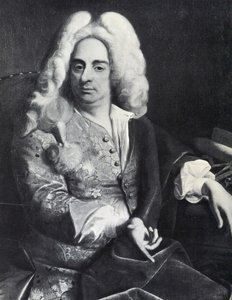
johann bernhard fischer von erlach
1656 - 1723 , Austria
Quick Facts
- Artistic Movement Or Style: Portraiture
- Artists Or Movements Influenced By This Artist: ['Van Dyck']
- Artists Who Influenced This Artist:
- Lely
- Verrio
- Date Of Birth: 1656
- Date Of Death: 1746
- Full Name: Nicolas de Largillière
- Nationality: French
- Notable Artworks:
- The Apotheosis of Homer
- Portrait of a Young Man
- Portrait of a Woman
- Place Of Birth: Paris, France
Related Articles

Baroque Drama: Bringing Opulence & Emotion into Contemporary Interiors
Explore the opulent world of Baroque interior design! Discover key elements, modern applications & how to bring dramatic elegance into your home with 's authentic reproductions.

The Dramatic Flourish: Exploring the Baroque Movement's Enduring Legacy in Art History
Explore the dramatic world of Baroque art! Discover iconic artists like Caravaggio & Rubens, defining techniques, and its lasting impact on art history. Expert insights for collectors & enthusiasts at ArtsDot.

Baroque Masterpieces: 10 Paintings That Defined an Era |
Journey through the drama & grandeur of Baroque art! Explore 10 masterpieces by Caravaggio, Rembrandt, Rubens & more. Discover stunning oil paintings, rich colors & timeless stories. Find museum-quality reproductions at .

Dutch Baroque Masters: 10 Paintings That Shaped an Era | ArtsDot
Journey through the Golden Age with our guide to the Top 10 Dutch Baroque masterpieces! Explore iconic paintings by Rembrandt, Vermeer & Frans Hals. Find museum-quality art reproductions and elevate your home decor at ArtsDot.com.

The Visceral Stage: Exploring Dramatic Narratives & Emotional Intensity in Baroque Art
Explore the dramatic world of Baroque art! Discover iconic masters like Caravaggio & Rembrandt, their techniques, and the movement's lasting impact. Expert insights for collectors & enthusiasts at ArtsDot.