

 Preview
 Send
Send Share
Share
 Details

 Download
 Similars
 X-Ray
X-Ray Diaporama
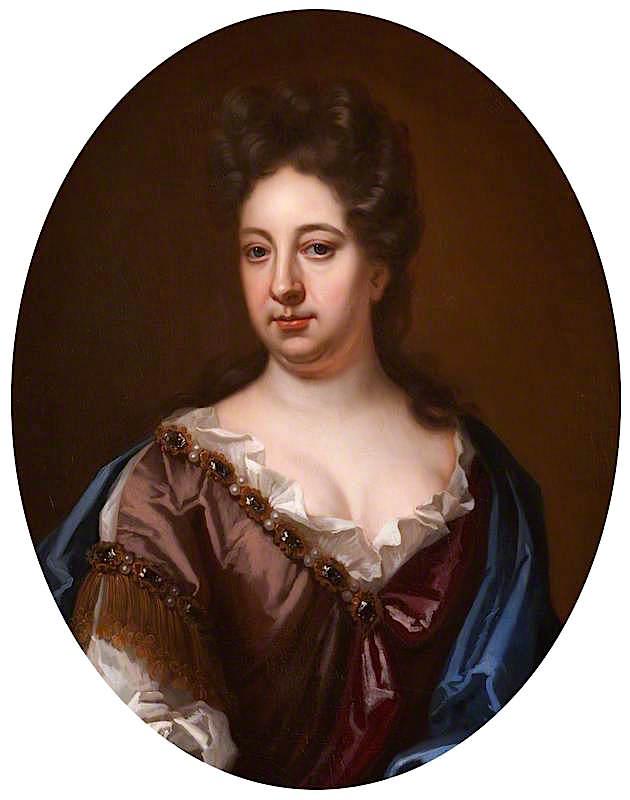
Lady Margaret Tufton, Lady Coventry

 Read More
Purchase a high-resolution, enhanced digital image, far superior to the online preview.
Each file is meticulously prepared by our in-house specialists using advanced tools and expert manual retouching. We ensure every image has exceptional clarity, precise color accuracy, and fine detail.
The final file is delivered via email within 72 hours, optimized for immediate use in professional, editorial, and print environments. This is the same quality trusted by top-tier design studios, publishers, and galleries.
Digital Image
Download a high-resolution file for personal display, printing, and creative projects. ( Buy Print Buy Hand Made Painting)
Included in Every Digital Image Order
Expert Digital Delivery, Guaranteed
When you choose ArtsDot.com, you're not just getting an image - you're receiving a professionally enhanced digital artwork, crafted with precision and backed by a satisfaction guarantee. Here's everything that comes with your order, automatically:

Fast Email Delivery
Your high-resolution digital image file will be emailed to you within 72 hours of ordering - ready for immediate use.

AI-Enhanced Digital File
Your artwork is professionally optimized using advanced AI tools and manual editing, ensuring maximum detail, clarity, and color accuracy.

Free Lifetime Re-Delivery
Accidentally deleted or lost your file? No worries - we'll resend it to you anytime, free of charge.

No Import Fees - Ever
Enjoy your artwork instantly with zero customs, duties, or delivery fees - digital downloads are always tax-free.

Color Accuracy Guarantee
We ensure your digital image reflects the original colors as closely as possible using professional tools and color management.

60-Day Satisfaction Guarantee
If you're not satisfied with your digital image, we'll revise it or refund 100% within 60 days - no questions asked.

100% Money-Back Guarantee
Not satisfied? Get a full refund within 60 days of receiving your digital file - no questions asked.

Bulk Order Discounts
Buy 3 images, save 10% - Buy 5, save 15% - Buy 10+, save 20%. Great for creative projects, galleries, and agencies.
Related Artworks

Artist Biography
Johann Closterman: A Portraitist of Distinction
Johann Closterman (also spelled cloosterman, klosterman; 1660 – 24 may 1711) stands as a significant figure in the landscape of Westphalian portrait painting during the late Baroque and early Rococo eras. Born in Osnabrück, Germany—a city steeped in medieval history and nestled within the Holy Roman Empire—Closterman’s artistic journey began under the tutelage of his father, who instilled in him foundational principles of design and visual artistry. This formative influence would prove crucial to shaping Closterman's distinctive style and establishing him as a respected artist of his time.- Early Training & Parisian Apprenticeship: Recognizing his talent, Closterman embarked on a pivotal step in his artistic education by relocating to Paris in 1679. There, he found mentorship with François de Troy, a celebrated painter known for his opulent depictions of aristocratic life and elaborate decorative schemes. This association exposed Closterman to the prevailing artistic currents of the Parisian court and honed his skills in capturing nuanced expressions and conveying grandeur through meticulous brushwork.
- Arrival in England & Collaboration with Riley: Driven by ambition and a desire for greater opportunities, Closterman ventured into England in 1681. He quickly established himself as an assistant to John Riley, a prominent portrait painter who commanded considerable acclaim for his ability to portray subjects with remarkable realism and psychological depth. Notably, Closterman contributed significantly to Riley’s monumental portraits of noble families, specifically focusing on the draperies—a technique that showcased his mastery of color and texture.
Royal Commissions & Artistic Evolution
The death of John Riley in 1691 marked a turning point for Closterman's career, propelling him to complete several unfinished portraits initiated by Riley. This accomplishment solidified his reputation as a skilled craftsman and demonstrated his capacity to honor the legacy of a respected predecessor. However, fortune proved fickle when Charles Seymour, 6th Duke of Somerset—a patron who had initially commissioned Closterman—expressed dissatisfaction with a portrait of Guercino that the painter had undertaken for him. This strained relationship culminated in the duke severing ties with Closterman, effectively halting his involvement with royal commissions. Despite this setback, Lord Halifax intervened, purchasing the Guercino portrait and securing Closterman’s continued artistic endeavors.- Spanish Patronage & Artistic Exploration: In 1696, Closterman received an invitation to serve as court painter for King Charles II of Spain—a prestigious honor that afforded him access to the wealthiest and most influential circles in Europe. During his time at Madrid, he produced portraits of the king, his consort Mariana of Austria, and other dignitaries, showcasing his versatility and adapting his style to suit diverse artistic traditions. Furthermore, Closterman undertook extensive travels throughout Italy twice, acquiring valuable artworks that enriched his personal collection and broadened his artistic horizons.
Return to England & Continued Success
Upon returning to England, Closterman experienced a resurgence of demand for his services among the English elite—a testament to his enduring talent and reputation. He married Hannah in 1698, establishing a domestic life that included the joys and sorrows inherent in any family relationship. Sadly, Hannah succumbed to illness in 1702, leaving Closterman bereaved. Accounts suggest he subsequently engaged in an affair with a mistress who embezzled considerable assets from him—an event that reportedly plunged him into mental decline. Jacob Campo Weyerman’s biographical account portrays Closterman as “a painter who had taken a beautiful mistress who, while he was away in the country, robbed him of his valuables and disappeared, actions which drove the painter into madness.” He passed away peacefully in 1711 at Covent Garden Churchyard in London.Legacy & Artistic Significance
Johann Closterman’s artistic legacy resides primarily in his captivating portraits—particularly those commissioned by prominent figures of British nobility. His meticulous attention to detail, masterful use of color and texture, and ability to convey psychological nuance distinguished him from many of his contemporaries. While biographical accounts offer glimpses into his personal life and struggles, Closterman's enduring contribution to the art history of his era remains undeniable—a testament to his skill as a portraitist and his role in documenting the grandeur and complexities of Georgian society. His work continues to be studied and admired for its stylistic elegance and artistic integrity.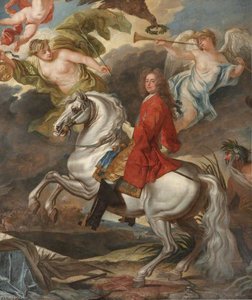
johann closterman
1660 - 1711
Quick Facts
- Artistic Movement Or Style: Portrait Painting
- Artists Or Movements Influenced By This Artist: ['Georgian Society']
- Artists Who Influenced This Artist: ['François de Troy']
- Date Of Death: 1711
- Full Name: Johann Closterman
- Nationality: Westphalian
- Notable Artworks:
- Portrait Of Charles Calvert
- Sir William Temple
- Sir John Aubrey
- Place Of Birth: Osnabrück, Germany

