

 Preview
 Send
Send Share
Share
 Details

 Download
 Similars
 X-Ray
X-Ray Diaporama
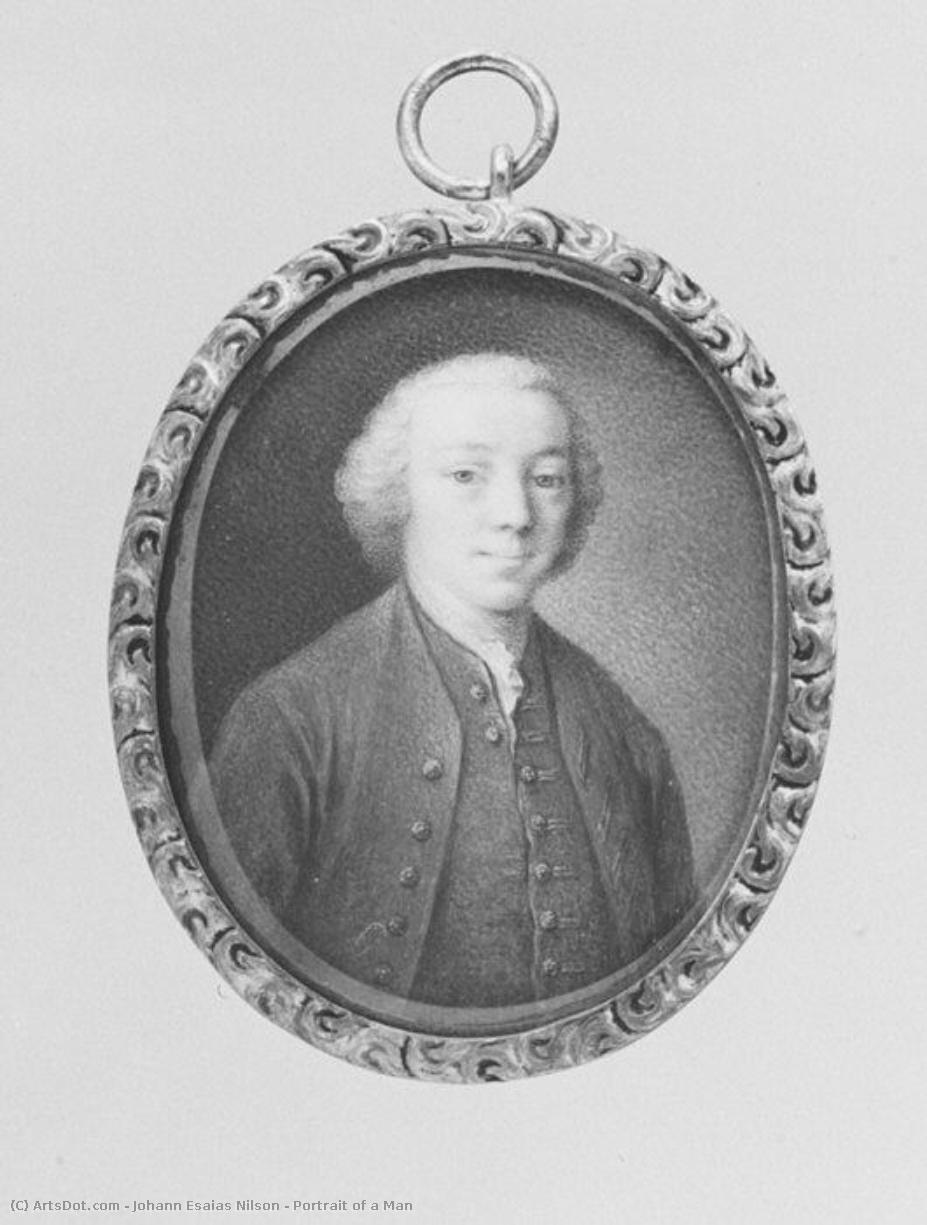
Portrait of a Man
 5.0 x 4.0 cm
 Read More
Hand Made Oil Reproduction
Hand-painted oil on canvas in your size and frame, made to order by our artists. ( Buy Print Buy Image)




































Pick from our preset sizes that match the artwork's original proportions.

You may enter your own dimensions to fit a specific frame or space. If your selected size does not match the original image's proportions, we will either crop the artwork or extend the painting with additional hand-painted elements. A digital mockup will be sent for your approval before production begins.
Please note that the on-screen preview does not reflect the actual cropping or extension. Only the mockup will accurately show the final composition.
While custom sizes are available, we recommend selecting a dimension from the predefined list to preserve the original proportions.
After order, ArtsDot.com team will email client for instructions and provide a mockup preview
Worldwide Delivery () in 3/4 weeks instead of standard 5 weeks. (25 August). No compromise on quality.

Free Worldwide Express Shipping

High-Quality Linen Canvas

Full Shipping Insurance

Customs Tax Refund Guarantee

True Color Matching Guarantee

60-Day Return Policy (Defects Only)

100% Money-Back Guarantee

Bulk Discount Offer
 Glass option is only available in size under 110 CM

Portrait of a Man
Reproduction Medium
Reproduction Size
-


Total Price
$ 263
Related Artworks





Artist Biography
The German Tiepolo: The Illustrious Legacy of Johann Esaias Nilson
In the heart of the eighteenth century, amidst the swirling opulence of the Rococo era, one name emerged from the artistic hub of Augsburg to command international reverence: Johann Esaias Nilson. Often whispered of in the same breath as the great masters of light and drama, Nilson earned the evocative title of "the German Tiepolo." This moniker was no mere hyperbole; it was a profound recognition of his ability to translate the theatricality, movement, and airy elegance of the Italian master Giovanni Battista Tiepolo into the meticulous medium of engraving. Born in 1721 to Swedish descent, Nilson’s life was a testament to the power of precision meeting passion, as he transformed the rigid discipline of printmaking into a soaring celebration of decorative grace.
Nilson’s journey began not with a broad brush, but with the fine, exacting needle of an engraver. Under the watchful and rigorous tutelage of his father, he mastered the intricate dance of line and shadow, learning how to breathe life into metal plates. This early immersion in craftsmanship instilled in him a meticulous attention to detail that would become his hallmark. Yet, Nilson was never a prisoner of a single medium. He possessed a rare versatility, cultivating a profound proficiency in miniature painting that allowed him to capture the delicate nuances of human expression and the soft, pastel palettes characteristic of the Rococo period. This dual mastery of the expansive and the intimate provided him with a unique visual vocabulary, enabling him to navigate both the grand scale of architectural decoration and the tender intimacy of portraiture.
A Master of Line and Light
The true brilliance of Nilson’s work lies in his ability to transcend the technical limitations of engraving. While many of his contemporaries used the medium for mere reproduction, Nilson utilized it as a vehicle for artistic innovation. His engravings were imbued with a sense of dynamism and theatricality that mirrored the grandest frescoes of the age. He possessed an uncanny ability to manipulate light and shadow, creating depth and atmosphere that felt almost sculptural. Through his skilled hand, sketches were transformed into stunning prints that captured the asymmetrical compositions and delicate ornamentation of the Rococo style with breathtaking accuracy.
His influence extended far beyond the borders of Germany, touching the very fabric of European decorative arts. His work was not limited to paper; his designs found their way into the exquisite patterns of fine pottery and the grander schemes of interior decoration. This breadth of impact is evidenced by several key pillars of his career:
- The Augsburg Academy: His leadership as the Director of the Augsburg Academy of Arts solidified his role as a cornerstone of German artistic education and institutional excellence.
- Courtly Recognition: Serving as the painter to the Elector Palatine, he occupied a position of immense prestige, translating royal taste into enduring visual legacies.
- A Dynasty of Craft: Beyond his individual output, Nilson was instrumental in establishing a lasting dynasty of engravers within Augsburg, shaping the aesthetic sensibilities of future generations.
Ultimately, the historical significance of Johann Esaias Nilson resides in his role as a bridge between cultures and mediums. He took the spirit of Italian grandeur and refined it through the disciplined lens of German craftsmanship. In every etched line and painted miniature, one finds the soul of an artist who did not merely document his era but actively sculpted its visual identity, leaving behind a legacy that continues to resonate with the elegance and splendor of the Rococo age.
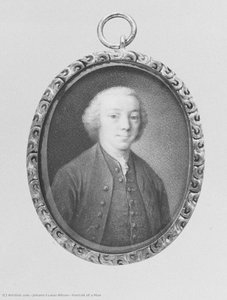
johann esaiss nilson
1721 - 1788 , Germany
Quick Facts
- Artistic Movement Or Style: Rococo
- Artists Or Movements Influenced By This Artist: ['Watteau']
- Artists Who Influenced This Artist: ['Tiepolo']
- Date Of Birth: 1721
- Date Of Death: 1788
- Full Name: Johann Esaias Nilson
- Nationality: German
- Notable Artworks:
- Ballo d'un Croata
- Portrait of a Man
- Stiftskirche St. Johann
- Place Of Birth: Augsburg, Germany

