

 Preview
 Send
Send Share
Share
 Details

 Download
 Similars
 X-Ray
X-Ray Diaporama
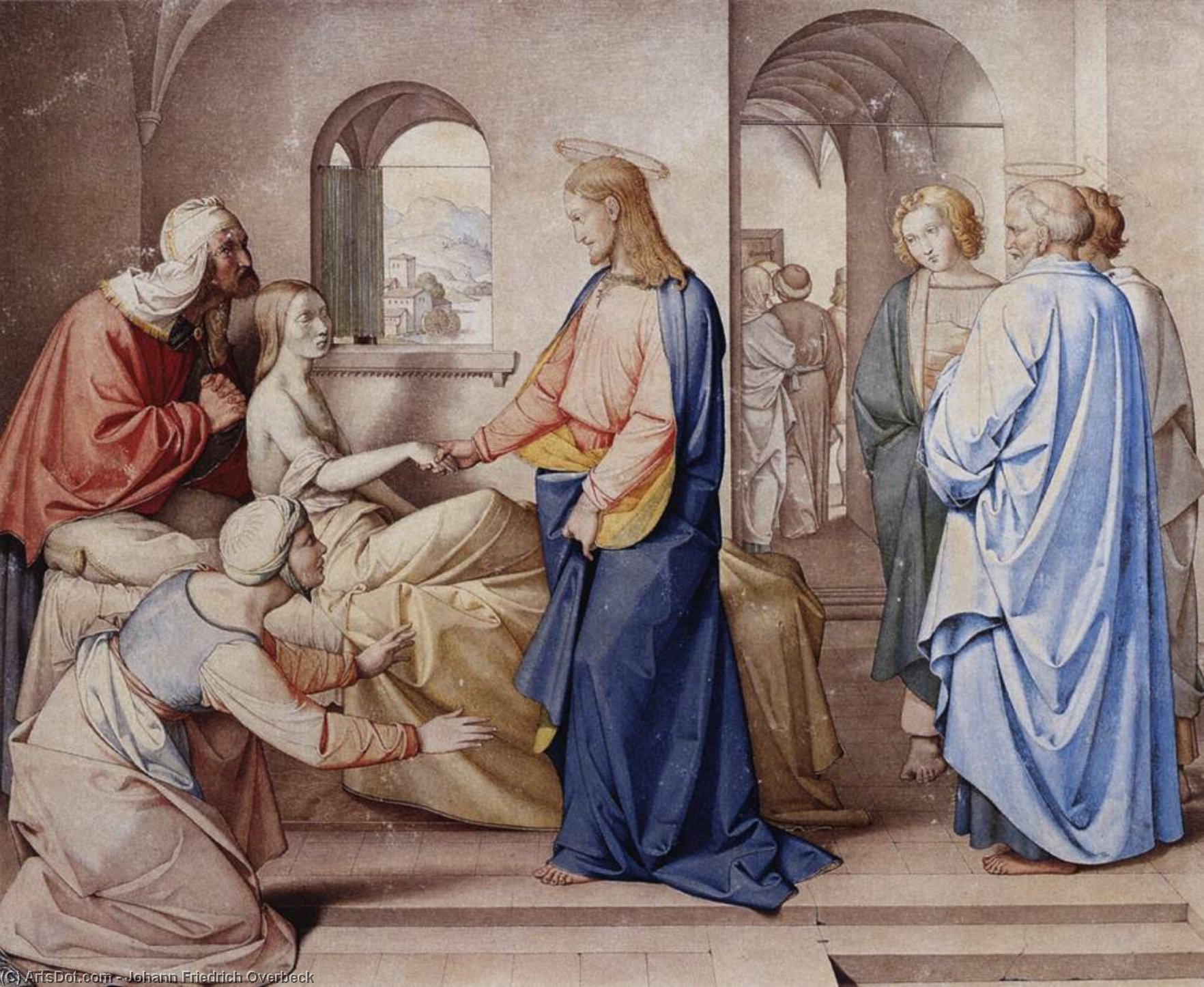
Christ Resurrects the Daughter of Jairus
 Oil On Canvas
- WallArt
- Nazarene movement
 1815
1815- 19th Century
 307.0 x 373.0 cm
 Staatliche Museen
 Read More
Purchase a high-resolution, enhanced digital image, far superior to the online preview.
Each file is meticulously prepared by our in-house specialists using advanced tools and expert manual retouching. We ensure every image has exceptional clarity, precise color accuracy, and fine detail.
The final file is delivered via email within 72 hours, optimized for immediate use in professional, editorial, and print environments. This is the same quality trusted by top-tier design studios, publishers, and galleries.
Digital Image
Download a high-resolution file for personal display, printing, and creative projects. ( Buy Print Buy Hand Made Painting)
Included in Every Digital Image Order
Expert Digital Delivery, Guaranteed
When you choose ArtsDot.com, you're not just getting an image - you're receiving a professionally enhanced digital artwork, crafted with precision and backed by a satisfaction guarantee. Here's everything that comes with your order, automatically:

Fast Email Delivery
Your high-resolution digital image file will be emailed to you within 72 hours of ordering - ready for immediate use.

AI-Enhanced Digital File
Your artwork is professionally optimized using advanced AI tools and manual editing, ensuring maximum detail, clarity, and color accuracy.

Free Lifetime Re-Delivery
Accidentally deleted or lost your file? No worries - we'll resend it to you anytime, free of charge.

No Import Fees - Ever
Enjoy your artwork instantly with zero customs, duties, or delivery fees - digital downloads are always tax-free.

Color Accuracy Guarantee
We ensure your digital image reflects the original colors as closely as possible using professional tools and color management.

60-Day Satisfaction Guarantee
If you're not satisfied with your digital image, we'll revise it or refund 100% within 60 days - no questions asked.

100% Money-Back Guarantee
Not satisfied? Get a full refund within 60 days of receiving your digital file - no questions asked.

Bulk Order Discounts
Buy 3 images, save 10% - Buy 5, save 15% - Buy 10+, save 20%. Great for creative projects, galleries, and agencies.
The Divine Intervention: A Vision of Resurrection
Behold this magnificent depiction of Christ Resurrects the Daughter of Jairus, a scene steeped in profound theological weight and breathtaking artistic drama. The canvas immediately draws the viewer into an atmosphere thick with anticipation, hope, and divine power. At its heart lies the miracle itself: Jesus Christ, radiating serene authority, bestowing life upon a young woman who has been overcome by death's shadow. Lying gently on the bed, her repose speaks of vulnerability, yet the surrounding presence of faith—the concerned faces, the attentive onlookers—builds an undeniable tension that only divine intervention can resolve. The composition is masterfully arranged to guide the eye from the moment of crisis toward the radiant source of life.
Echoes of Romantic Piety: Overbeck's Spiritual Hand
This work originates from the hand of Johann Friedrich Overbeck, an artist whose career was inextricably linked to the fervent spiritual currents of 19th-century German Romanticism. For Overbeck, art was not merely decoration; it was a sacred conduit meant to restore moral and religious fervor. His deep immersion in piety, nurtured by his scholarly family background, infused his brushstrokes with palpable devotion. The style reflects this commitment, eschewing mere academic representation for something imbued with heartfelt narrative resonance. One senses the meticulous care taken to evoke not just the event, but the very feeling of encountering the sublime.
Symbolism and Atmosphere: Faith Taking Form
The symbolism within the painting is rich and deeply resonant. The presence of the two birds, positioned near the upper and lower right corners, often serves in religious art as a symbol of the soul or the spirit's journey toward heaven. Every figure contributes to this tapestry of belief; they are witnesses, embodying the human capacity for doubt, awe, and ultimate faith. Overbeck captures the moment where profound despair meets undeniable grace. The overall atmosphere is one of luminous hope—a visual sermon reminding us that even in the deepest valleys of life's darkness, there awaits a miraculous dawn.
A Masterpiece for Contemplation and Sanctuary
To bring this piece into your home or sacred space is to invite a continuous dialogue with themes of redemption and enduring faith. The scale of 307 x 373 cm ensures that the narrative impact remains monumental, allowing viewers to step back and absorb the entire devotional sweep of the composition. For those who appreciate historical depth combined with emotional immediacy, this reproduction offers an unparalleled opportunity. It serves not just as a decorative focal point, but as a daily meditation—a powerful reminder of life's resilience and the enduring light found through belief.
Related Artworks





Artist Biography
A Life Dedicated to Religious Revival
Johann Friedrich Overbeck, a name synonymous with the Nazarene movement and 19th-century German Romanticism, was more than just a painter; he was a spiritual seeker who believed art held the key to restoring faith and moral integrity to a world he perceived as increasingly corrupted. Born in Lübeck, Germany, in 1789, Overbeck’s upbringing within a family of Protestant pastors instilled in him a profound sense of piety and intellectual rigor that would permeate his entire artistic journey. His father, Christian Adolph Overbeck, was not only a respected legal scholar but also a poet and mystic, fostering an environment where both reason and faith were deeply valued. This foundation shaped young Johann’s worldview, leading him to believe that art had lost its sacred purpose and needed to be reclaimed for the glory of God.From Vienna's Disillusionment to Roman Renaissance
Overbeck’s formal artistic training began in 1806 at the Academy of Fine Arts in Vienna, under the tutelage of Heinrich Füger. While he diligently acquired technical skills rooted in Neoclassical principles, a growing disillusionment took hold. He found the academy's emphasis on secular themes and its perceived lack of spiritual depth deeply unsatisfying. The artistic environment felt vulgar and uninspired, a stark contrast to the purity and reverence he believed art should embody. This discontent fueled his conviction that European art had strayed from its true path centuries before, losing its Christian orientation in the wake of societal shifts and Enlightenment ideals. He yearned for a return to the principles of early Italian Renaissance painting – the works of Raphael, Perugino, Pinturicchio, and Francesco Francia – artists he believed possessed an authentic spiritual vision. In 1809, alongside Franz Pforr, Overbeck established the Brotherhood of St. Luke, an artistic fraternity dedicated to honest work, devout living, and a rejection of contemporary artistic trends. Their radical views led to expulsion from the Vienna Academy, but it was a sacrifice they willingly made in pursuit of their ideals. The pivotal moment arrived in 1810 when Overbeck relocated to Rome, which would become the central hub of his artistic endeavors for nearly six decades.The Nazarenes and Artistic Community
Rome provided fertile ground for Overbeck and his fellow artists – including Peter von Cornelius, Friedrich Wilhelm Schadow, and Philipp Veit – to establish a communal living and working space in the old Franciscan convent of San Isidoro. This collective earned them the descriptive epithet "Nazarenes," reflecting their commitment to a lifestyle reminiscent of early Christian communities. Their artistic principles emphasized hard work, moral integrity, and a deliberate rejection of both antique paganism and what they considered the false values of the High Renaissance. They sought inspiration not in the grandeur of Michelangelo or Raphael’s later works, but in the simplicity and piety of earlier masters like Fra Angelico. In 1813, Overbeck's personal spiritual journey took a profound turn with his conversion to Roman Catholicism, an act he believed imbued his art with renewed purpose and “Christian baptism.” This deepened faith became inextricably linked to his artistic expression, guiding his choice of subjects and influencing the very essence of his style.Frescoes, Sacraments, and Lasting Legacy
Overbeck’s career blossomed in Rome, marked by significant commissions that allowed him to translate his ideals into tangible form. The frescoes at Palazzo Zuccari (Casa Bartholdy) from 1818, depicting episodes from the story of Joseph, showcased his meticulous technique and narrative skill. His contribution to the Casino Massimo frescoes (1818-1830), particularly “The Meeting of Godfrey de Bouillon and Peter the Hermit” inspired by Tasso’s *Jerusalem Delivered*, demonstrated his ability to imbue historical scenes with religious symbolism. However, it was the fresco "Vision of St. Francis" created for the Porziuncola in the Basilica of Santa Maria degli Angeli near Assisi (1830) that truly exemplified Overbeck’s commitment to depicting religious themes with reverence and clarity. Perhaps his most ambitious undertaking was the “Seven Sacraments” project, begun in 1862 – a monumental series of paintings intended to restore the didactic power of images in conveying spiritual truth. Johann Friedrich Overbeck passed away in Rome in 1869, leaving behind a legacy that profoundly influenced 19th-century religious art. He championed a renewed focus on spirituality and moral values, inspiring generations of artists to seek deeper meaning in their work. His dedication to fresco technique helped revive this ancient medium, while his unwavering commitment to the principles of the Nazarene movement continues to resonate with those who believe in the power of art to uplift the soul. He was elected a foreign honorary member of the American Academy of Arts and Sciences in 1864. Even his nephew, Johannes Overbeck, contributed significantly to the field through his work as an archaeology professor at the University of Leipzig, furthering scholarship on classical art and culture.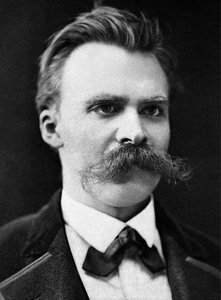
Johann Friedrich Overbeck
1789 - 1869 , Germany
Quick Facts
- Artistic Movement Or Style: Nazarene, Romanticism
- Artists Or Movements Influenced By This Artist:
- Pre-Raphaelite Brotherhood
- Religious art of 19th century
- Artists Who Influenced This Artist:
- Raphael
- Perugino
- Pinturicchio
- Francesco Francia
- Date Of Birth: July 3, 1789
- Date Of Death: November 12, 1869
- Full Name: Johann Friedrich Overbeck
- Nationality: German
- Notable Artworks:
- Joseph Sold by His Brethren
- Vision of St. Francis
- Seven Sacraments Project
- Place Of Birth: Lübeck, Germany

