 Preview
 Send
Send Share
Share
 Details

 Download
 Similars
 X-Ray
X-Ray Diaporama
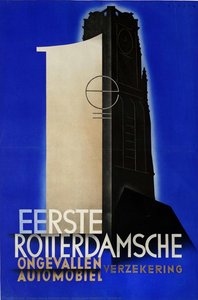
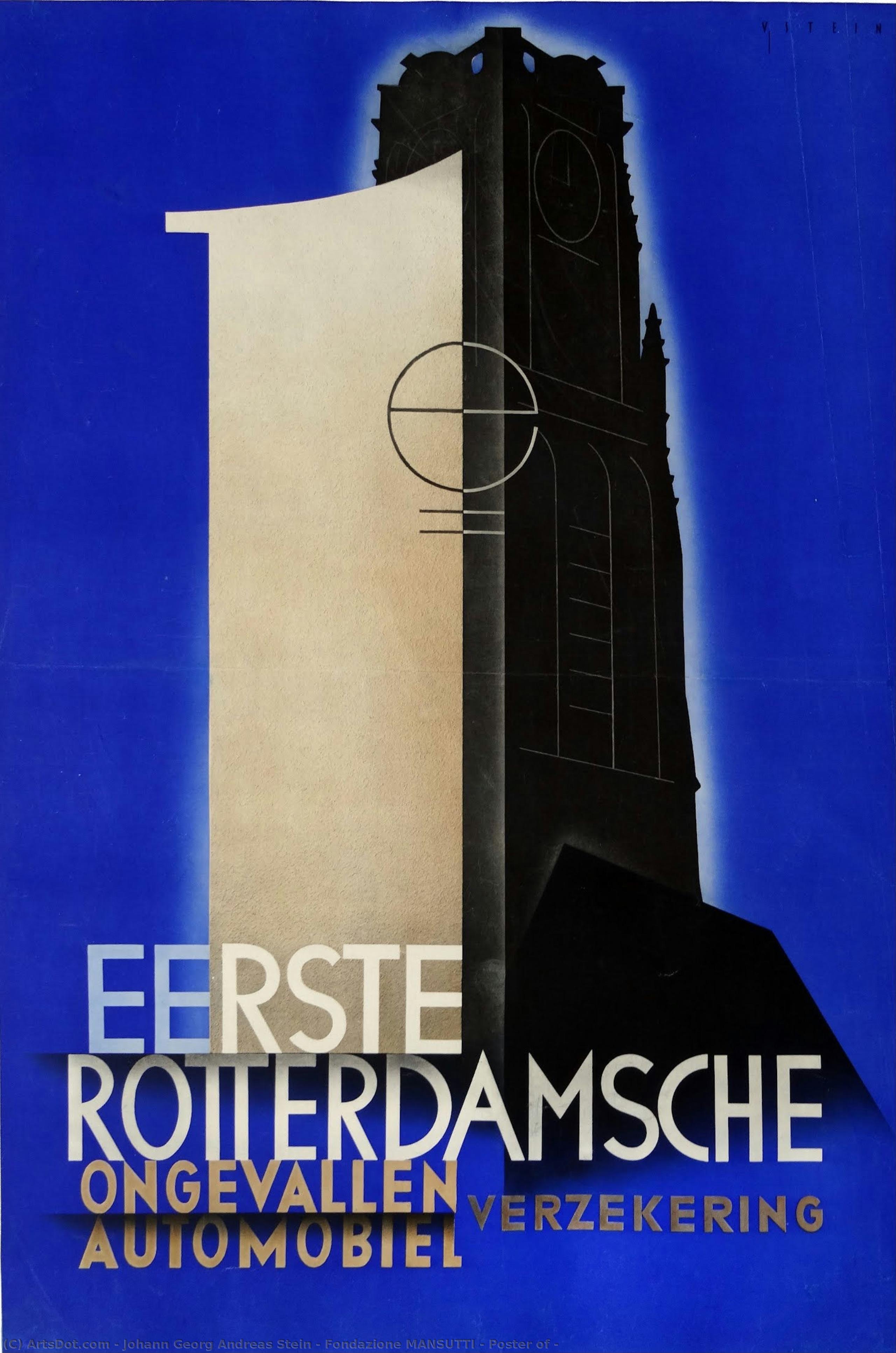
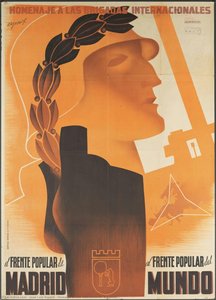
Fondazione MANSUTTI - Poster of
 1936
1936 104.0 x 73.0 cm
 Read More
Hand Made Oil Reproduction
Hand-painted oil on canvas in your size and frame, made to order by our artists. ( Buy Print Buy Image)




































Pick from our preset sizes that match the artwork's original proportions.

You may enter your own dimensions to fit a specific frame or space. If your selected size does not match the original image's proportions, we will either crop the artwork or extend the painting with additional hand-painted elements. A digital mockup will be sent for your approval before production begins.
Please note that the on-screen preview does not reflect the actual cropping or extension. Only the mockup will accurately show the final composition.
While custom sizes are available, we recommend selecting a dimension from the predefined list to preserve the original proportions.
After order, ArtsDot.com team will email client for instructions and provide a mockup preview
Worldwide Delivery () in 3/4 weeks instead of standard 5 weeks. (6 September). No compromise on quality.

Free Worldwide Express Shipping

High-Quality Linen Canvas

Full Shipping Insurance

Customs Tax Refund Guarantee

True Color Matching Guarantee

60-Day Return Policy (Defects Only)

100% Money-Back Guarantee

Bulk Discount Offer
 Glass option is only available in size under 110 CM

Fondazione MANSUTTI - Poster of
Reproduction Medium
Reproduction Size
-


Total Price
$ 263
Related Artworks




Artist Biography
Anton Raphael Mengs: The Architect of Neoclassicism
Anton Raphael Mengs, a name often whispered in the halls of art history, stands as a pivotal figure in the transition from the opulent Baroque to the refined ideals of Neoclassicism. Born in 1728 in Ústí nad Labem, Bohemia – now part of the Czech Republic – his life was marked by both artistic brilliance and familial intrigue. His early years were shaped by a complex family history; his father, Ismael Mengs, a Danish-born painter who eventually found patronage in Dresden, engaged in an affair with the housekeeper, Charlotte Bormann, resulting in Mengs’s birth alongside his sister, Therese. This unconventional origin story subtly informed his artistic approach – a blend of classical study and personal observation. Mengs's journey began not in a formal academy but within the walls of his father’s studio in Dresden, where he honed his skills under Ismael’s tutelage, absorbing the traditions of German painting. However, it was his relocation to Rome at the age of 16 that truly ignited his artistic ambitions and set him on a path toward mastering the principles of antiquity.Rome: A Crucible of Artistic Transformation
Rome became Mengs’s intellectual and creative sanctuary. He immersed himself in the study of classical sculpture, architecture, and literature, driven by an almost obsessive desire to revive the aesthetic values of ancient Greece and Rome. This dedication was further fueled by his close friendship with Johann Joachim Winckelmann, a German archaeologist and art critic who profoundly shaped the burgeoning Neoclassical movement. Winckelmann’s emphasis on clarity, order, and restraint deeply influenced Mengs's artistic philosophy, encouraging him to move away from the dramatic emotionalism of the Baroque and embrace a more restrained, idealized representation of the human form and subject matter. Mengs’s time in Rome was not merely a period of study; it was a period of intense creative output. He secured commissions for portraits, frescoes, and decorative works, rapidly establishing himself as a leading artist within the Roman art scene. His early works, particularly his portraiture, were characterized by their bright colors and lively compositions – a departure from the muted tones often associated with Neoclassicism.Parnassus: A Defining Masterpiece
Perhaps Mengs’s most significant achievement was *Parnassus*, a monumental fresco commissioned for the Villa Albani in Rome around 1761. This ambitious work, depicting the nine Muses presiding over the realm of poetry and art, became a watershed moment in the development of Neoclassicism. The fresco showcased Mengs’s mastery of perspective, composition, and color, while simultaneously drawing inspiration from Raphael, Correggio, and Titian – artists he deeply admired. *Parnassus* wasn't simply a decorative piece; it was a deliberate statement about the revival of classical ideals. The figures were rendered with an almost sculptural quality, their poses echoing those found in ancient sculptures. The use of light and shadow created a sense of depth and atmosphere, while the overall composition adhered to strict principles of order and harmony. This fresco cemented Mengs’s reputation as the leading proponent of Neoclassicism and established a visual language that would influence generations of artists.Beyond Rome: Courtly Commissions and Continued Influence
Following his success in Rome, Mengs accepted commissions from various European courts, including those of Spain and England. He spent time decorating palaces in Madrid and London, adapting his style to suit the tastes of his patrons while maintaining a consistent commitment to classical principles. His work for the Spanish court involved elaborate frescoes and decorative panels, showcasing his versatility as an artist. In London, he produced a remarkably accurate copy of Raphael’s *The School of Athens* for Northumberland House, a testament to his meticulous study of ancient art. Throughout his career, Mengs remained a dedicated teacher and theorist, publishing influential treatises on painting technique and the principles of classical art. His writings helped disseminate Neoclassical ideas throughout Europe, shaping the artistic landscape of the late 18th century.Legacy and Historical Significance
Anton Raphael Mengs died in Rome in 1779 at the age of 51. While his career was relatively short, his impact on art history is undeniable. He is widely considered the first major artist to champion Neoclassicism, establishing its core principles and paving the way for artists like David, Ingres, and Canova. His emphasis on order, clarity, and restraint profoundly influenced the development of Western painting, shaping artistic styles for decades to come. Mengs’s legacy extends beyond his individual works; he played a crucial role in fostering a renewed appreciation for classical antiquity, contributing significantly to the intellectual and cultural climate of the Enlightenment era. He remains a fascinating figure – a product of complex family circumstances, a brilliant artist, and a pivotal architect of one of Western art's most enduring movements.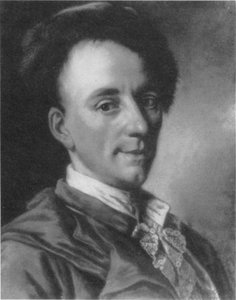
johann georg andreas stein
1728 - 1792 , Germany
Quick Facts
- Artistic Movement Or Style: Neoclassical
- Artists Or Movements Influenced By This Artist:
- Winckelmann
- Neoclassicism
- Artists Who Influenced This Artist:
- Raphael
- Correggio
- Titian
- Date Of Birth: March 22, 1728
- Date Of Death: June 29, 1779
- Full Name: Anton Raphael Mengs
- Nationality: German (Saxon)
- Notable Artworks:
- Parnassus
- The School of Athens
- Place Of Birth: Ústí nad Labem, Bohemia