 Preview
 Send
Send Share
Share
 Details

 Download
 Similars
 X-Ray
X-Ray Diaporama
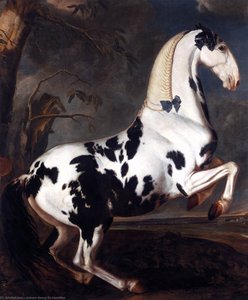
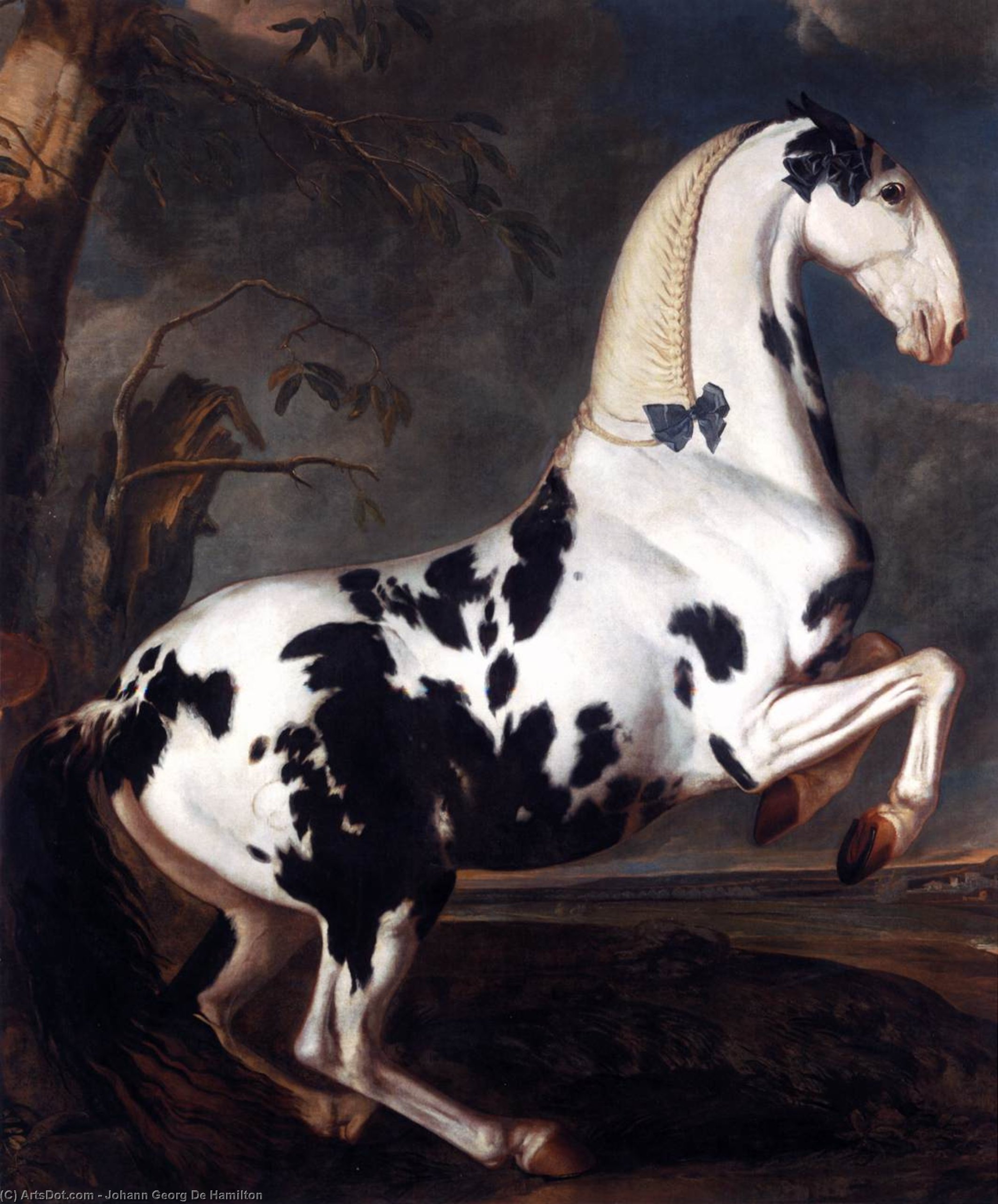
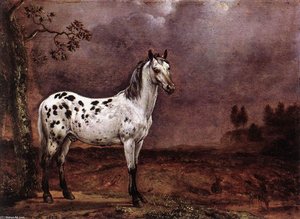
Portrait of a Piebald


 Read More
Giclée / Art Print
Museum-quality giclée or canvas print with fast production and flexible finish options. ( Buy Hand Made Painting Buy Image)




































Pick from our preset sizes that match the artwork's original proportions.

You may enter your own dimensions to fit a specific frame or space. If your selected size does not match the original image's proportions, we will either crop the artwork or extend the image with a mirrored or solid-fill edge. A digital mockup will be sent for your approval before production begins.
Please note that the on-screen preview does not reflect the actual cropping or extension. Only the mockup will accurately show the final composition.
While custom sizes are available, we recommend selecting a dimension from the predefined list to preserve the original proportions.
Worldwide Delivery () in 2 weeks instead of standard 4/5 weeks. (24 August)

Free Worldwide Express Shipping

High-Quality Linen Canvas

Full Shipping Insurance

Customs Tax Refund Guarantee

True Color Matching Guarantee

60-Day Return Policy (Defects Only)

100% Money-Back Guarantee

Bulk Discount Offer
 Glass option is only available in size under 110 CM

Portrait of a Piebald
Giclée / Art Print
Reproduction Size
-


Total Price
$ 63
Related Artworks







Artist Biography
A Life Dedicated to Equine Majesty: Johann Georg de Hamilton
Johann Georg de Hamilton, born in Munich in 1672, emerged from a family deeply rooted in the artistic traditions of the Southern Netherlands. His father, James de Hamilton, a Scottish painter who had settled in Brussels, instilled in his son a foundational understanding of painting techniques and an appreciation for visual detail. While James primarily focused on still life, Johann Georg would forge his own path, becoming celebrated for his dynamic depictions of horses and hunting scenes—a specialization that secured him a prominent position within the artistic circles of Central Europe. The early influence of his father’s meticulous approach is subtly visible in Johann Georg's later works; a keen attention to texture, light, and form characterizes even the most energetic compositions. He initially followed in his father’s footsteps but soon found himself drawn to the vibrant world of animal painting, particularly horses, which would become his signature subject matter.From Vienna to Berlin and Back: A Court Painter's Journey
De Hamilton’s career trajectory was one marked by service to noble patrons. In 1689, he entered the court in Vienna as a painter, establishing himself within the Habsburg artistic milieu. This appointment provided him with access to an elite clientele and opportunities to hone his skills under the patronage of Charles VI. However, his ambitions extended beyond the Viennese court, leading him to Berlin for a period before returning to Vienna around 1718. This peripatetic existence reflects not only professional aspirations but also the shifting political landscape of the era; artists often moved between courts seeking new commissions and favorable conditions. His brother Philipp Ferdinand de Hamilton, already established as a court painter to Joseph I, likely played a role in facilitating these transitions. The period away from Vienna allowed him to broaden his artistic horizons and refine his unique style, blending Flemish realism with Italianate dynamism.The "Viennese Wootton" and the Art of Hunting
Upon his return to Vienna, de Hamilton’s reputation solidified. He became known as “the Viennese Wootton,” a testament to his mastery of hunting scenes—a genre popularized by English artist Peter Wotten (Wootton). However, while drawing inspiration from Wootton's energetic compositions and narrative flair, de Hamilton developed a distinct aesthetic characterized by meticulous detail and a refined sense of color. His paintings weren’t merely records of aristocratic pursuits; they were celebrations of power, skill, and the natural world. He was commissioned to depict scenes involving the Emperor’s horses, particularly those bred at the prestigious Eisgrub stud (now Lednice), capturing their grace, strength, and noble bearing. These commissions not only showcased his artistic talent but also cemented his status as a favored court artist.A Baroque Legacy: Horses as Symbols of Status and Power
De Hamilton’s paintings are more than just beautiful representations of horses; they offer a glimpse into the aristocratic culture of 18th-century Europe. The meticulously adorned tack, the richly embroidered saddle blankets, and the expressive postures of both horse and rider all speak to a world steeped in status and ceremony. His focus on breeds like the Lipizzaner—renowned for their elegant movements and striking appearance—highlights the importance of equestrian pursuits as markers of social standing. He skillfully captured not only the physical beauty of these animals but also the skill and training required to master them, creating images that resonated with a discerning clientele. The use of round shapes and vibrant colors further enhances the visual appeal of his works, drawing the viewer into a world of opulence and refinement. His paintings often feature horses in “High School” jumps, demonstrating their prowess and the expertise of their owners.Historical Significance and Enduring Appeal
Johann Georg de Hamilton’s legacy lies in his ability to elevate animal painting to new heights of artistic expression. He combined Flemish realism with Italianate dynamism, creating works that were both technically masterful and emotionally engaging. His paintings provide valuable insights into the aristocratic culture of 18th-century Europe, showcasing the importance of horses as symbols of status, power, and skill. Though not as widely recognized as some of his contemporaries, de Hamilton’s work continues to captivate audiences with its meticulous detail, vibrant colors, and enduring sense of grace. His paintings remain a testament to his artistic talent and his dedication to capturing the majesty of the equine world—a legacy that ensures his place in art history.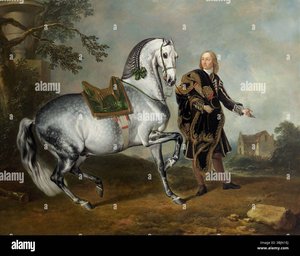
johann georg de hamilton
1672 - 1737 , Belgium
Quick Facts
- Artistic Movement Or Style: Baroque
- Artists Or Movements Influenced By This Artist: ['Georges de La Tour']
- Artists Who Influenced This Artist: ['James Hamilton']
- Date Of Birth: Brussels, Belgium (1672)
- Date Of Death: 1737
- Full Name: Johann Georg de Hamilton
- Nationality: Scottish
- Notable Artworks:
- Book Weight (Human Carriage)
- Portrait of a Piebald
- Place Of Birth: Belgium