 Preview
 Send
Send Share
Share
 Details

 Download
 Similars
 X-Ray
X-Ray Diaporama
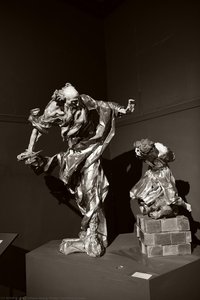
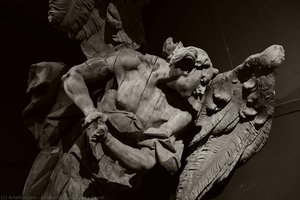
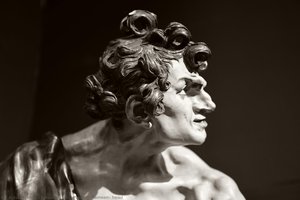
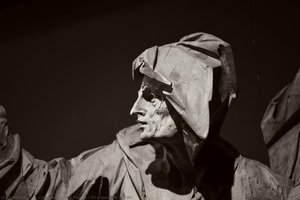
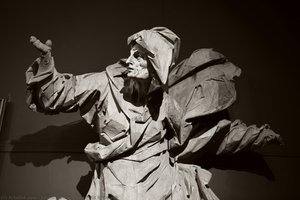
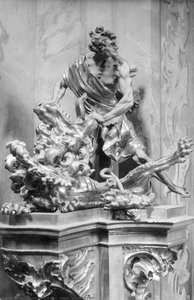
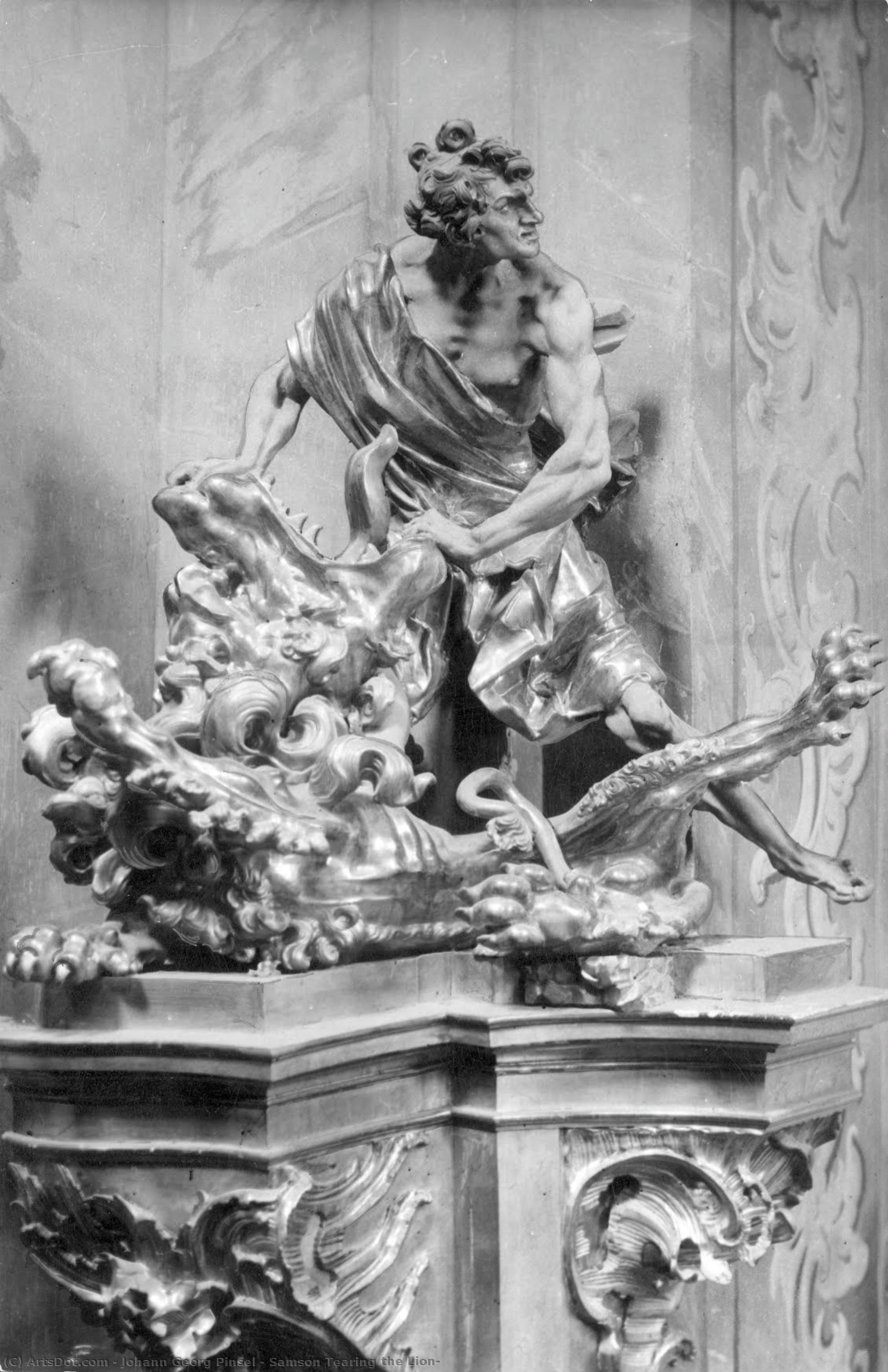
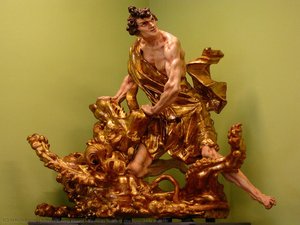
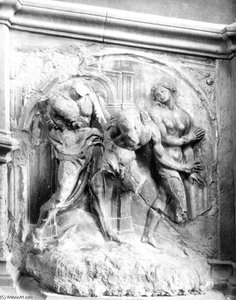
Samson Tearing the Lion


 Read More
Hand Made Oil Reproduction
Hand-painted oil on canvas in your size and frame, made to order by our artists. ( Buy Print Buy Image)




































Pick from our preset sizes that match the artwork's original proportions.

You may enter your own dimensions to fit a specific frame or space. If your selected size does not match the original image's proportions, we will either crop the artwork or extend the painting with additional hand-painted elements. A digital mockup will be sent for your approval before production begins.
Please note that the on-screen preview does not reflect the actual cropping or extension. Only the mockup will accurately show the final composition.
While custom sizes are available, we recommend selecting a dimension from the predefined list to preserve the original proportions.
After order, ArtsDot.com team will email client for instructions and provide a mockup preview
Worldwide Delivery () in 3/4 weeks instead of standard 5 weeks. (20 August). No compromise on quality.

Free Worldwide Express Shipping

High-Quality Linen Canvas

Full Shipping Insurance

Customs Tax Refund Guarantee

True Color Matching Guarantee

60-Day Return Policy (Defects Only)

100% Money-Back Guarantee

Bulk Discount Offer
 Glass option is only available in size under 110 CM

Samson Tearing the Lion
Reproduction Medium
Reproduction Size
-


Total Price
$ 263
Related Artworks
Artist Biography
The Sculptor of Eastern Galicia’s Baroque Splendor
Johann Georg Pinsel, a name that resonates with the dramatic intensity of the 18th century, stands as a pivotal figure in the artistic landscape of Eastern Galicia. Born around 1715 in Buzău, within the historical region of Galicia—now part of Ukraine—Pinsel’s life and work embody the swirling energy of the Baroque-Rococo transition. Though biographical details regarding his early years remain shrouded in the mists of time, his presence in the art historical canon was powerfully resurrected in 1923 by the scholar Jan Bołoz Antoniewicz. This rediscovery allowed the world to witness a master whose hands breathed life into stone and wood, creating works that capture both divine grace and raw, human emotion.
The essence of Pinsel’s artistry lies in its profound ability to marry the theatricality of the Baroque with the delicate, ornamental flourishes of the Rococo. His style is characterized by an extraordinary sense of movement and a mastery of intricate detail that commands the viewer's attention. Whether working in marble or wood, Pinsel possessed a unique talent for capturing poignant expressions and dynamic compositions. This is perhaps most evident in his religious works, where he utilized dramatic realism to evoke deep spiritual devotion, making the sacred figures feel tangibly present within their architectural settings.
Patronage and the Flourishing of a Master
The trajectory of Pinsel’s career was inextricably linked to the patronage of the Polish aristocracy, most notably Mikołaj Bazyli Potocki. As a wealthy and influential figure, Potocki provided the essential resources and ambitious commissions that allowed Pinsel to flourish in the town of Buchach. Under this generous stewardship, Pinsel embarked on monumental projects that would define the cultural heritage of the region. His work for the Potocki family was not merely decorative but served as a profound expression of religious iconography and familial prestige.
Among his most significant achievements are the sculptural elements that continue to haunt and inspire art lovers today. His ability to manipulate medium and form is showcased in several key works:
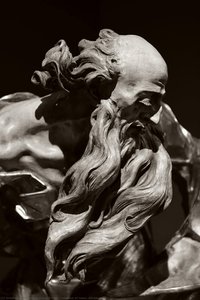
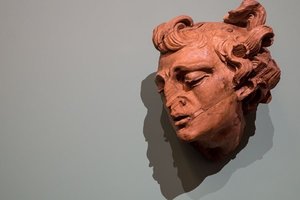
- St. Elizabeth, head: A breathtaking example of Baroque-Rococo sculpture, where the focus on a singular, expressive element demonstrates his mastery of realism and emotional depth.
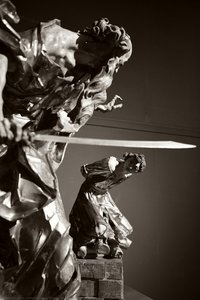
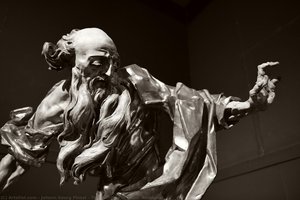
- Samson Tearing the Lion: A 1760 masterpiece that exemplifies the power and drama of his style, utilizing mythological themes to showcase muscular tension and dynamic movement.
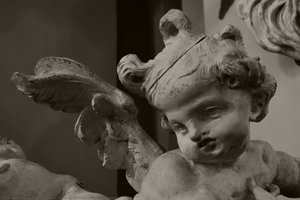
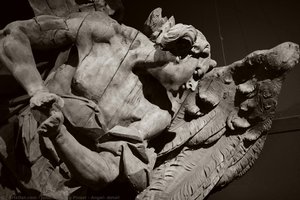
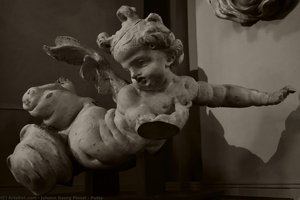
- Putto: Created around 1755, this sculpture of an angel highlights his ability to execute classical, delicate forms with a lightness of touch that is characteristic of the Rococo influence.
- St. John of Nepomuk and the Virgin Mary: These religious depictions from approximately 1750 represent his unwavering devotion to sacred themes, blending technical precision with spiritual intensity.
A Lasting Legacy in Stone and Spirit
Though Pinsel’s life was relatively short, ending in 1761, the impact of his creative output remains indelible. His work serves as a vital link to the complex cultural tapestry of the Polish-Lithuanian Commonwealth, bridging the gap between German artistic influences and the local traditions of Galicia. By infusing religious subjects with such visceral energy, he helped create a unique regional identity that persists in the churches and monuments of Ukraine and Poland.
Today, Pinsel is celebrated not just as a skilled craftsman, but as a visionary who could transform cold material into a narrative of faith, myth, and human struggle. His sculptures remain essential touchstones for understanding the evolution of Baroque art in Eastern Europe, standing as enduring monuments to a period of unparalleled artistic splendor.
johann georg pinsel
1715 - 1761 , Galicia
Quick Facts
- Artistic Movement Or Style: Baroque-Rococo
- Date Of Birth: 1715
- Date Of Death: 1761
- Full Name: Johann Georg Pinsel
- Nationality: German
- Notable Artworks:
- Samson Tearing the Lion
- Putto
- St Elizabeth, head
- Place Of Birth: Buzău, Galicia
Related Articles
Georges Braque's Masterpieces: 25 Paintings That Defined Cubism & Modern Art | ArtsDot
Explore 25 iconic Georges Braque paintings that revolutionized Cubism & modern art. Discover the stories behind his masterpieces, from Fauvism to Analytical Cubism. Find museum-quality reproductions & elevate your home decor with ArtsDot.com.
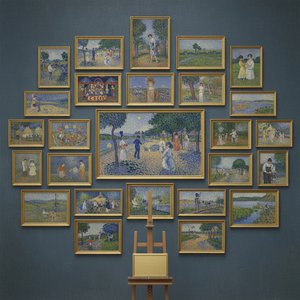
Georges Seurat's Masterpieces: 25 Paintings That Defined Pointillism | ArtsDot
Explore 25 iconic Georges Seurat paintings & discover the brilliance of Pointillism. From 'La Grande Jatte' to his harbor scenes, delve into art history with ArtsDot.com. Find museum-quality reproductions for your home decor. Explore the full collection online!

Bronze Sculptures That Defined Art History | ArtsDot
Journey through art history with our Top 10 bronze sculptures! Explore masterpieces by Rodin, Michelangelo & more. Discover stories behind iconic statues and find museum-quality reproductions for your home decor at ArtsDot.com.

The Enduring Form: Exploring Themes & Techniques in Sculpture Across Historical Periods
Explore the rich history of sculpture from ancient masterpieces to contemporary innovations. Discover key techniques, influential artists & investment potential for discerning art collectors.
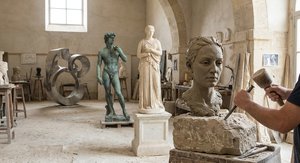
The Enduring Form: Sculpture Across History, Technique & Emotional Resonance
Explore the rich history of sculpture with ArtsDot. Discover key techniques, influential artists & investment potential for discerning collectors. Expert insights into valuing and collecting timeless masterpieces.