 Preview
 Send
Send Share
Share
 Details

 Download
 Similars
 X-Ray
X-Ray Diaporama
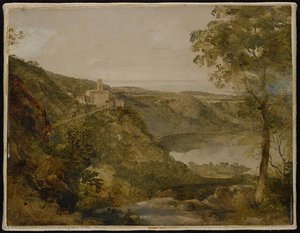
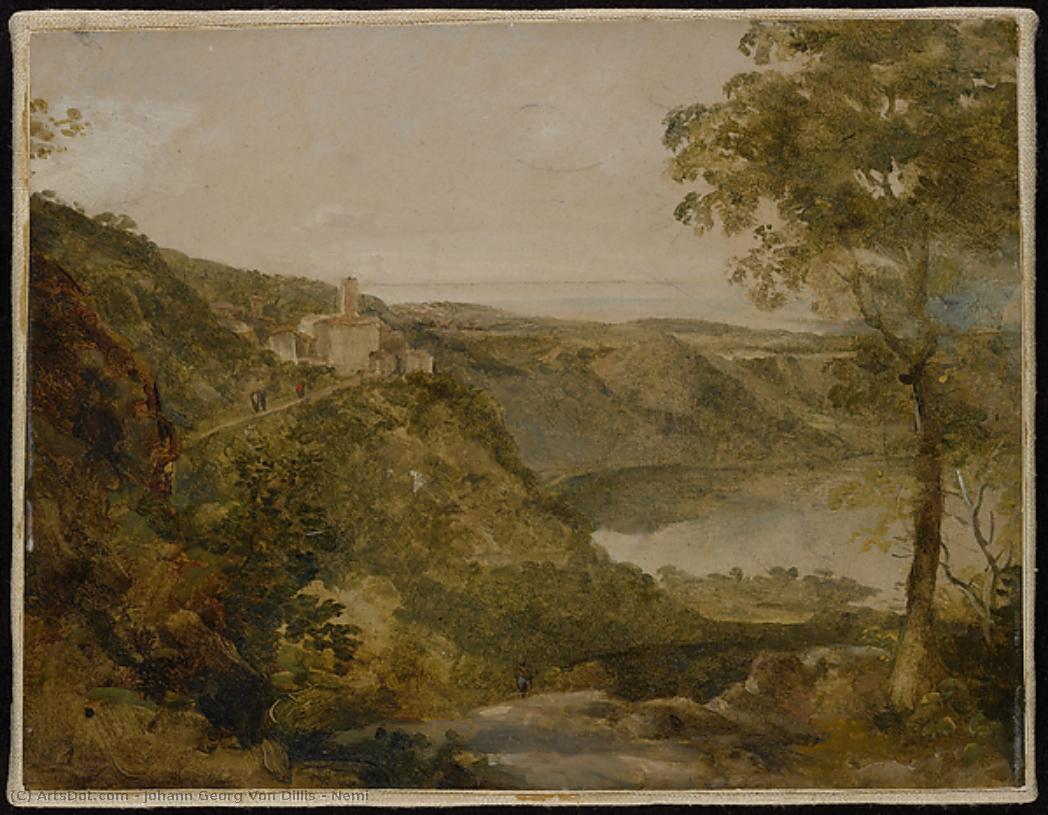
Nemi
 1805
1805 18.0 x 23.0 cm
 Read More
Hand Made Oil Reproduction
Hand-painted oil on canvas in your size and frame, made to order by our artists. ( Buy Print Buy Image)




































Pick from our preset sizes that match the artwork's original proportions.

You may enter your own dimensions to fit a specific frame or space. If your selected size does not match the original image's proportions, we will either crop the artwork or extend the painting with additional hand-painted elements. A digital mockup will be sent for your approval before production begins.
Please note that the on-screen preview does not reflect the actual cropping or extension. Only the mockup will accurately show the final composition.
While custom sizes are available, we recommend selecting a dimension from the predefined list to preserve the original proportions.
After order, ArtsDot.com team will email client for instructions and provide a mockup preview
Worldwide Delivery () in 3/4 weeks instead of standard 5 weeks. (16 August). No compromise on quality.

Free Worldwide Express Shipping

High-Quality Linen Canvas

Full Shipping Insurance

Customs Tax Refund Guarantee

True Color Matching Guarantee

60-Day Return Policy (Defects Only)

100% Money-Back Guarantee

Bulk Discount Offer
 Glass option is only available in size under 110 CM

Nemi
Reproduction Medium
Reproduction Size
-


Total Price
$ 263
Artwork Description
Related Artworks

Artist Biography
Johann Georg von Dillis: Pioneer of Romantic Landscape Painting
Johann Georg von Dillis (December 26, 1759 – September 28, 1841) stands as a pivotal figure in German art history—a painter who bridged the gap between Neoclassicism and Romanticism, shaping the aesthetic sensibilities of his time and leaving an indelible mark on Bavarian artistic culture. Born in Gmain near Dorfen, Bavaria, Dillis’s upbringing instilled in him a deep connection to the natural world, foreshadowing his lifelong fascination with landscape painting. His early education focused on theology, yet his true passion swiftly ignited within the realm of visual arts, nurtured by familial support and fostered at Munich University.- Early Training & Artistic Development: Dillis’s formative years witnessed a burgeoning interest in drawing—a pursuit he honed both academically and privately—laying the groundwork for his distinguished career as an instructor and curator. Recognizing the transformative potential of artistic exploration, he deliberately steered away from religious vocation towards mastering the craft of painting.
- Appointment at Hofgarten Galerie & Patronage: In 1790, Dillis ascended to a position of considerable influence—inspector of the Hofgarten Galerie, Munich’s royal collection—a role that afforded him unparalleled access to artistic treasures and provided invaluable opportunities for scholarly travel and observation. This patronage granted him freedom to immerse himself in European art trends, notably those emerging from Dresden, Prague, Vienna, and crucially, Italy.
Italian Influences & Watercolor Studies
Dillis’s artistic journey gained significant momentum during his expeditions to Italy—a formative experience that profoundly impacted his stylistic sensibilities. Beginning in 1792, he undertook voyages to Dresden, Prague, and Vienna, meticulously documenting architectural grandeur and artistic innovation. However, it was his first foray into Italy in 1794 that truly catalyzed his creative vision. Driven by a desire to capture the immediacy of nature—a burgeoning movement championed by luminaries like Simon Denis and Joseph Mallord William Turner—he embarked on extensive watercolor studies from plein air locations. This dedication to direct observation would become a hallmark of Dillis’s oeuvre, distinguishing him from many of his contemporaries who favored studio-based depictions.- The Pursuit of Atmospheric Impression: Dillis's embrace of plein air painting reflected the broader Romantic ethos—a reaction against Neoclassical formalism and an affirmation of emotion and subjective experience. He meticulously studied the techniques employed by Turner and Denis, adapting their methods to his own artistic practice.
- Watercolor Technique & Landscape Composition: Dillis’s watercolor paintings are characterized by delicate tonal gradations and masterful rendering of atmospheric effects—a testament to his unwavering commitment to capturing the essence of natural beauty. His landscapes often convey a sense of tranquility and contemplation, reflecting the Romantic preoccupation with sublime vistas and emotional resonance.
Rome & The Rise of Romantic Landscape
Dillis’s second trip to Italy in 1805 solidified his artistic convictions and propelled him toward Rome—a city brimming with artistic inspiration and serving as a crucible for the burgeoning Romantic movement. There, he encountered Pierre-Henri de Valenciennes, who introduced him to the revolutionary concept of painting outdoors—a practice that would irrevocably alter the course of European landscape art. Dillis diligently studied the works of Simon Denis and Joseph Mallord William Turner, absorbing their innovative approaches to capturing light and color. He became a fervent advocate for plein air painting, recognizing its capacity to convey genuine emotion and immediacy.- Influence of Turner & Denis: Dillis’s artistic sensibilities were decisively shaped by the pioneering efforts of Turner and Denis—artists who championed direct observation and prioritized atmospheric effects over idealized representations.
- The Alte Pinakothek & Bavarian Artistic Legacy: Dillis's role as curator for the Alte Pinakothek, Munich’s premier art museum established in 1836, ensured his enduring contribution to Bavarian artistic heritage—a legacy that continues to inspire scholars and artists alike.
Legacy & Historical Significance
Johann Georg von Dillis's artistic achievements transcended mere stylistic innovation; he fundamentally reshaped the landscape of German art history—establishing himself as a pivotal figure in bridging the gap between Neoclassicism and Romanticism. His unwavering devotion to plein air painting, coupled with his meticulous study of European masters like Turner and Denis, cemented his position as a champion of Romantic ideals—a movement that prioritized emotion, imagination, and subjective experience. Dillis’s influence extended beyond his own paintings; he actively fostered the development of Bavarian artistic culture, shaping the collections of the Alte Pinakothek and leaving an indelible mark on the aesthetic landscape of 19th-century Germany. He died peacefully in Munich in 1841, securing his place as a cornerstone of German art history.
Johann Georg von Dillis
1759 - 1841 , Germany
Quick Facts
- Artistic Movement Or Style: Romantic Landscape Painting
- Artists Or Movements Influenced By This Artist: ['Adolph von Menzel']
- Artists Who Influenced This Artist:
- Simon Denis
- Joseph Mallord William Turner
- Washington Allston
- Date Of Birth: December 26, 1759
- Date Of Death: September 28, 1841
- Full Name: Johann Georg von Dillis
- Nationality: German
- Notable Artworks:
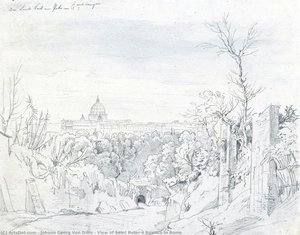
- View of Saint Peter’s Basilica in Rome
- Nemi
- Grottaferrata near Rome
- Place Of Birth: Gmain near Dorfen, Germany