 Preview
 Send
Send Share
Share
 Details

 Download
 Similars
 X-Ray
X-Ray Diaporama
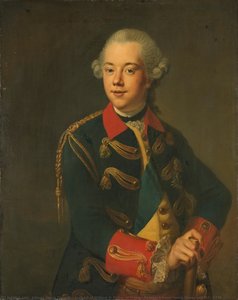
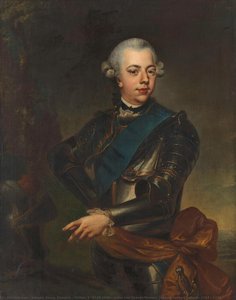
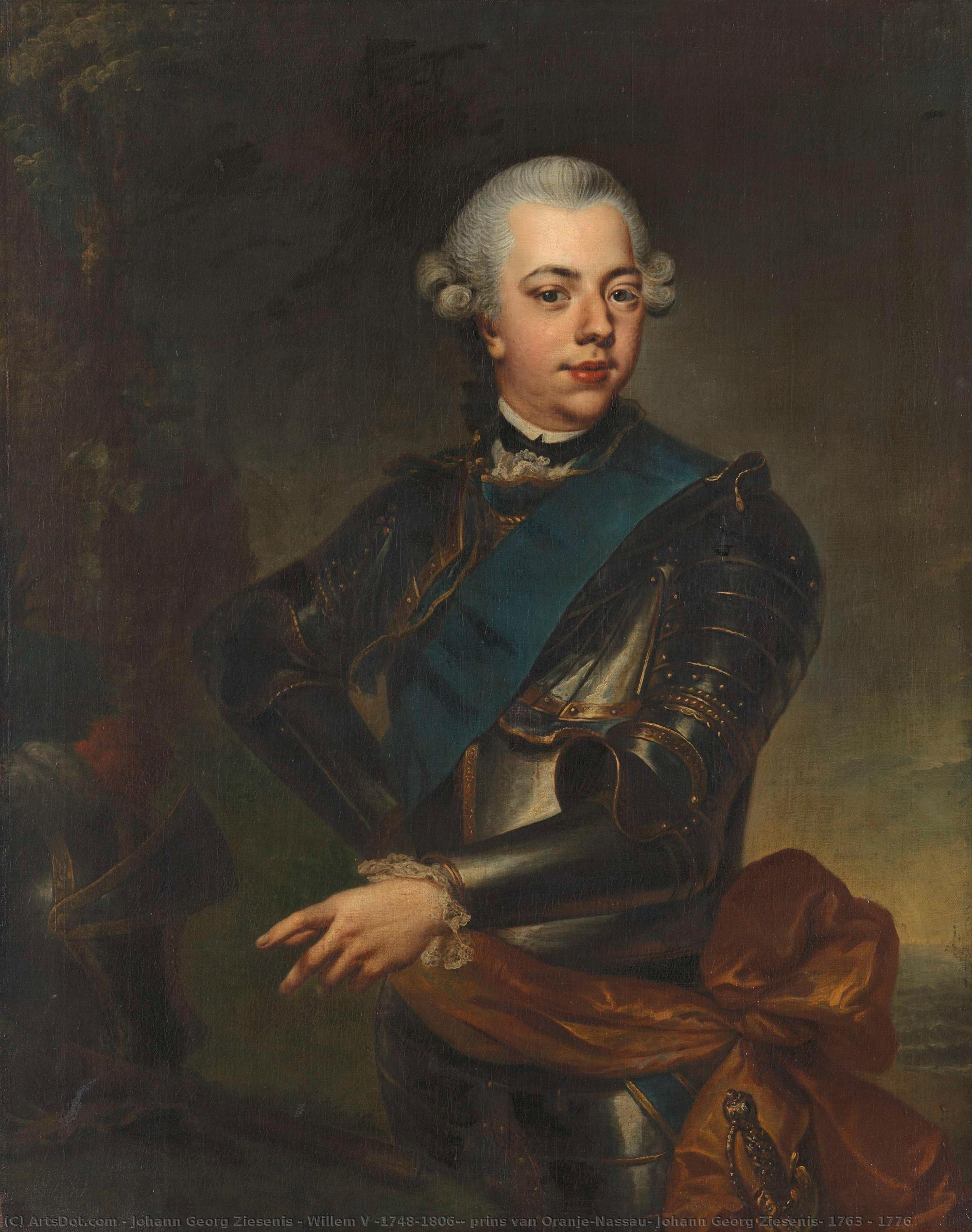
Willem V (1748-1806), prins van Oranje-Nassau, Johann Georg Ziesenis, 1763 - 1776
 1776
1776 113.0 x 91.0 cm
 Read More
Giclée / Art Print
Museum-quality giclée or canvas print with fast production and flexible finish options. ( Buy Hand Made Painting Buy Image)




































Pick from our preset sizes that match the artwork's original proportions.

You may enter your own dimensions to fit a specific frame or space. If your selected size does not match the original image's proportions, we will either crop the artwork or extend the image with a mirrored or solid-fill edge. A digital mockup will be sent for your approval before production begins.
Please note that the on-screen preview does not reflect the actual cropping or extension. Only the mockup will accurately show the final composition.
While custom sizes are available, we recommend selecting a dimension from the predefined list to preserve the original proportions.
Worldwide Delivery () in 2 weeks instead of standard 4/5 weeks. (6 September)

Free Worldwide Express Shipping

High-Quality Linen Canvas

Full Shipping Insurance

Customs Tax Refund Guarantee

True Color Matching Guarantee

100-Day Return Policy (Defects Only)

100% Money-Back Guarantee

Bulk Discount Offer
 Glass option is only available in size under 110 CM

Willem V (1748-1806), prins van Oranje-Nassau, Johann Georg Ziesenis, 1763 - 1776
Giclée / Art Print
Reproduction Size
-


Total Price
$ 63
Related Artworks






Artist Biography
A Life Painted in Courts: Johann Georg Ziesenis and the Rococo Portrait
Johann Georg Ziesenis, a name perhaps less immediately recognizable than some of his contemporaries, nevertheless occupies a significant place within the landscape of 18th-century portraiture. Born in Copenhagen in 1716, Ziesenis was steeped in an artistic atmosphere from youth; his father, Johan Jürgen Ziesenis, himself a painter granted Danish citizenship in 1709, provided initial training and instilled a foundational understanding of the craft. This early exposure proved pivotal, shaping not only Johann’s technical skills but also his trajectory toward capturing the likenesses of nobility and royalty. While his father's work included religious scenes like the *Baptism of Christ* for Copenhagen’s Garrison Church, Johann would ultimately find his niche in the more secular realm of portraiture, a field that flourished during the Rococo period. His formative years weren’t confined to Denmark; he traveled to Düsseldorf, where he honed his abilities and began to establish a reputation through portraits of prominent families.From Hanoverian Court to Continental Recognition
Ziesenis's career truly blossomed with his appointment as court painter in Hanover in 1764. This position afforded him access to an elite clientele, allowing him to refine his style and develop a distinctive approach to portraiture. The patronage extended beyond Hanover; in 1766, he received a grant of 400 kroner from the Danish king specifically for travel expenses – a testament to his growing reputation and the desire to secure his services. This period saw Ziesenis broaden his artistic horizons, venturing into the Netherlands in 1768 where he painted portraits of William V, Prince of Orange, along with his wife and family. His talent wasn’t limited to Dutch courts; he also served the Brunswick and Berlin courts, demonstrating a versatility that solidified his position as a sought-after artist across multiple European centers. Notably, Ziesenis came from an artistic family – his daughters, Maria Elisabeth Lampe and Margaretha Ziesenis, were accomplished painters in their own right, further cementing the family’s legacy within the art world.A Rococo Master: Style and Technique
Ziesenis's work is firmly rooted in the Rococo aesthetic – a style characterized by elegance, lightness, and an emphasis on decorative detail. His portraits are not merely representations of physical likeness; they are carefully constructed statements about status, taste, and personality. He possessed a remarkable ability to capture the textures of fabrics, the sheen of jewels, and the subtle nuances of expression. While his earlier works may have exhibited a more formal approach, his later paintings demonstrate a growing fluidity and psychological depth. Ziesenis’s technique involved meticulous layering of paint, creating a luminous quality that enhanced the sitter's features. He was adept at using light to sculpt form and create a sense of atmosphere, often employing soft, diffused illumination to flatter his subjects. His compositions typically feature elegant poses and refined backgrounds, reflecting the aristocratic sensibilities of his patrons.A Legacy in Brushstrokes: Major Works and Lasting Influence
Throughout his life, Ziesenis created approximately 260 portraits, sketches, and paintings – a substantial body of work that provides valuable insight into the lives of European nobility during the latter half of the 18th century. Among his most celebrated pieces are the *Portrait of Crown Prince Frederik* (now housed at Fredensborg Palace), the portrait of Frederick II, and the striking likeness of Charlotte of Mecklenburg-Strelitz, the future wife of King George III of Great Britain. Even in his later years, Ziesenis continued to produce compelling work; in 1764, while already in his sixties, he painted a portrait of Hans Egede, showcasing his enduring skill and dedication to his craft. His influence extended beyond his immediate circle of patrons and students. He helped shape the aesthetic sensibilities of the courts he served, contributing to the development of a refined and elegant style of portraiture that would continue to be emulated for generations. While perhaps not as widely celebrated as some of his contemporaries, Johann Georg Ziesenis remains an important figure in the history of European art – a master portraitist whose work continues to captivate and inspire.Selected Portraits
- Portrait of Crown Prince Frederik (1767): Currently displayed at Fredensborg Palace, this painting exemplifies Ziesenis’s ability to capture both the regal bearing and individual character of his sitter.
- Portrait of Frederick II: A compelling representation of the Prussian monarch, showcasing Ziesenis's skill in depicting power and authority.
- Portrait of Charlotte of Mecklenburg-Strelitz: This portrait captures the future Queen consort with grace and elegance, offering a glimpse into her personality before ascending to the throne.
- Portrait of Hans Egede (1764): Painted later in life, this work demonstrates Ziesenis’s enduring talent and dedication to his craft.

Quick Facts
- Artistic Movement Or Style: Rococo
- Artists Who Influenced This Artist: ['Johann Jürgen Ziesenis']
- Date Of Birth: 1716
- Date Of Death: 4 March 1776
- Full Name: Johann Georg Ziesenis
- Nationality: German-Danish
- Notable Artworks:
- Portrait of Crown Prince Frederik
- Portrait of Frederick II
- Portrait of Charlotte of Mecklenburg-Strelitz
- Place Of Birth: Copenhagen, Denmark