

 Preview
 Send
Send Share
Share
 Details

 Download
 Similars
 X-Ray
X-Ray Diaporama
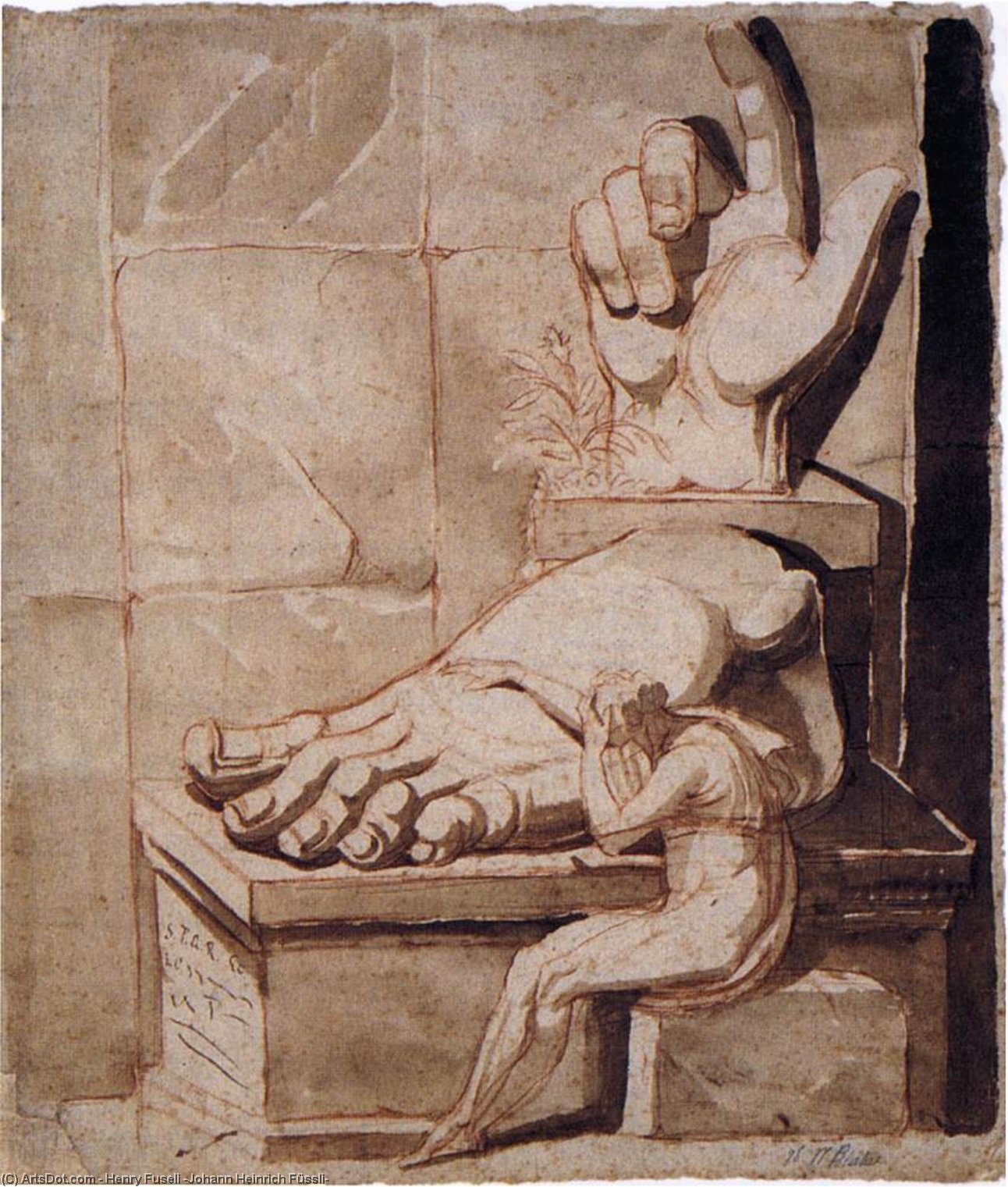
The Artist Moved by the Grandeur of Antique Fragments
 Acrylic On Canvas
- WallArt
- Romanticism
 1778
1778 415.0 x 355.0 cm
 Kunsthaus Zürich
 Read More
Purchase a high-resolution, enhanced digital image, far superior to the online preview.
Each file is meticulously prepared by our in-house specialists using advanced tools and expert manual retouching. We ensure every image has exceptional clarity, precise color accuracy, and fine detail.
The final file is delivered via email within 72 hours, optimized for immediate use in professional, editorial, and print environments. This is the same quality trusted by top-tier design studios, publishers, and galleries.
Digital Image
Download a high-resolution file for personal display, printing, and creative projects. ( Buy Print Buy Hand Made Painting)
Included in Every Digital Image Order
Expert Digital Delivery, Guaranteed
When you choose ArtsDot.com, you're not just getting an image - you're receiving a professionally enhanced digital artwork, crafted with precision and backed by a satisfaction guarantee. Here's everything that comes with your order, automatically:

Fast Email Delivery
Your high-resolution digital image file will be emailed to you within 72 hours of ordering - ready for immediate use.

AI-Enhanced Digital File
Your artwork is professionally optimized using advanced AI tools and manual editing, ensuring maximum detail, clarity, and color accuracy.

Free Lifetime Re-Delivery
Accidentally deleted or lost your file? No worries - we'll resend it to you anytime, free of charge.

No Import Fees - Ever
Enjoy your artwork instantly with zero customs, duties, or delivery fees - digital downloads are always tax-free.

Color Accuracy Guarantee
We ensure your digital image reflects the original colors as closely as possible using professional tools and color management.

60-Day Satisfaction Guarantee
If you're not satisfied with your digital image, we'll revise it or refund 100% within 60 days - no questions asked.

100% Money-Back Guarantee
Not satisfied? Get a full refund within 60 days of receiving your digital file - no questions asked.

Bulk Order Discounts
Buy 3 images, save 10% - Buy 5, save 15% - Buy 10+, save 20%. Great for creative projects, galleries, and agencies.
Collectible Description
The Artist Moved by Antique Fragments
Johann Heinrich Fuseli’s “The Artist Moved by Antique Fragments,” completed in 1778-79, stands as a haunting testament to Romanticism's preoccupation with mortality and the sublime beauty found within decay. Executed in red chalk on sepia wash—a technique favored by Fuseli—the drawing captures an artist grappling with the overwhelming grandeur of ruined monuments, specifically those of the Colossus of Constantine at Rome’s Capitoline Museums.
Fuseli's artistic vision was profoundly influenced by his time studying classical art in Italy and his fascination with the burgeoning interest in ruins as symbols of vanished civilizations. Unlike earlier depictions that idealized antiquity, Fuseli presented a scene imbued with palpable melancholy—a feeling not merely of awe but of mourning for a profound loss.
The composition itself is strikingly economical, prioritizing clarity of detail over conventional perspective. Fuseli focuses intently on the torso and limbs of his figure, creating an intimate tableau that underscores vulnerability. Strong hatching and cross-hatching dominate the drawing’s tonal palette, skillfully conveying volume and texture—particularly in the musculature and drapery—mimicking the rough surface of stone and the folds of fabric.
Beyond its technical prowess, “The Artist Moved by Antique Fragments” resonates with symbolic depth. The artist's posture embodies a sense of insignificance before the immensity of time and history; he is dwarfed by the fragmented remnants of grandeur past. Fuseli’s masterful use of light—casting shadows that accentuate form—further enhances the artwork’s emotional impact, evoking contemplation and conveying the bittersweet beauty inherent in accepting inevitable decline.
Fuseli's preoccupation with psychological states aligns seamlessly with Romantic artistic conventions. As Linda Nochlin eloquently observed, “The Artist Moved by Antique Fragments” portrays not merely ‘overwhelmed’ but … in mourning, mourning a terrible loss ... ten years before the outbreak of the French Revolution.... Out of this loss is constructed the Modern itself.” The drawing serves as a poignant meditation on the human condition—a reminder that even the most magnificent creations are destined to crumble into dust.
This artwork exemplifies Fuseli’s signature style, blending realism with an expressive sensibility. Its enduring appeal lies in its ability to provoke reflection on themes of beauty, loss, and the inescapable passage of time—qualities that continue to captivate audiences today.
Related Artworks
Artist Biography
early life and education
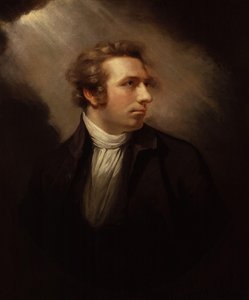
johann heinrich füssli, a swiss painter, draughtsman, and writer on art, was born on february 7, 1741, in zürich, switzerland. he was the second of 18 children to johann caspar füssli, a portrait painter. füssli received a classical education at the collegium carolinum in zürich.artistic career
füssli's artistic career began with his move to london in 1764, where he met sir joshua reynolds, who encouraged him to devote himself to painting. he then spent eight years in italy, studying antique art and the works of titian, caravaggio, and mannerists.supernatural experiences
füssli's paintings often depicted supernatural experiences, such as the nightmare, which showcased his unique style. he also created a series of paintings based on john milton's works, with the intention of forming a milton gallery comparable to boydell's shakespeare gallery.notable works and associations
- titania, bottom and the fairies, a painting showcasing füssli's use of fairy-tale scenes from shakespeare as motifs.
- association with the royal academy, where he held the posts of professor of painting and keeper.
- influence on younger british artists, including william blake.
museums and collections
füssli's works can be found in various museums, including:- kunsthaus zürich, switzerland, which features a wide range of füssli's paintings, including the nightmare.
- albertina, vienna, austria, which houses füssli's watercolor piece, teiresias foretells the future to odysseus.
legacy
füssli's style had a considerable influence on many younger british artists, and his supernatural themes continue to fascinate art lovers. his legacy can be explored further through his numerous works, which can be found in various museums and collections. recommended reading:- titania, bottom and the fairies by johann heinrich füssli
- henry fuseli - wikipedia
johann heinrich füssli
1741 - 1825 , Switzerland
Quick Facts
- Artistic Movement Or Style: Romanticism, Neoclassicism
- Artists Or Movements Influenced By This Artist: ['William Blake']
- Artists Who Influenced This Artist:
- Titian
- Caravaggio
- Date Of Birth: Feb 7, 1741
- Date Of Death: 1825
- Full Name: Johann Heinrich Füssli
- Nationality: Swiss
- Notable Artworks:
- The Nightmare
- Titania, Bottom & Fairies
- Place Of Birth: Zurich, Switzerland

